Focused arrival windows
Useful updates and clear arrival timing.
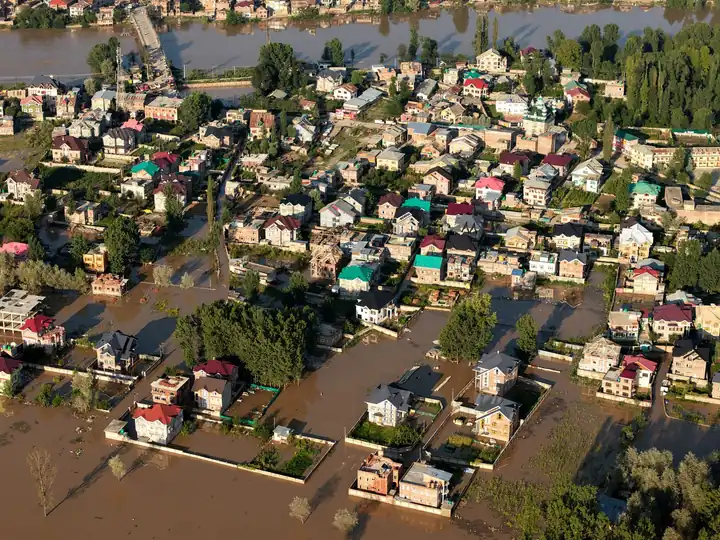
Emergency Water Extraction in Mill Village means getting standing water out of your home before it wicks into original heart-pine floors or saturates a crawl space. We run truck-mounted extractors and portable units through the Mill Village Historic District and Rocky Mount Mills area, day or night. One call, and we're rolling toward your address with the drying equipment already loaded.
Useful updates and clear arrival timing.
Review the approach and price before deciding.
Equipped vehicles and respectful cleanup.
Neighbors serving neighbors with follow-through.
Emergency Water Extraction in Mill Village is a category of disaster response that removes standing water and saturated moisture from homes and businesses before structural damage spreads. Water Recovery Network has worked the 27801 and 27804 ZIP codes long enough to know which blocks flood first when the Tar River rises and which historic mill homes still run original galvanized supply lines. We serve the Mill Village Historic District, Mill Village North, Mill Village South, and the renovated lofts around Rocky Mount Mills. Whether it's a pipe burst behind a plaster wall or a flooded basement after a summer storm, our IICRC WRT and ASD technicians handle the extraction, drying, and documentation. We're licensed, insured, and we work directly with your insurance adjuster using Xactimate estimates.
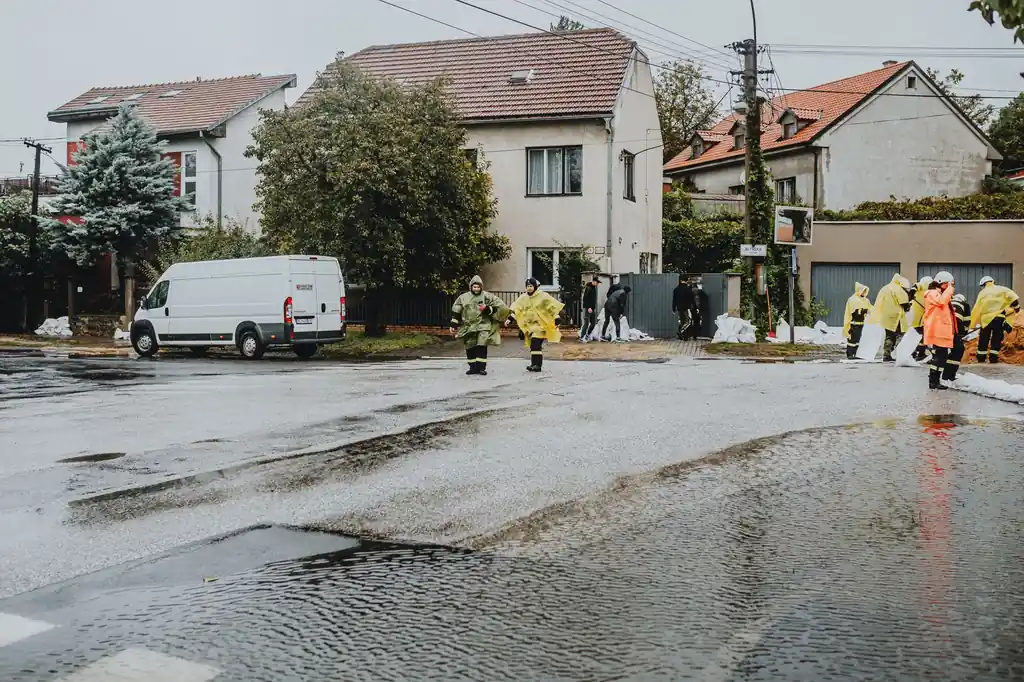
Mill Village calls us for everything from a toilet overflow in a renovated loft to a flooded basement in an original mill home. If you need emergency water removal near Mill Village open now, we answer the phone 24/7 and dispatch from Rocky Mount. Our trucks carry truck-mounted water extractors, portable water extraction units, submersible pumps, and floor drying mat systems so we can start pulling water the moment we arrive.
When water is rising in your Mill Village home, we pull up with a truck-mounted water extractor and start removing it immediately. We handle everything from a pipe burst in a Mill Village North bungalow to storm water in a Rocky Mount Mills loft. Fast extraction is the difference between a dry floor and a mold problem.
View service →02Water doesn't wait for business hours, and neither do we. Our 24/7 crew covers Mill Village South, the historic district, and every street in between. Call at 2 a.m. and a technician answers, walks you through shutting off the water, and rolls a truck your way with dehumidifiers and air movers loaded.
View service →03Basements in Mill Village's older homes take on water fast when the clay soil can't drain. We use submersible pumps and wet/dry vacuums to clear standing water, then set up drying mats and dehumidifiers to pull moisture out of concrete and block walls. We also check your sump pump and discharge line before we leave.
View service →04If you're searching for emergency water removal near Mill Village open now, we're it. We remove water from carpets, hardwood, tile, and concrete using RIDGID and Shop-Vac extractors backed by truck-mounted units. Every job starts with a moisture meter and thermal imaging camera scan so we know exactly where the water went.
View service →05Extraction is only half the job. We follow every Mill Village water removal with a full drying setup: Dri-Eaz and Phoenix air movers, desiccant dehumidifiers, and daily moisture readings. We don't pack up until your floors, walls, and subfloor hit dry standard per the ANSI/IICRC S500 standard.
View service →06After the water is out, we clean and treat affected areas with antimicrobial solution to stop mold before it starts. In Mill Village's older homes, that means treating behind baseboards, inside wall cavities, and under vanities where moisture hides. We bag and haul debris, then leave the space clean and dry.
View service →07Standing water in a Mill Village home is a ticking clock. We pump, vacuum, and extract it fast, then check the subfloor and joists for saturation. Whether it's an inch in a crawl space or two inches across a concrete slab, we have the pumps and hoses to clear it same-day.
View service →08When a storm pushes the Tar River over its banks or a supply line lets go in a Mill Village Historic District home, severe damage needs more than a shop vac. We handle structural drying, remove unsalvageable materials, and coordinate rebuilds. Our IICRC ASD technicians document everything for your insurance claim.
View service →09Most of our Mill Village calls are residential. We extract water from bungalows, two-story mill homes, and renovated lofts around Rocky Mount Mills. We work around your furniture, protect original hardwood where we can, and keep you informed at every step. Same-day service is standard, not an upsell.
View service →When you call us for Emergency Water Extraction Mill Village NC, we start by asking the right questions: where is the water, is it clean or contaminated, and do you know where the shutoff is? That tells us what equipment to load. From our Rocky Mount base, we can reach most Mill Village addresses in 30 to 60 minutes. We navigate the narrow streets of the Mill Village Historic District and the river-adjacent blocks near the Tar River Trail with trucks stocked for any scenario. Once on site, we shut off the water if you haven't, then run a moisture meter and thermal imaging camera scan to map the damage. Extraction comes next, using a truck-mounted water extractor for large volumes or a portable water extraction unit for tight spaces like crawl spaces and attics. We follow the ANSI/IICRC S500 standard for drying, which means we don't guess. We measure. If you need same-day water extraction Mill Village NC, call before noon and we'll usually have equipment running by mid-afternoon.
Original galvanized or cast-iron lines in Mill Village Historic District homes fail without warning, often inside walls. Water can run for hours before a homeowner notices a stain or hears dripping. We use thermal imaging cameras and moisture meters to trace hidden leaks behind plaster and drywall. Once we find the source, we extract the water, dry the wall cavity, and document the damage for your insurance claim.
Mill Village sits close to the Tar River, so heavy rain can push water into low-lying streets and basements. Storm flooding often carries silt and debris that standard extractors can't handle alone. We keep submersible pumps and heavy-duty extraction hoses on every truck. After pumping standing water, we clean affected surfaces with antimicrobial solution and set up desiccant dehumidifiers to dry the space.
Nash County's clay soil doesn't drain well, so water pools against foundations and in crawl spaces after storms. That standing water can seep through block walls and keep basements damp for weeks. We extract standing water from crawl spaces and basements, then check exterior drainage. We can install moisture barriers and recommend grading fixes to keep water away from your foundation in the future.
This standard sets the drying goals we follow on every Mill Village job. It tells us how many air movers and dehumidifiers to use based on room size and water category, so we dry your home correctly the first time.
For repairs beyond drying, North Carolina requires a licensed general contractor. We hold the proper licensing to handle structural repairs and coordinate with your insurance company on rebuilds.
Many Mill Village homes were built before 1978, which means lead paint may be present. Our EPA Lead-Safe certification means we follow safe work practices when disturbing painted surfaces during water damage repairs.
Mill Village has its own set of water damage challenges. The historic housing stock, river proximity, and clay soil all play a role. Here are the problems we see most often and how we handle them. If you're dealing with any of these, call us for emergency water removal Mill Village.
Many Mill Village Historic District homes still have original galvanized steel or cast-iron plumbing. These lines corrode from the inside and can burst without warning, especially during winter freezes. We locate the break using thermal imaging, extract the water, and dry the affected walls and floors. We also advise on pipe insulation and can recommend a licensed plumber for repairs.
Mill Village South sits close to the Tar River, and the clay soil doesn't drain well. During heavy rain, water seeps into basements through block walls and floors, sometimes several inches deep. We pump out standing water with submersible pumps, extract moisture from walls and floors, and set up desiccant dehumidifiers. We also check your sump pump and recommend a moisture barrier if needed.
Crawl spaces in Mill Village's older homes are often vented and unsealed, letting in groundwater and humid air. Over time, this can rot floor joists and insulation, leading to structural problems. We remove standing water, extract moisture from wood and insulation, and install a drying system. We can also encapsulate the crawl space with a moisture barrier to prevent future intrusion.
The sewer lines in parts of Mill Village are as old as the homes themselves. Tree roots and years of buildup can cause blockages that lead to sewage backing up into basements and ground-floor drains. We treat sewage backups as a biohazard. We extract the water, remove contaminated materials, and clean the area with antimicrobial solution following IICRC AMRT protocols. We also document everything for your insurance claim.

Emergency Water Extraction in Mill Village typically costs between $1,200 and $3,500 for a standard residential job, depending on how much water there is and how far it spread. Typical 2026 pricing in this area reflects the age of the housing stock and the extra care needed for historic homes. Small jobs, like a toilet overflow in a single bathroom, might run $800 to $1,500. Larger jobs, like a flooded basement or a pipe burst that soaked multiple rooms, can run $3,000 to $6,000 or more. We provide a written estimate before we start, and we work directly with your insurance company to document the damage. If you need affordable Emergency Water Extraction in Mill Village, North Carolina, call us for a free estimate.
Clean water from a supply line costs less to extract than contaminated water from a sewage backup. Contaminated water requires special handling, antimicrobial treatment, and disposal of affected materials, which adds to the cost.
The more area the water reached, the more extraction and drying equipment we need. A single room might need two air movers and one dehumidifier, while a whole-house flood could require a dozen units running for days.
Crawl spaces, attics, and homes with lots of furniture or stored items take longer to extract and dry. In Mill Village's older homes, narrow doorways and original trim can slow us down, so we plan for that in the estimate.
Mill Village's layout follows the old mill footprint, with streets that curve and dead-end in ways GPS doesn't always handle well. We use local landmarks to orient our crews and find addresses fast. Rocky Mount Mills is our primary reference point for the northern section, while Mill Village Park helps us locate the central residential blocks. The Tar River Trail marks the southern edge, and the Rocky Mount Farmers Market is a familiar anchor near the commercial strip. Knowing these landmarks saves us time when every minute counts.
This historic mill complex is a major orientation point for the northern part of Mill Village. We use it to navigate to addresses along the river side and the surrounding residential streets.
Mill Village Park sits in the middle of the neighborhood, making it a useful reference for locating nearby homes. When dispatch gives directions, this park is often the starting point.
The trail runs along the river and marks the southern boundary of Mill Village. We use it to find addresses in the low-lying areas that flood most often.
This market is a well-known spot near the commercial section of Mill Village. It helps us locate nearby businesses and the surrounding streets when we're dispatched to commercial water extraction calls.
This renovated mill area now houses offices, event spaces, and small businesses. It's a mix of historic architecture and modern tenants, which means water damage can affect both old structures and new finishes.
A small stretch of local shops and services runs along one of the main roads through Mill Village. These businesses are often family-owned and need fast water removal to avoid closing for repairs.
This highway runs near Mill Village and is our primary route from the Rocky Mount base. It gives us quick access to the neighborhood from the east and west.
NC-97 connects Mill Village to other parts of Nash County. We use it when approaching from the north or when routing around traffic on the main corridors.
We cover every corner of Mill Village, from the historic district to the newer sections near Rocky Mount Mills. Our crews know the streets, the housing stock, and the common water problems in each area. If you're in 27801 or 27804, we're your local water extraction team.
This is the heart of old mill housing, with original heart-pine floors and plumbing that's seen better days. Water damage here often involves hidden leaks behind plaster walls and saturated crawl spaces. We handle these homes with extra care to preserve original features. We can reach most Historic District addresses in 30 to 45 minutes from our Rocky Mount base.
Mill Village North has a mix of renovated bungalows and original mill homes. Renovations often mean new PEX plumbing, but older sections still have cast-iron drains that can back up. We see a lot of appliance leaks and toilet overflows here. North Mill Village is a straight shot up the main road, usually 25 to 40 minutes depending on traffic.
The southern end of Mill Village sits closer to the Tar River, so storm flooding and high water tables are bigger concerns. Basements and crawl spaces here flood more often. We keep pumps and drying equipment ready for these calls. We route through South Rocky Mount to reach Mill Village South, typically arriving within 30 to 50 minutes.
The renovated mill lofts and surrounding properties have modern finishes but share old infrastructure. A pipe burst in one unit can affect neighbors. We work quickly to contain water and coordinate with building management when needed. Rocky Mount Mills is just off the main corridor, so we can usually be on site in 20 to 35 minutes.
These are real scenarios we've handled in Mill Village. They show the range of water damage we see and how we solve it. Every job is different, but the goal is always the same: get the water out, dry the structure, and help you get back to normal.
A pipe burst under the kitchen sink in a Mill Village Historic District home, sending water across original hardwood floors and into the crawl space below. We shut off the water, extracted standing water from the kitchen and crawl space using a truck-mounted extractor and submersible pump. Then we set up floor drying mats on the hardwood and desiccant dehumidifiers in the crawl space. We monitored moisture levels daily for four days. The hardwood dried without cupping, and the crawl space returned to normal moisture levels. The homeowner avoided a full floor replacement and mold remediation.
A sump pump failed during a heavy spring storm, flooding the basement of a Mill Village South home with two inches of water. We arrived within 45 minutes, pumped out the standing water, and extracted moisture from the concrete walls and floor. We set up air movers and a commercial dehumidifier, then checked the sump pump and discharge line. We recommended a replacement pump and helped the homeowner file the insurance claim. The basement was dry in three days. The homeowner replaced the sump pump, and we installed a moisture barrier to prevent future seepage.
A toilet overflow in a renovated loft at Rocky Mount Mills soaked the bathroom floor and seeped into the hallway carpet. We extracted water from the tile and carpet using a portable extraction unit and wet/dry vacuum. We removed the saturated carpet pad, treated the area with antimicrobial solution, and set up air movers to dry the subfloor. We also checked the unit below for leaks. The bathroom and hallway were dry within 48 hours. The carpet was saved, and the building manager scheduled a plumbing inspection for the whole stack.
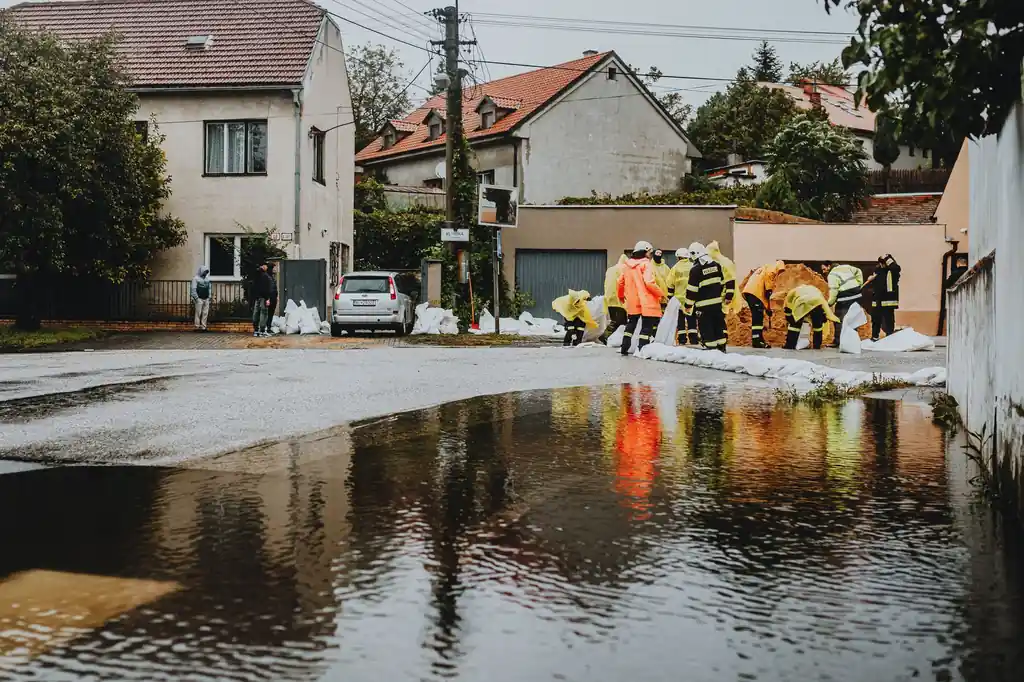
Our water heater let go on a Sunday night and flooded the utility room. I called Water Recovery Network and they had a truck at our house in Mill Village North in about 40 minutes. They extracted the water, set up fans and a dehumidifier, and checked the walls for moisture. The bill was fair and they worked with our insurance. Highly recommend.
After a big storm, our basement in Mill Village South had standing water. These guys pumped it out and dried everything fast. They were professional, explained what they were doing, and didn't try to sell us anything we didn't need. The basement is dry and we haven't had a problem since.
A pipe burst behind the wall in our old mill home and we had no idea until the floor started buckling. Water Recovery Network found the leak with a thermal camera, extracted the water, and dried the hardwood without ruining it. They saved us thousands in floor replacement. Great local company.
Mill Village's climate means water damage can happen any time of year, but each season brings its own risks. Here's what to watch for and how to prepare. If you need emergency water extraction near Mill Village, we're available 24/7.
Spring brings heavy rain and the threat of river flooding. Mill Village's clay soil gets saturated, and basements and crawl spaces are at risk. We see a spike in flooded basement calls from March through May.
Summer storms can dump inches of rain in a short time, overwhelming drainage systems. Humidity also stays high, which slows drying and increases mold risk. HVAC condensate leaks are common in the summer heat.
Fall is hurricane season in North Carolina, and Mill Village can see heavy rain and wind. Roof leaks from storm damage often show up in the fall. Leaves clog gutters and cause water to back up under eaves.
Freezing temperatures are the biggest winter threat. Pipes in older Mill Village homes, especially those in unheated crawl spaces or exterior walls, can freeze and burst. A burst pipe can release hundreds of gallons before you find the shutoff.
Mill Village is part of a larger service area that includes Rocky Mount and the surrounding communities. We dispatch from our Rocky Mount base, so we can reach most nearby cities within an hour. If you're in one of these areas and need water extraction, we've got you covered.

Downtown Rocky Mount is just a few miles from Mill Village. We frequently serve customers in both areas on the same day.
Local coverage and details
West Haven is a short drive from Mill Village. We often route through West Haven when heading to calls on the western side of Rocky Mount.
Local coverage and details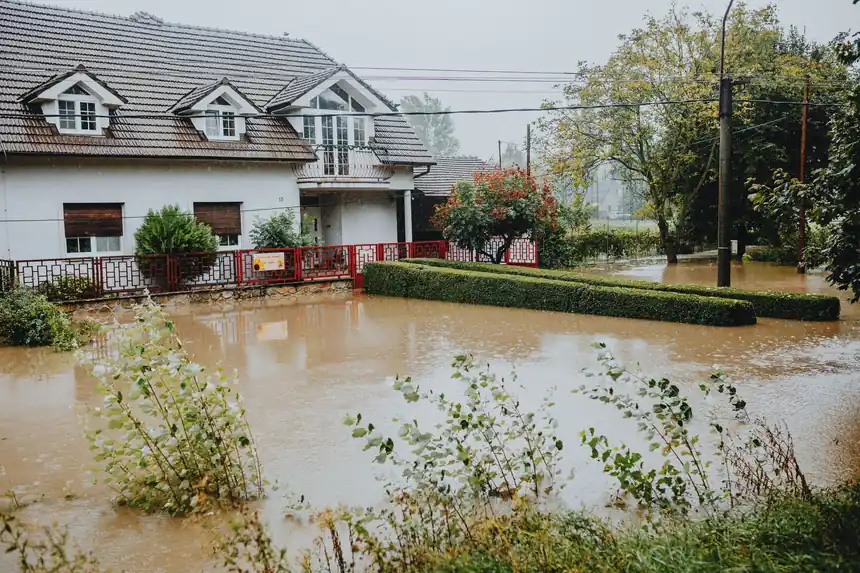
Northgreen is north of Mill Village and shares similar housing stock. We serve Northgreen customers from the same dispatch point.
Local coverage and details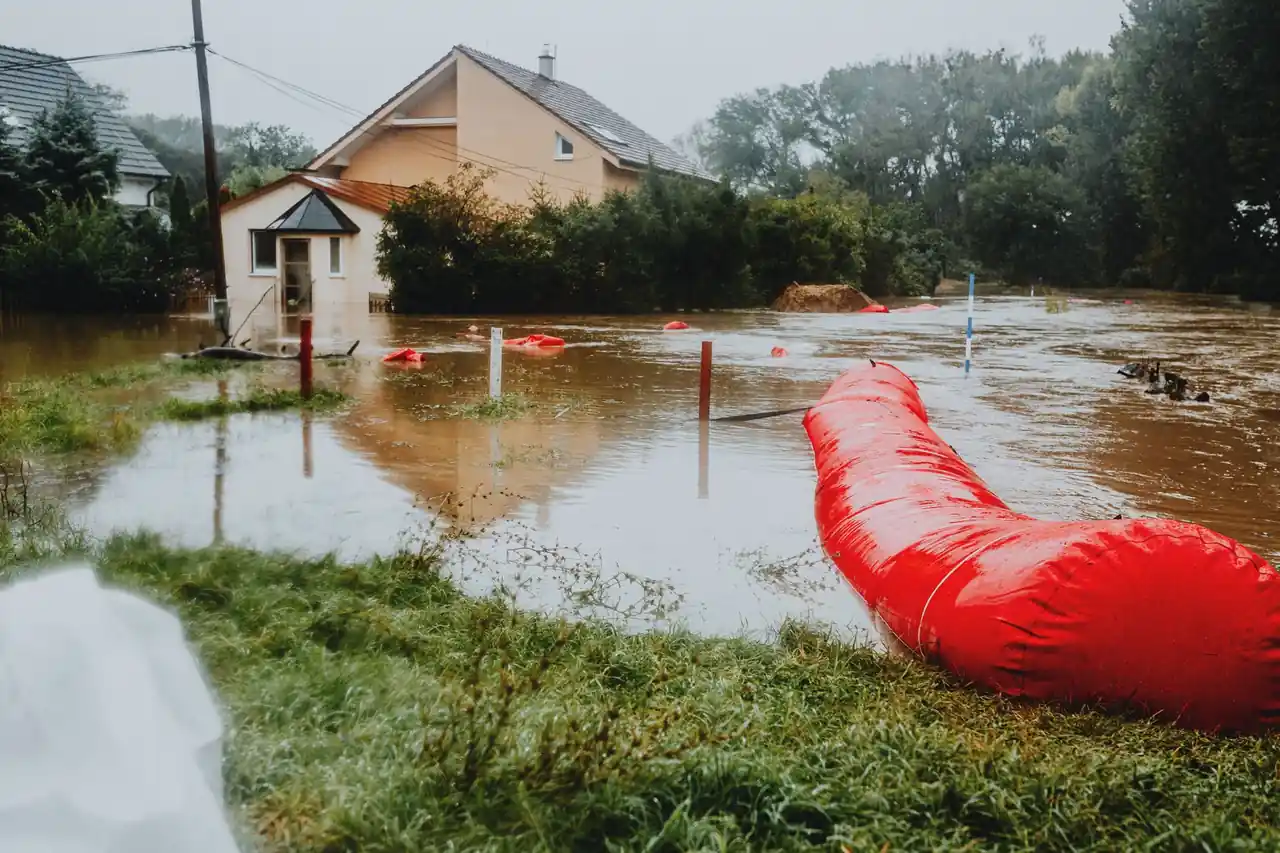
Englewood is east of Mill Village, about 15 minutes away. We cover Englewood for both residential and commercial water extraction.
Local coverage and detailsNot all water extraction companies are the same. Before you hire someone to work in your Mill Village home, ask these questions. The answers will tell you whether you're dealing with a pro or someone who might make the damage worse.
A legitimate company carries a North Carolina General Contractor License and liability insurance. If they can't provide proof, you're taking a risk. If something goes wrong, you could be on the hook for repairs.
IICRC WRT and ASD certifications mean the technicians have been trained in water restoration and structural drying. That training matters in older Mill Village homes where drying is more complex than in new construction.
A good company uses moisture meters and hygrometers to measure drying progress. If they just look at it and say it's dry, they're guessing. Guessing leads to mold and callbacks.
Most water damage claims go through insurance. A company that documents the damage with photos, moisture readings, and Xactimate estimates makes the claims process smoother and helps you get fair reimbursement.
Water damage gets worse by the hour. A company that can't give you a clear arrival window or says they'll be there 'sometime tomorrow' isn't equipped for emergencies. We aim for 60 minutes or less.
state-licensed general contractor
state-licensed plumbing contractor
IICRC
IICRC
IICRC
EPA
OSHA
$2M general liability and workers' compensation
member
member
Most residential jobs in Mill Village run $1,200 to $3,500 in 2026. Small jobs like a toilet overflow might be $800 to $1,500. Large floods or sewage backups can exceed $6,000. We give you a written estimate before we start and work with your insurance to cover the cost.
The best company is the one that answers the phone at 2 a.m., arrives when they say they will, and has the certifications to dry your home correctly. We're IICRC certified, licensed in North Carolina, and we live and work in the Rocky Mount area. Ask us for references from Mill Village customers.
Yes. We answer calls 24 hours a day, 7 days a week, including holidays. For emergency water removal near Mill Village open now, call +12523856067. We dispatch from Rocky Mount and can usually reach Mill Village within 60 minutes.
Our target response time for Mill Village is 60 minutes or less. In good conditions, we're often there in 30 to 45 minutes. During major storms, we may be busier, but we'll give you an honest arrival window and keep you updated.
Yes. We work in the Mill Village Historic District regularly and know how to dry original hardwood, plaster walls, and crawl spaces without causing more damage. We use floor drying mats and controlled airflow to protect historic features whenever possible.
Not seeing your question? Our local team can help you understand urgency, scheduling and what to expect.
Ask the local teamOur line is answered 24/7, and we dispatch crews day and night across Rocky Mount and Nash County. Call and we will ask a few questions about the source and the rooms affected, then give you a real arrival window. If you are not sure whether you need extraction, call anyway - we will tell you straight.