Focused arrival windows
Useful updates and clear arrival timing.
When groundwater pushes through your footer drains or a supply line lets go under the slab, Foundation Water Extraction Rocky Mount NC is the only fix that stops structural rot. We pull standing water from crawl spaces, block foundations, and basement slabs across Nash County, then dry the assembly to IICRC S500 standards. If you are searching for foundation water removal in Rocky Mount, call +1 252-385-6067 and we will have a truck at your door today.
Useful updates and clear arrival timing.
Review the approach and price before deciding.
Equipped vehicles and respectful cleanup.
Neighbors serving neighbors with follow-through.
Every foundation job includes the full extraction and drying scope, not a partial service that leaves you calling someone else next week. Here is what is covered on a standard residential call. If your job needs something beyond this list, we tell you before we start.
We walk the foundation with a moisture meter, thermal imaging camera, and hygrometer to map every wet area, including hidden wall water damage behind finished surfaces. You get a clear picture of the scope before any equipment is set.
Submersible pumps handle deep standing water, and a truck-mounted water extractor pulls the shallow water from the slab, block, and soil. We use a weighted extraction tool on finished concrete to pull water out of the pores.
After extraction we apply an antimicrobial solution to the affected block, joists, and soil. This is standard on any foundation that has been wet more than 24 hours, and it is required on Category 3 water from sewage backup.
We position air movers and desiccant dehumidifiers to dry the foundation assembly, including a floor drying mat system on finished slabs. Equipment stays until the moisture meter confirms the dry standard.
A technician checks the hygrometer and moisture meter twice a day and adjusts equipment placement. You get a written moisture log at the end, which is what your insurance adjuster wants to see.
We check the sump pump, footer drain, grading, and downspouts before we leave. If we find the source, we tell you plainly what to repair so the foundation does not flood again next storm.
Share what is happening and receive a clear next step from the local team.
Foundation Water Extraction Rocky Mount NC is the controlled removal of trapped water from the structural elements that hold your house up: the footing drains, the block or poured concrete walls, the slab, and the subfloor cavity above them. Water does not sit still in a foundation. It wicks upward through porous concrete, sideways through mortar joints, and downward into the crawl space soil, which is why a small seep behind a finished wall can soak a 12-foot section of rim joist in under 48 hours. We use truck-mounted water extractors and submersible pumps to pull the bulk of it out, then moisture meters and thermal imaging cameras to find what the eye cannot see.
Most Rocky Mount calls come from three patterns: a sump pump failure during a spring downpour, a pipe burst behind a laundry wall, or a flooded basement after the Tar River backs up. Homes in the 27801 and 27804 ZIP codes sit on some of the heaviest clay soil in Nash County, and that clay holds water against the foundation long after the rain stops. If you need water removal from foundation Rocky Mount NC properties on a same-day basis, we run 24/7 and carry enough desiccant dehumidifiers to dry a full basement without renting a second unit.
You call +1 252-385-6067 and describe what you are seeing: standing water, a damp smell, a wet wall, or a sump alarm. We ask three questions about the source, the square footage, and whether the power is safe to use. A crew is dispatched with a truck-mounted water extractor and portable units sized to the job.
On arrival we walk the foundation with a moisture meter, a thermal imaging camera, and a hygrometer. We map the wet perimeter, check the rim joist and sill plate, and confirm whether the water is clean, gray, or contaminated. That determines whether we extract and dry or extract, remove, and disinfect.
We start with the submersible pump for anything over two inches deep, then switch to the truck-mounted extractor and a weighted extraction tool for the shallow water and saturated soil. Extraction hoses run out a window or door, and we protect the entry path with plastic sheeting and absorbent pads.
Air movers and desiccant dehumidifiers go in next, positioned to push air across the block walls and under the subfloor. We set a floor drying mat system on finished concrete and monitor with a moisture meter twice a day. Most crawl spaces hit dry standard in three to five days.
We do not pack up until the hygrometer and moisture meter confirm the foundation is back to its dry standard. You get a written moisture log, photos of the before and after, and a plain-language explanation of what caused it. If a sump pump or footer drain needs repair, we tell you exactly what to fix.
Pulls large volumes of water from slabs, block walls, and saturated soil faster than any portable unit. It is the first tool off the truck on a basement or crawl space job.
Clears standing water deeper than two inches from a sump pit, crawl space, or flooded basement. We run sump pump hoses to discharge well away from the foundation.
Finds hidden wall water damage and wet spots behind finished surfaces without cutting into the wall. It shows us the true perimeter of the moisture before we set equipment.
Measures moisture content in wood and relative humidity in the air. We use both to set the drying target and to verify the foundation is dry before we leave.
Pulls moisture from the air in a crawl space or basement faster than a refrigerant unit, especially in cooler temperatures. We run Dri-Eaz and Phoenix Restoration Equipment units.
Creates high-volume airflow across block walls and under subfloors to evaporate trapped moisture. We position B-Air units to hit the wettest areas first.
Forces dry air directly across a finished concrete slab to pull moisture out of the pores. It is the fastest way to dry a slab without demolition.
The industry standard for water damage restoration. It defines how we categorize water, set drying goals, and document the job. Every foundation extraction we run follows it, which is why our moisture logs hold up with insurance adjusters.
We scan the foundation with an infrared camera to find temperature differences caused by evaporating moisture. This reveals wet areas behind finished walls and under slabs that a visual inspection would miss entirely.
When a finished wall or ceiling hides saturated material, we remove only what is wet and necessary. We cut clean lines, bag the debris, and leave the structure ready for rebuild after drying.
After extraction we apply an antimicrobial solution to block, joists, and soil. This is standard on any foundation wet longer than 24 hours and required on Category 3 water from sewage backup.
We dispatch a crew with a submersible pump and truck-mounted extractor. They clear the pit, extract the crawl space, and set drying equipment before the water reaches the rim joist. The foundation is dry in three to five days, and you know whether the pump needs replacing or just a cleared discharge line.
We map the moisture with a thermal imaging camera, extract from the block and slab, and apply antimicrobial solution. Air movers and a desiccant dehumidifier dry the wall assembly. The block reads dry on the moisture meter, and you get a clear answer on whether the footer drain or the grading is the source.
We shut down the source, extract from the slab and subfloor, and dry the assembly with floor drying mats. We document the moisture path for your insurance claim. The subfloor stays below 16% moisture content, which saves the hardwood above and prevents mold in the wall cavity.
We inspect with a hygrometer and moisture meter, extract any standing water, and dry the space. We give you a written report on the foundation condition before you close. You know whether the crawl space needs a $600 drying job or a $6,000 foundation repair, which changes your negotiation.
Rocky Mount sits on heavy clay soil and a high water table near the Tar River, which is why foundation water is a year-round problem here, not just a spring one. The clay holds water against your footer drain long after the rain stops, and the river backs up into low-lying neighborhoods during tropical systems. Most of the housing stock in the 27801 and 27803 ZIP codes is older pier-and-beam or block foundation construction, which means crawl space water intrusion is the most common call we run. Newer slab-on-grade homes in Northgreen and Stoneybrook deal with pipe bursts and slab leaks instead. We size our equipment to the construction type, and we follow ANSI/IICRC S500 on every job. If you need foundation water removal Rocky Mount NC done right, we know which streets flood first and how to dry each foundation type.
Older block foundations and basements with original footer drains that clog with roots and silt. We see more sump pump failures here than anywhere else.
Pier-and-beam crawl spaces on clay soil. Water intrusion after heavy rain is common, and vapor barriers are often missing or torn.
Slab-on-grade construction where pipe bursts under the slab are the main source. We use thermal imaging to find the wet perimeter without breaking concrete.
A mix of crawl spaces and finished basements. Finished basements need controlled demolition and floor drying mats to protect the flooring above.
Historic homes with pier foundations and original block. We follow EPA Lead-Safe Certification protocols on pre-1978 construction.
Clay holds water against the foundation for days after rain, so the wet perimeter is often wider than it looks. We map with thermal imaging and dry the full affected area, not just the visible wet spot.
Homes in Riverside and South Rocky Mount deal with hydrostatic pressure pushing water through the slab and footer drains. We extract and dry, then tell you whether a sump pump or drain repair is needed.
From June through November, storm damage flooding overwhelms footer drains and sump pits. We run 24/7 during storm events and prioritize active flooding over damp crawl spaces.
Pipe burst calls spike when temperatures drop below 20 degrees. Water from a burst supply line runs straight to the foundation, so we extract fast to prevent slab saturation.
A failed sump pump left four inches of standing water in a 600-square-foot crawl space. The bottom plate and rim joist were saturated, and the soil was too wet to walk on. The homeowner called at 6 a.m. after the alarm went off overnight.
We pumped the standing water out in 90 minutes, extracted the soil and block, and set three air movers and a desiccant dehumidifier. Five days later the moisture meter read 12% on the framing. The homeowner replaced the pump and cleared the discharge line.
Maintenance: Test the sump pump monthly by pouring a bucket of water into the pit. Clear the discharge line every fall before storm season, and keep the pit free of silt and debris.
A supply line burst under the slab of a 1,800-square-foot home and ran for six hours before the homeowner got home. Hardwood flooring was cupping in two rooms, and the slab was saturated across 400 square feet.
We extracted through the slab and subfloor, set a floor drying mat system and two desiccant dehumidifiers, and dried the assembly over seven days. The hardwood stabilized, and the moisture meter read 14% on the subfloor. The plumber repaired the line.
Maintenance: Watch for warm spots on the floor or an unexplained spike in your water bill. Both signal a slab leak before the water reaches the surface.
A city sewer backup pushed Category 3 water into a finished basement through the floor drain. Two inches of contaminated water covered 500 square feet, soaking carpet, drywall, and stored furniture. The homeowner called immediately.
We extracted the water, removed the carpet and 12 inches of drywall, applied antimicrobial solution, and dried the block and slab over six days. The moisture log showed the foundation back to dry standard, and the insurance claim covered the rebuild.
Maintenance: Install a backwater valve on the floor drain if your basement is below the city sewer line. Have the valve checked annually, and keep the drain clear of debris.
Foundation water shows up in different ways depending on the age and construction of your home. These are the four calls we run most often in Rocky Mount and across Nash County, and what happens if you let them sit.
The pit overflows within hours, flooding the crawl space and soaking the bottom plate and rim joist. Mold can colonize in 24 to 48 hours, and the framing starts to rot within a week. We extract the standing water with a submersible pump, dry the pit and block walls, and test the discharge line. If your pump is dead, we set a temporary portable unit and tell you what size replacement to buy.
Water runs under the concrete and wicks upward, cupping hardwood and popping tile within days. The slab stays wet for weeks because there is no airflow to dry it. We locate the wet perimeter with thermal imaging, extract through the slab and subfloor, and dry the assembly with desiccant dehumidifiers and floor drying mats. We document the moisture path for your plumber and insurer.
Clay soil in Nash County holds water against the foundation for days. The crawl space stays humid, insulation fails, and the musty smell works its way into the living space. We pump out the standing water, dry the soil and block, and check the vapor barrier and footer drain. If the grading is pushing water toward the house, we tell you exactly what to fix.
Category 3 water carries bacteria and pathogens. Anything it touches, including block, framing, and stored items, is contaminated and must be removed or treated. We extract, remove contaminated materials, apply antimicrobial solution, and dry the foundation to IICRC standards. We dispose of debris per North Carolina regulations and document the whole scope for insurance.
$450 - $1,800 depending on scope
Foundation water extraction in Rocky Mount runs $450 to $1,800 for most residential jobs in 2026, with crawl spaces at the lower end and finished basements at the upper end. The price depends on the square footage, the water category, and how long the drying phase runs. We give you the number before we start, and we bill insurance directly when the loss is covered. If you are comparing foundation water extraction services North Carolina providers offer, ask whether the quote includes drying equipment and daily monitoring. Ours does.
The cost of foundation water extraction is a fraction of what foundation repair runs. A $1,200 drying job that saves a $6,000 floor and a $10,000 footing repair is the cheapest money you will spend on your house this year.
A 400-square-foot crawl space takes less equipment and fewer days to dry than a 1,200-square-foot finished basement. We measure the wet perimeter with thermal imaging, not the whole foundation, so you only pay for what is actually wet.
Clean water from a supply line is the cheapest to handle. Category 3 water from sewage backup adds $300 to $700 for antimicrobial treatment, contaminated material removal, and regulated disposal.
Most foundations dry in three to five days. Block walls and clay soil can take seven days or more, which adds equipment rental and monitoring time. We check the moisture meter twice a day and pull equipment as soon as the target is hit.
A crawl space with a tight hatch and stored items takes longer to set up and extract. Finished basements with built-in shelving or paneling need controlled demolition, which adds labor but protects the structure.
Extraction and drying are one scope. If the sump pump, footer drain, or supply line needs repair, that is a separate trade. We tell you what we find and what it will take to fix, with no markup on the referral.
Water Recovery Network is an IICRC-certified water restoration company working out of Rocky Mount, North Carolina. Our technicians hold IICRC WRT (Water Restoration Technician), IICRC ASD (Applied Structural Drying), and IICRC AMRT (Applied Microbial Remediation Technician) credentials, and we work to the ANSI/IICRC S500 Standard on every foundation job. We carry OSHA 10 and EPA Lead-Safe Certification, which matters on pre-1978 homes common in Mill Village and Five Points. Our estimating is done in Xactimate, so insurance carriers get a line-item scope they can process without back-and-forth.
Our sump pump died during a storm and we woke up to two inches of water in the crawl space. Water Recovery Network had a truck here by 9 a.m. They pumped it out, set dehumidifiers, and checked the block with a moisture meter every day. Five days later the foundation read dry. They also told us the discharge line was clogged, which is why the pump failed.
A pipe burst behind the laundry wall of our rental and water ran under the slab for a week before the tenant called. They extracted from the foundation, dried the subfloor, and documented everything for our insurance claim. The Xactimate estimate matched what the adjuster approved, so we were not out of pocket. Straight answers, no upsell.
We had a musty smell in the basement for months and could not find the source. Their technician used a thermal imaging camera and found water wicking through the block wall from the footer drain. They extracted, dried the wall, and applied antimicrobial. The smell is gone and the moisture meter reads normal. Worth every penny.
Most residential foundation water extraction jobs in Rocky Mount run $450 to $1,800, with crawl spaces at the lower end and finished basements at the upper end. Typical 2026 pricing in this area includes extraction, drying equipment, and moisture monitoring. Contaminated water from a sewage backup adds $300 to $700 for antimicrobial treatment and disposal. We give you the number before we start, and we bill insurance directly when the claim is covered.
Yes, and it usually starts in the first 24 to 48 hours. Water against a block or poured foundation wicks into the concrete, softens the mortar joints, and reaches the sill plate and rim joist above. In Nash County clay soil, that water stays against the wall for days after the rain stops. Left alone, it leads to spalling block, cracked footings, and mold colonization in the crawl space. Early extraction stops all three.
Bulk water removal takes two to four hours on a typical crawl space or basement. The drying phase is longer: three to five days with air movers and desiccant dehumidifiers running continuously. We monitor with a moisture meter twice a day and adjust equipment placement. You get a written moisture log at the end showing the foundation returned to its dry standard, which is what your insurance adjuster needs.
Water Recovery Network runs 24/7 foundation water removal in Rocky Mount and across Nash County. We cover the 27801, 27803, and 27804 ZIP codes plus Downtown Rocky Mount, West Haven, Northgreen, and Englewood. Call +1 252-385-6067 any hour and we dispatch a crew with a truck-mounted water extractor, submersible pump, and drying equipment. Same-day foundation water extraction Rocky Mount NC service is available for most addresses.
Not seeing your question? Our local team can help you understand urgency, scheduling and what to expect.
Ask the local team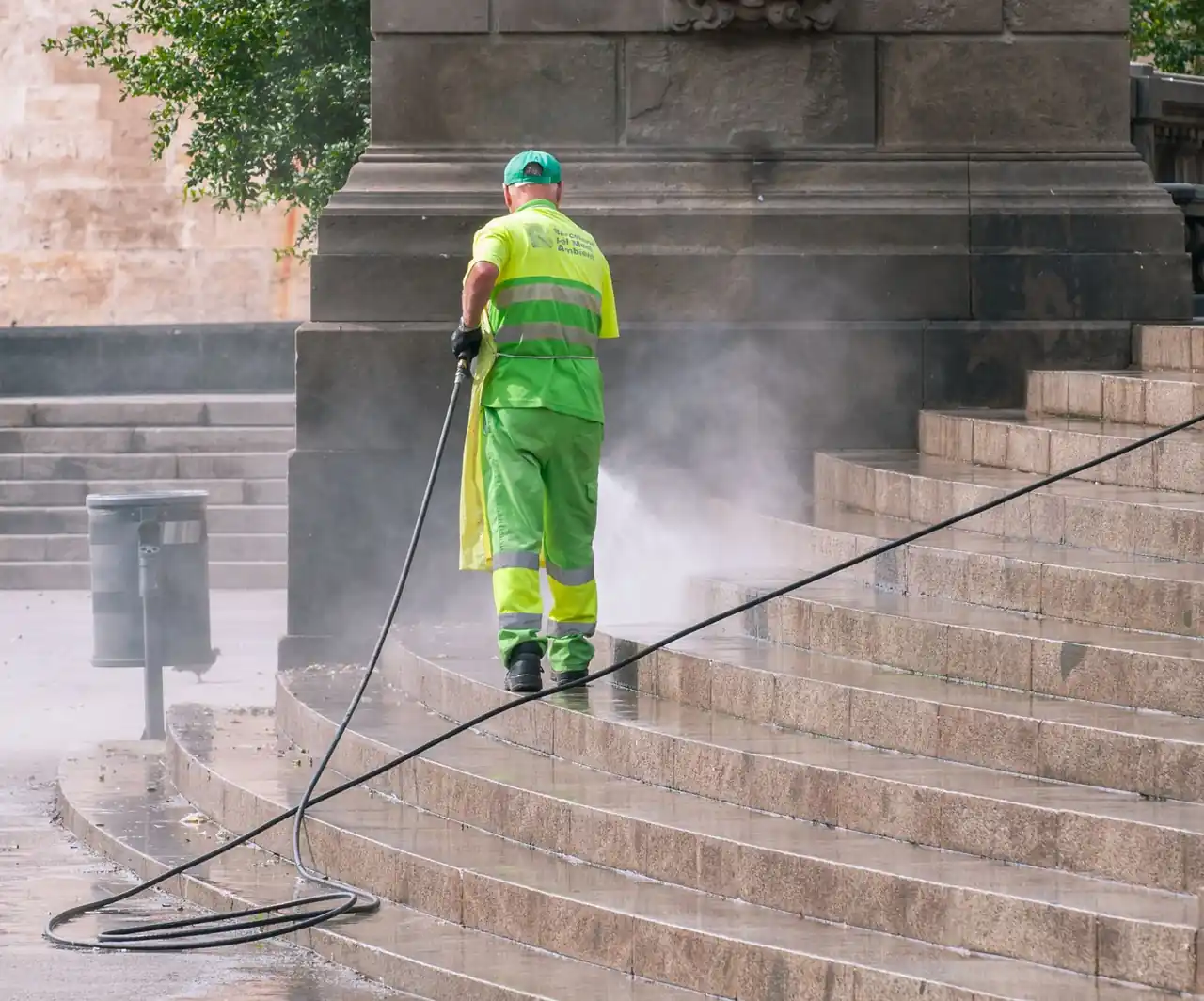
When a pipe burst or appliance leak floods a slab, our emergency crews pull the water before it reaches the footer drain. We treat the foundation as the last line of defense and extract fast to keep it dry.
View service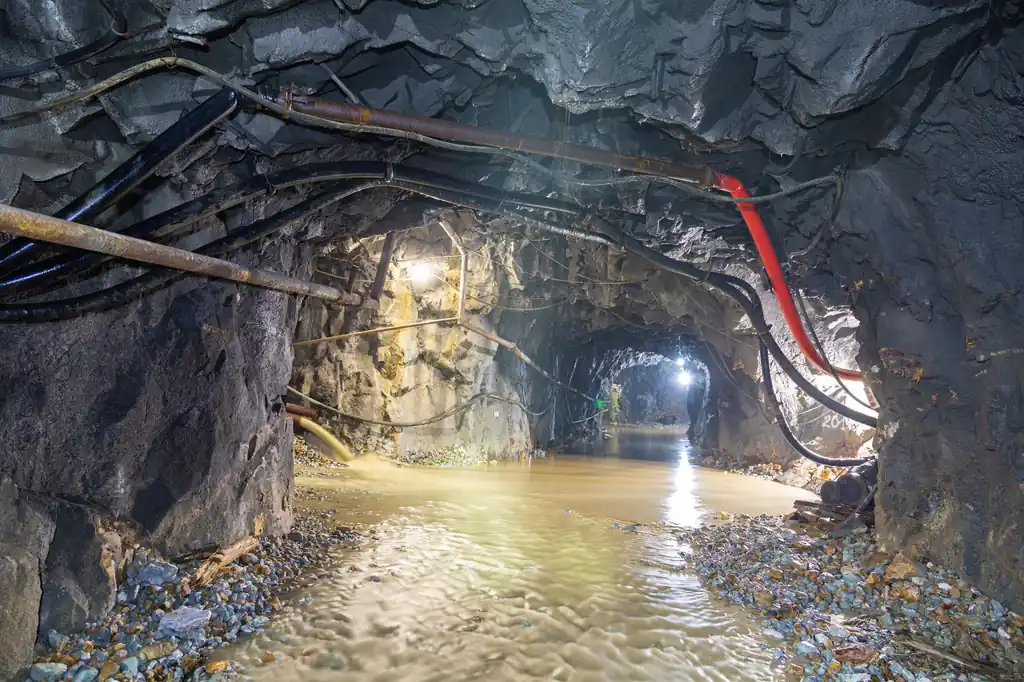
Foundation water is often the second phase of a larger loss. Our 24/7 restoration teams handle the full scope, from initial extraction through structural drying and final repairs, so your Rocky Mount home is restored in one coordinated job.
View service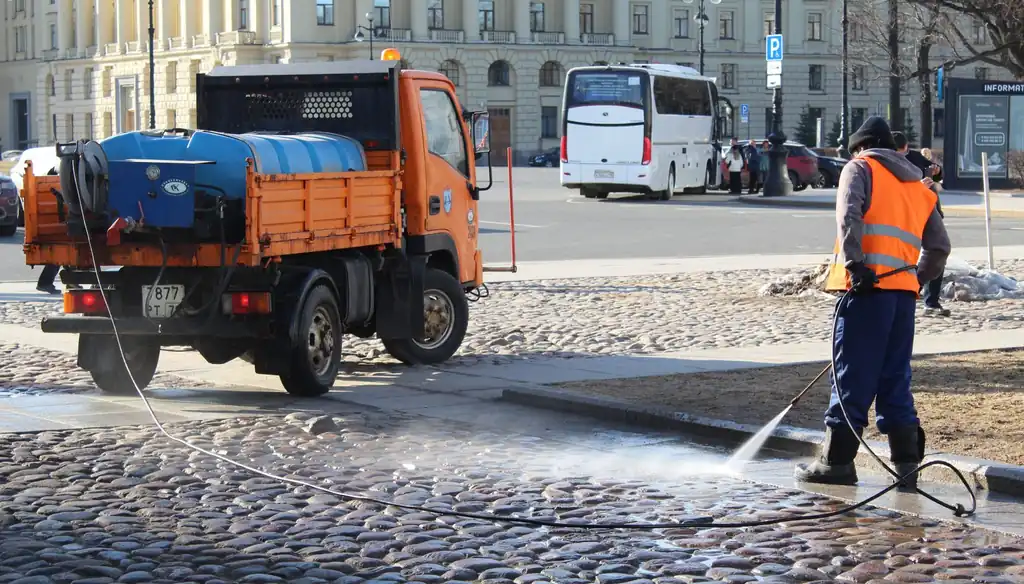
A flooded basement puts hydrostatic pressure directly on your foundation walls. We pump it out, dry the block, and check the sump pit and footer drain so the water has somewhere to go next time instead of into your basement.
View service
Storm damage flooding and sewage backup both threaten the foundation. Our emergency water removal crews arrive with truck-mounted extractors and submersible pumps to clear standing water before it wicks into the concrete and framing.
View service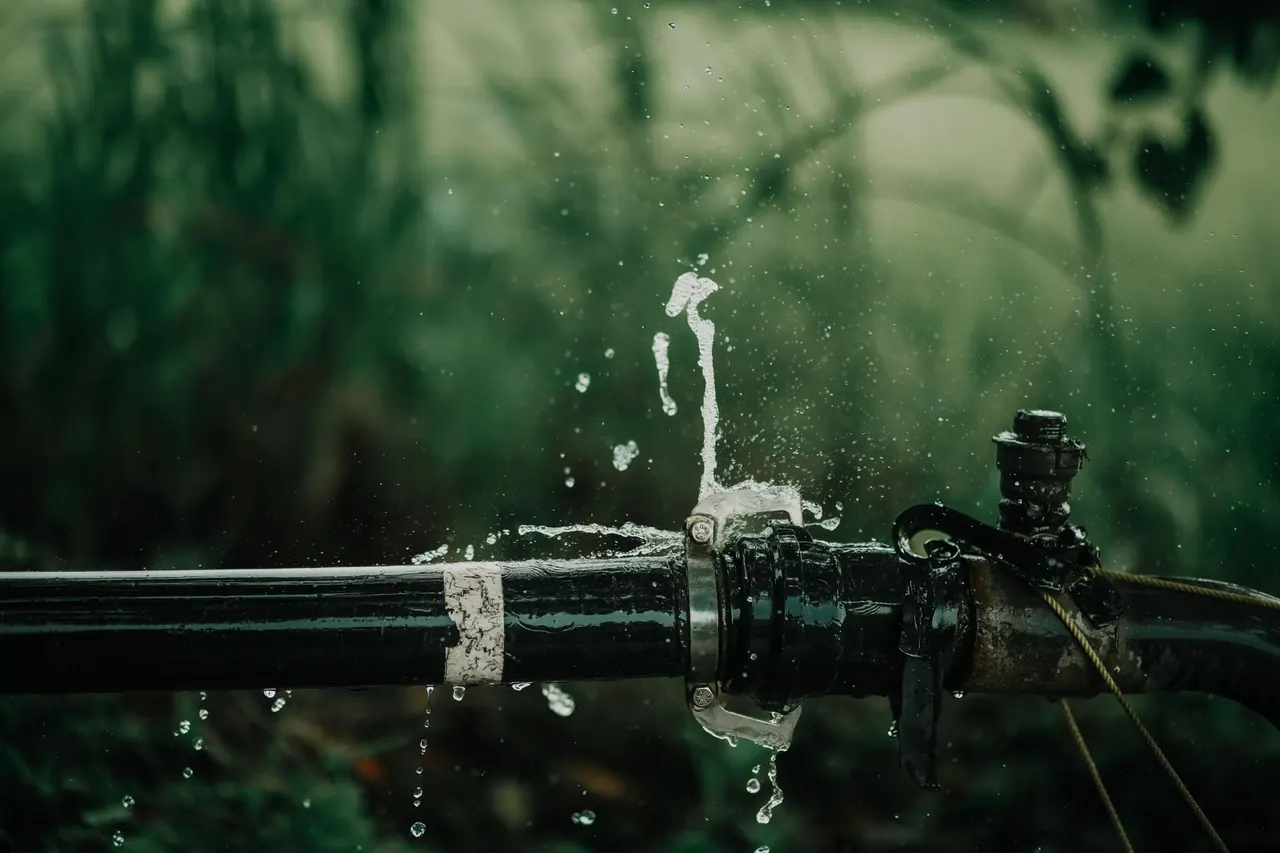
Our line is answered 24/7, and we dispatch crews day and night across Rocky Mount and Nash County. Call and we will ask a few questions about the source and the rooms affected, then give you a real arrival window. If you are not sure whether you need extraction, call anyway - we will tell you straight.