Focused arrival windows
Useful updates and clear arrival timing.
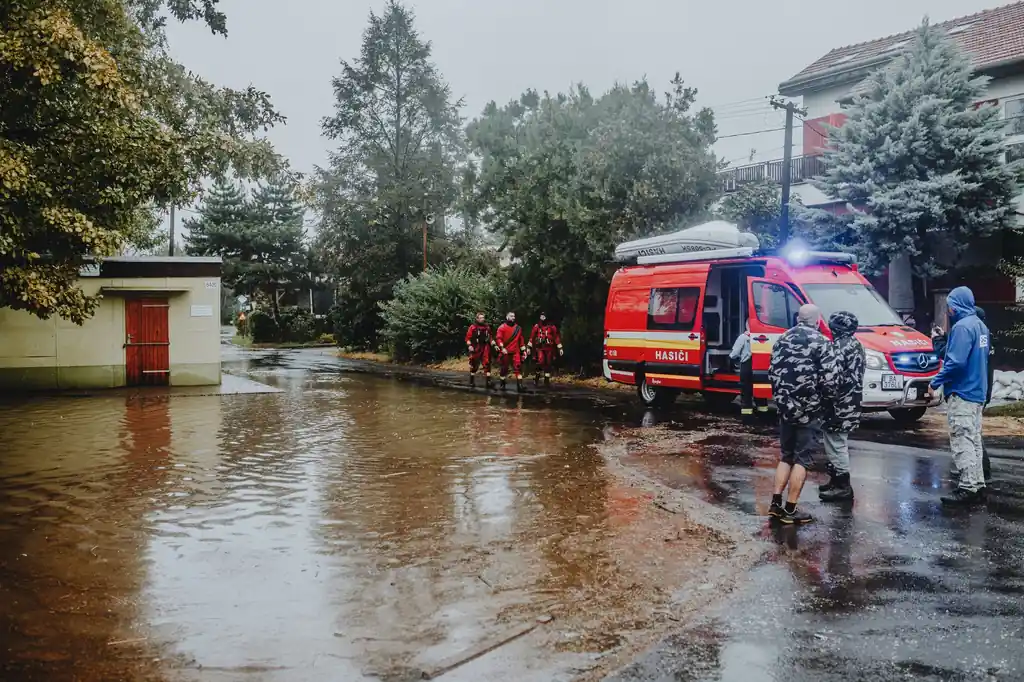
When your basement floods, every hour counts. Flooded Basement Water Removal Rocky Mount NC from Water Recovery Network means truck-mounted extraction, industrial drying, and full basement flood cleanup in Rocky Mount. We serve homeowners across Nash County dealing with burst pipes, sump pump failure, and storm flooding. Our crew arrives with the right equipment to pull standing water fast and dry your space before mold sets in.
Useful updates and clear arrival timing.
Review the approach and price before deciding.
Equipped vehicles and respectful cleanup.
Neighbors serving neighbors with follow-through.
Every job starts with a full inspection and a clear scope. Here is what is included in our standard flooded basement water removal service, and what we can add if your situation calls for it.
We pull standing water with a submersible pump or truck-mounted extractor, then use a weighted extraction tool on carpet and a wet/dry vacuum in tight spots. Most basements are extracted in two to four hours.
We use a moisture meter, thermal imaging camera, and hygrometer to find hidden water and track drying progress. You get daily readings so you know exactly when your basement hits dry standard.
We place air movers and dehumidifiers based on the size and layout of your basement. A typical job uses four to six air movers and one or two dehumidifiers, running until moisture readings confirm the space is dry.
After extraction, we treat affected surfaces with antimicrobial solution to stop mold and bacteria. This is especially important after sewage backups or storm flooding where contaminants are present.
We haul away soaked cardboard, ruined insulation, and other debris. We also use absorbent pads and plastic sheeting to protect dry areas while we work. You get a clean, dry basement when we are done.
Share what is happening and receive a clear next step from the local team.
Flooded Basement Water Removal Rocky Mount NC is the process of extracting standing water from a basement, then drying the structure and contents to prevent mold and structural damage. It starts with a moisture meter and thermal imaging camera to map how far water has traveled. From there we use a truck-mounted water extractor or submersible pump to pull the bulk of the water, followed by weighted extraction tools and air movers to dry carpet, concrete, and framing.
In Rocky Mount, basements flood for predictable reasons: summer thunderstorms dump two inches in an hour, aging sump pumps quit during a power flicker, and cast-iron drains back up in older homes near Downtown. We see it most after heavy rain in Five Points and Riverside, where the water table rises fast. If you need emergency basement flood cleanup near me Rocky Mount, call us before you shop vac the last inch.
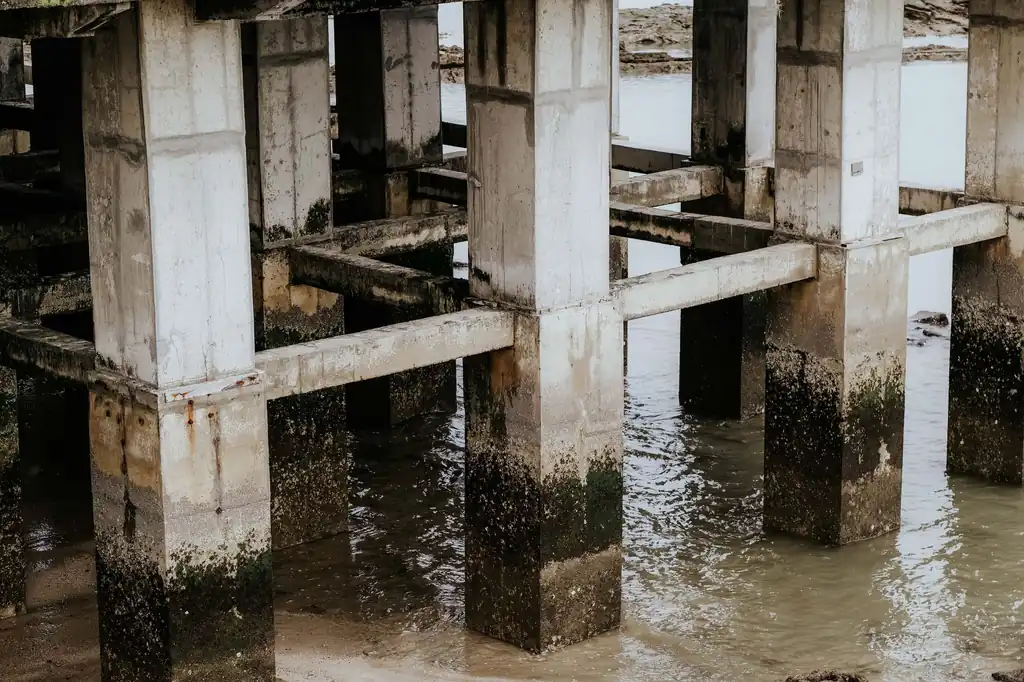
You call, we ask a few questions about water depth and source, and dispatch a crew. We aim to be on-site within 60 to 90 minutes for Rocky Mount addresses. If the water is still rising, we talk you through shutting off the main valve or breaker before we arrive.
We walk the basement with a moisture meter and thermal imaging camera to find hidden water behind walls and under flooring. This takes 15 to 20 minutes and tells us exactly where to focus extraction. You get a clear picture of the scope before we start.
We pull standing water with a submersible pump or truck-mounted extractor, then switch to a weighted extraction tool for carpet and a wet/dry vacuum for tight corners. A typical residential basement takes two to four hours to extract, depending on how much water is down there.
We set air movers and dehumidifiers to dry the structure. A standard basement gets four to six air movers and one or two dehumidifiers. We check moisture readings daily and adjust equipment until your space hits dry standard, usually in three to five days.
Once readings confirm dry, we remove equipment, wipe down surfaces with antimicrobial solution, and haul away any debris. We walk the space with you, show you the final moisture log, and give you simple steps to keep it dry going forward.
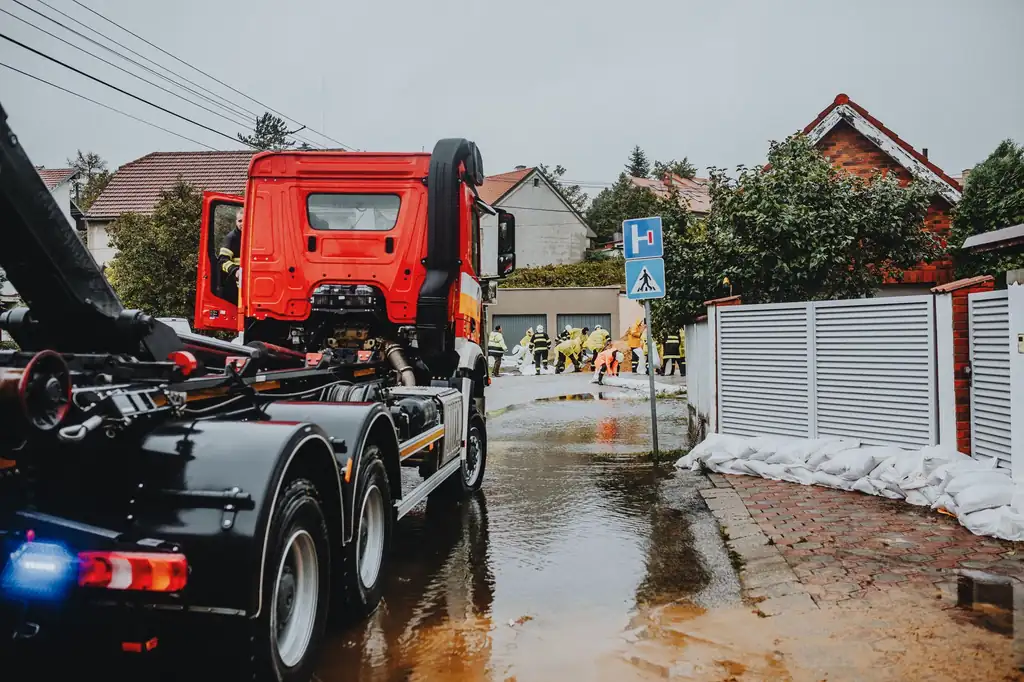
Pulls hundreds of gallons of water fast from carpet and hard surfaces. It is the workhorse for any basement flood.
Used when water is too deep for a vacuum. It pumps standing water out of the basement and into a drain or outside.
Finds hidden water behind walls and under floors by reading temperature differences. It shows us where to focus drying.
Measures moisture content in wood, drywall, and concrete, and tracks humidity levels. We use these daily to confirm dry standard.
Pulls moisture from the air in cool, damp basements where standard dehumidifiers struggle. It speeds up drying in Rocky Mount's humid climate.
Circulates air across wet surfaces to evaporate moisture. We position them to create a drying vortex in each affected room.
Presses down on carpet to pull water from the pad and backing. It removes far more water than a standard vacuum.
This is the industry standard for water damage restoration. It tells us how to classify water, set drying goals, and document the job. We follow it on every Rocky Mount basement flood.
Our technicians are trained in Water Restoration Technology and Applied Structural Drying. That means we know how to dry walls, floors, and framing without causing secondary damage.
We map moisture with thermal cameras and meters, then check readings every day. We adjust equipment placement until your basement hits dry standard, which usually takes three to five days.
After extraction and cleaning, we apply antimicrobial solution to affected surfaces. This stops mold and bacteria from growing while the space dries.

Call us immediately. We dispatch a crew, extract the water, and set up drying equipment the same day. We also check your sump pump and drainage to find out why it flooded. Your basement is dry in three to five days, and you know what caused the flood so you can prevent it next time.
Shut off the main water valve and call us. We extract water from carpet and pad, dry the drywall and framing, and document the damage for insurance. You avoid mold and warped floors, and your insurance claim is backed by photos and moisture readings.
Do not touch the water. Call us for sewage backup water extraction. We suit up in PPE, extract the water, remove contaminated materials, and sanitize the area. The contamination is removed, the space is sanitized, and your basement is safe to use again.
We inspect with a moisture meter and thermal camera, find the hidden water, and dry the space. We also identify foundation or drainage issues that let water in. The musty smell is gone, moisture levels are back to normal, and you have a plan to keep water out.
Rocky Mount sits in the Tar River basin, and that means a wet basement is a real risk. Summer thunderstorms can drop two inches of rain in an hour, and the water table rises fast in low-lying neighborhoods like Riverside and Five Points. Many homes here were built before 1960, with cast-iron drains and block foundations that seep. We also see a lot of sump pump failures during power outages. When you call for basement flood cleanup Rocky Mount, we bring equipment sized for these older homes and know where water hides. We follow North Carolina building codes and ANSI/IICRC S500 standards, and we document everything for insurance. If you need how to remove standing water from a flooded basement in Rocky Mount, the answer is simple: call us before you try to shop vac it yourself.
Many homes here have finished basements and older plumbing. We watch for cast-iron drain backups and hidden moisture behind paneling.
Low-lying streets flood fast after heavy rain. We often find water coming through foundation walls and floor drains.
Close to the river, this area has a high water table. Sump pumps run constantly, and failures are common during storms.
Newer construction with poured concrete basements. We see more pipe bursts and appliance leaks here than storm flooding.
Water seeps through foundation walls and floor cracks. We extract it and dry the space, but we also recommend a sump pump and drainage improvements.
These pipes corrode and back up, sending sewage into basements. We handle the cleanup with PPE and antimicrobial treatment.
Sump pumps quit when the power goes out. We see a spike in flooded basements after every major storm, and we respond 24/7.
High humidity slows drying. We use desiccant dehumidifiers to pull moisture from the air and speed up the process.
A homeowner in Five Points woke up to three inches of water in a finished basement after a storm knocked out power. The sump pump never ran. Carpet was soaked, and water was wicking up drywall.
We extracted the water in three hours, removed the wet carpet pad, and set up air movers and a desiccant dehumidifier. Moisture readings hit dry standard in four days. The drywall was saved, and the homeowner replaced the sump pump with a battery backup.
Maintenance: Test your sump pump every spring and fall. Pour a bucket of water into the pit and make sure it kicks on. Install a battery backup so it runs during outages.
A pipe burst behind the laundry room in an Englewood home, sending water across the finished basement floor. The homeowner shut off the main valve but had an inch of standing water and soaked carpet.
We extracted the water with a truck-mounted unit, dried the carpet in place with weighted extraction, and dried the walls and baseboards. The job took four days. The homeowner filed an insurance claim, and we provided photos and moisture logs to support it.
Maintenance: Insulate pipes in unheated areas and disconnect garden hoses before the first freeze. If you leave town in winter, shut off the main valve and drain the lines.
A 1940s home near Downtown had a sewage backup that sent two inches of contaminated water into the basement. The smell was strong, and the homeowner did not know what to do.
We suited up in PPE, extracted the water, removed soaked cardboard and insulation, and treated the area with antimicrobial solution. We ran air scrubbers and dehumidifiers for five days. The basement passed a final moisture check and smelled clean.
Maintenance: Have your main sewer line inspected every two years, especially in older homes. Avoid pouring grease down the drain, and consider a backwater valve to stop future backups.
Basements flood for different reasons, and each one needs a different approach. Here are the most common problems we handle for Rocky Mount homeowners.
Water rises fast and can reach electrical outlets and appliances within hours, creating a safety hazard and major damage. We extract the water with a submersible pump, dry the space, and check your sump pump. We can also recommend a battery backup so the next storm does not flood you again.
Carpet, drywall, and furniture soak up water. Mold can start in 24 to 48 hours, and warped floors may need replacement. We shut off the water, extract from carpet and padding, and dry the structure with air movers and dehumidifiers. We document everything for your insurance claim and work directly with your adjuster.
Sewage carries bacteria and viruses. Anything it touches is a health risk, and the smell can linger for weeks. Our crew uses PPE, extracts the water, removes contaminated materials, and sanitizes with antimicrobial solution. We follow IICRC AMRT protocols to make the space safe again.
Water seeps through foundation walls and floors, soaking insulation and framing. If left wet, mold spreads through wall cavities. We extract standing water, use thermal cameras to find hidden moisture, and dry walls and floors with targeted air movement. We also identify drainage fixes to reduce future flooding.
$500 - $2,500 depending on scope
Most flooded basement water removal jobs in Rocky Mount run $500 to $2,500, with the average around $1,200. That covers extraction, drying equipment, daily monitoring, and basic cleanup. The final price depends on how much water is down there, what materials got wet, and whether sewage is involved. We give you a clear estimate before we start, and we bill insurance directly when your policy covers the damage. Typical 2026 pricing in this area has stayed steady, and we do not add surprise fees.
The cost of water removal is a fraction of what you would pay to remediate mold or replace a ruined basement. Fast extraction and proper drying protect your home and your wallet.
An inch of water across a small basement is a different job than a foot of water in a large finished space. Deeper water takes longer to extract and requires more drying equipment.
The more square footage that is wet, the more air movers and dehumidifiers we need. A 400-square-foot basement dries faster and cheaper than a 1,200-square-foot finished space.
Clean water from a burst pipe is category 1. Sewage backups are category 3 and require PPE, removal of contaminated materials, and antimicrobial treatment. That adds cost but is necessary for safety.
Carpet and pad, hardwood, drywall, and insulation all absorb water differently. Carpet can often be dried; hardwood may need floor mats; drywall sometimes has to be cut out.
If your policy covers the loss, we document everything and bill your insurer directly. That means you may only pay your deductible. We work with all major carriers.

Water Recovery Network has handled flooded basements across Rocky Mount and Nash County for years. Our technicians hold IICRC WRT and ASD certifications, and we follow the ANSI/IICRC S500 standard on every job. We know how Rocky Mount homes are built, from 1920s mill houses near Downtown to newer construction in Stoneybrook. That local knowledge means we find water fast and dry it right the first time.
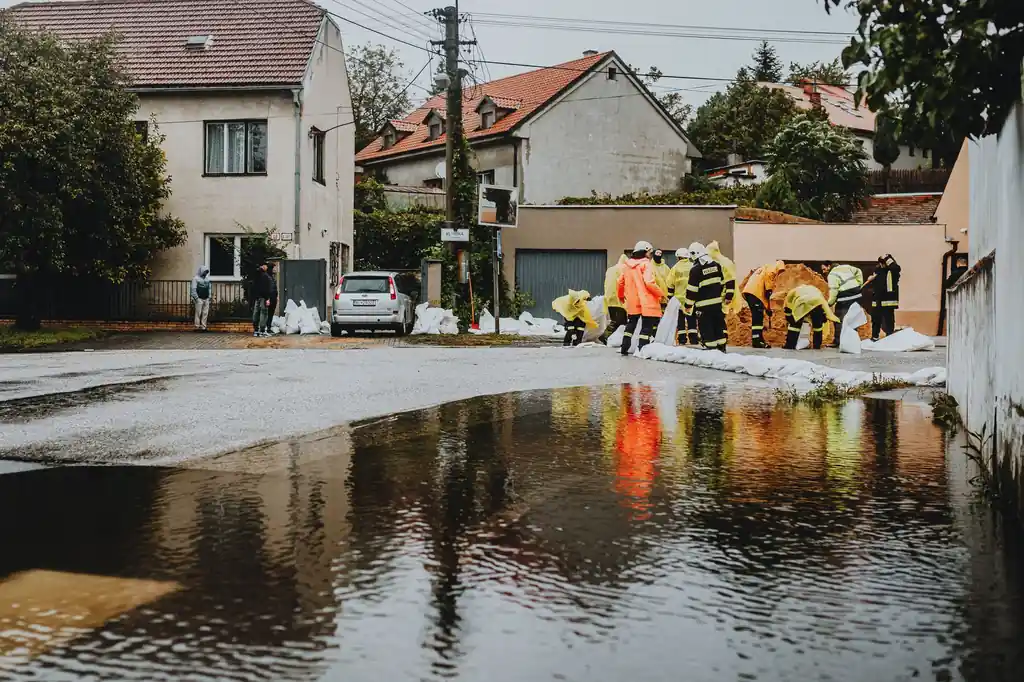
Our sump pump died during a storm and we had four inches of water in the basement. Water Recovery Network showed up in about an hour, pulled the water, and set up dryers. They checked moisture every day and showed us the readings. Basement was dry in four days. Worth every penny.
A pipe burst under the kitchen and flooded our finished basement. I called at 6 a.m. and they were here by 7:15. They moved furniture, extracted water from the carpet, and dried everything. They also worked with our insurance adjuster and handled the paperwork. No mold, no drama.
We manage several rentals near Downtown and have used Water Recovery Network twice for basement floods. Both times they were fast, professional, and documented everything for the owners. They know these old houses and where water hides. I keep their number in my phone.
Most residential basement water removal jobs in Rocky Mount run $500 to $2,500, with the average around $1,200. That covers extraction, drying equipment, and daily monitoring. Cost goes up with deeper water, larger square footage, or if sewage is involved. We give you a written estimate before we start, and we bill insurance directly when coverage applies.
You want an IICRC-certified water restoration company with truck-mounted extraction and drying equipment. Water Recovery Network handles flooded basements across Rocky Mount and Nash County. We are licensed, insured, and available 24/7. Call +1 (252) 385-6067 and we will dispatch a crew, usually within 60 to 90 minutes.
Extraction takes two to four hours for a typical basement. Drying takes three to five days, depending on how much water soaked into walls, floors, and framing. We check moisture daily and only remove equipment when your basement hits dry standard. You get a final moisture log showing the space is dry.
Most homeowner policies cover sudden water damage, like a burst pipe or failed sump pump, but not gradual leaks or flooding from outside. We document everything with photos and moisture readings, prepare an Xactimate scope, and work directly with your adjuster. That gives you the best shot at a covered claim.
Not seeing your question? Our local team can help you understand urgency, scheduling and what to expect.
Ask the local team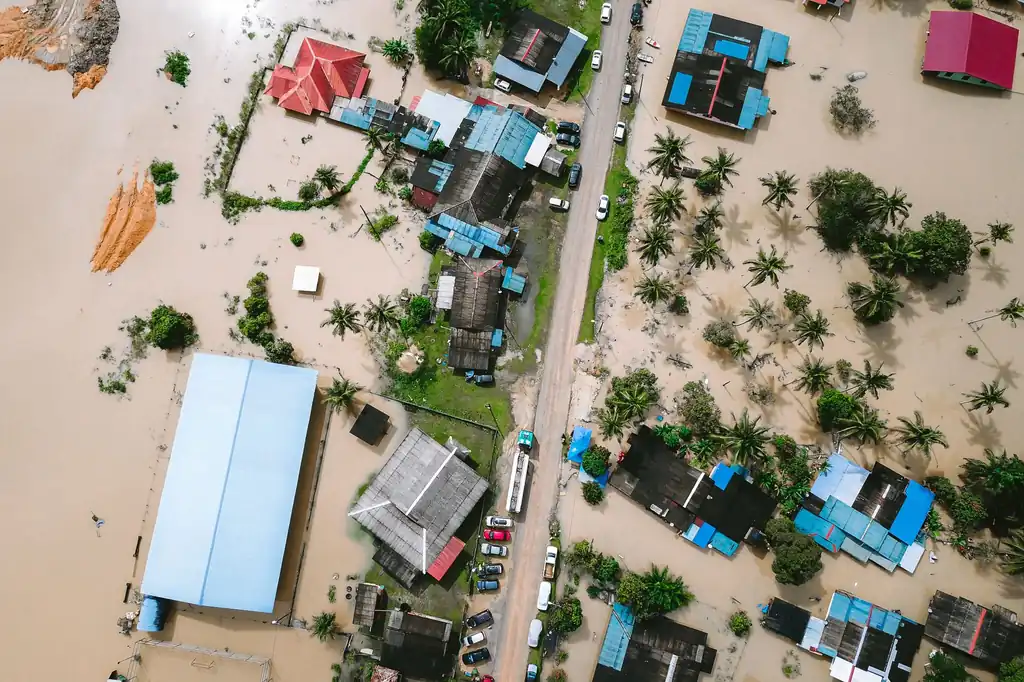
When water is still rising, our emergency water extraction crew pulls it fast with truck-mounted equipment. We handle burst pipes, sump pump failures, and storm flooding across Rocky Mount 24/7.
View service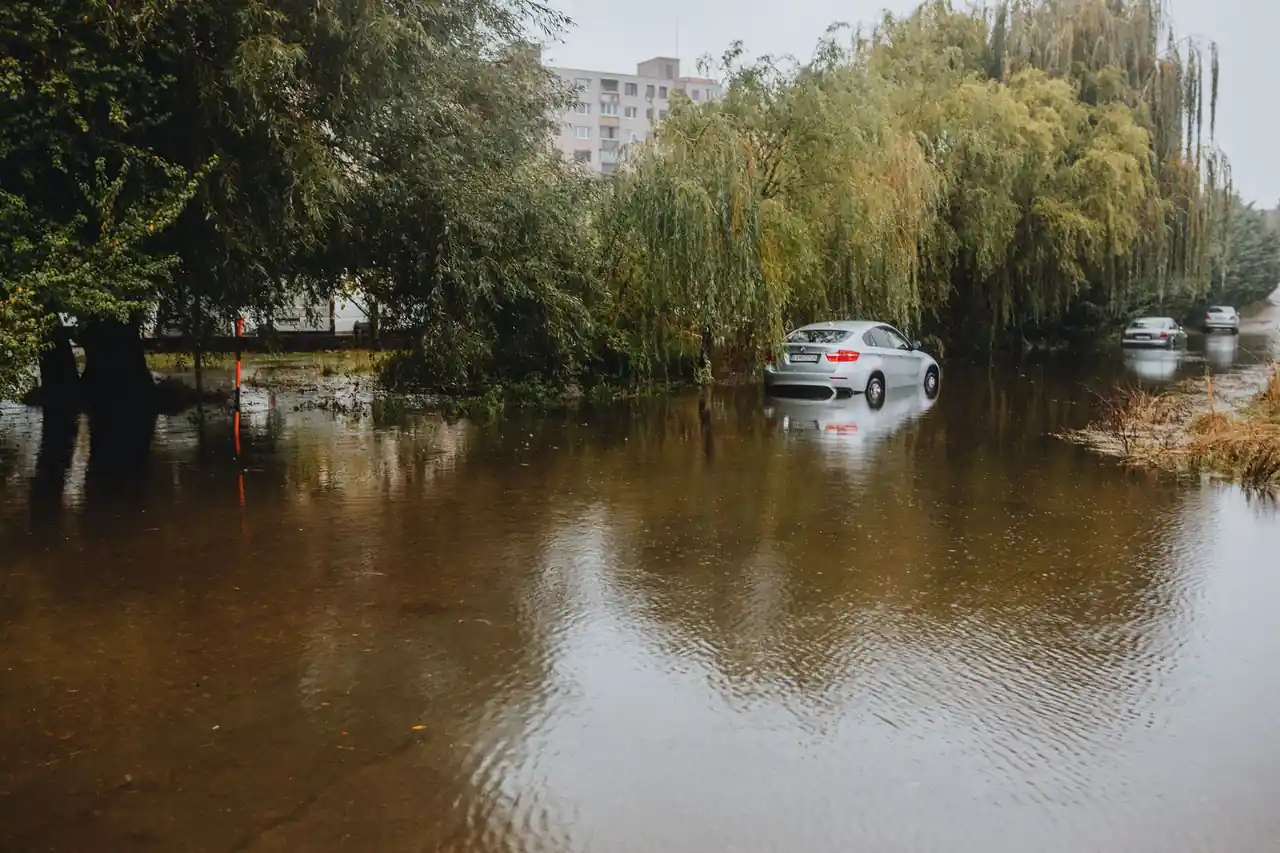
Water damage does not wait for business hours. Our 24/7 restoration team is on call for Rocky Mount homeowners, handling everything from extraction to structural drying and final repairs.
View service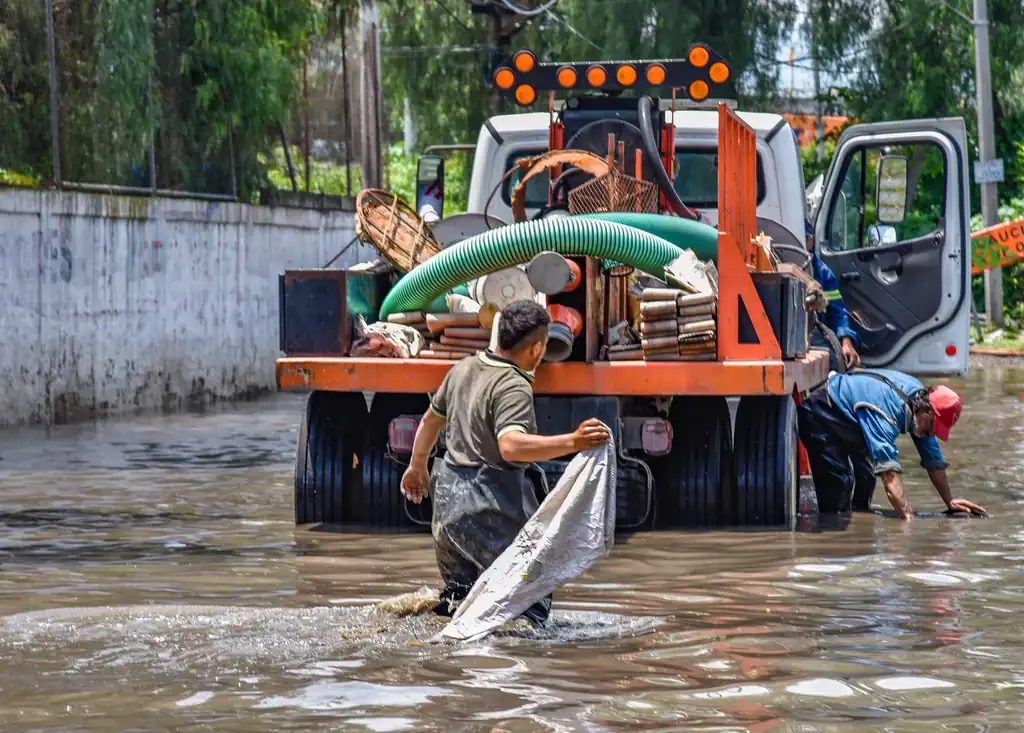
For active leaks and sudden floods, emergency water removal gets standing water out before it spreads. We serve Rocky Mount and Nash County with same-day dispatch and industrial pumps.
View service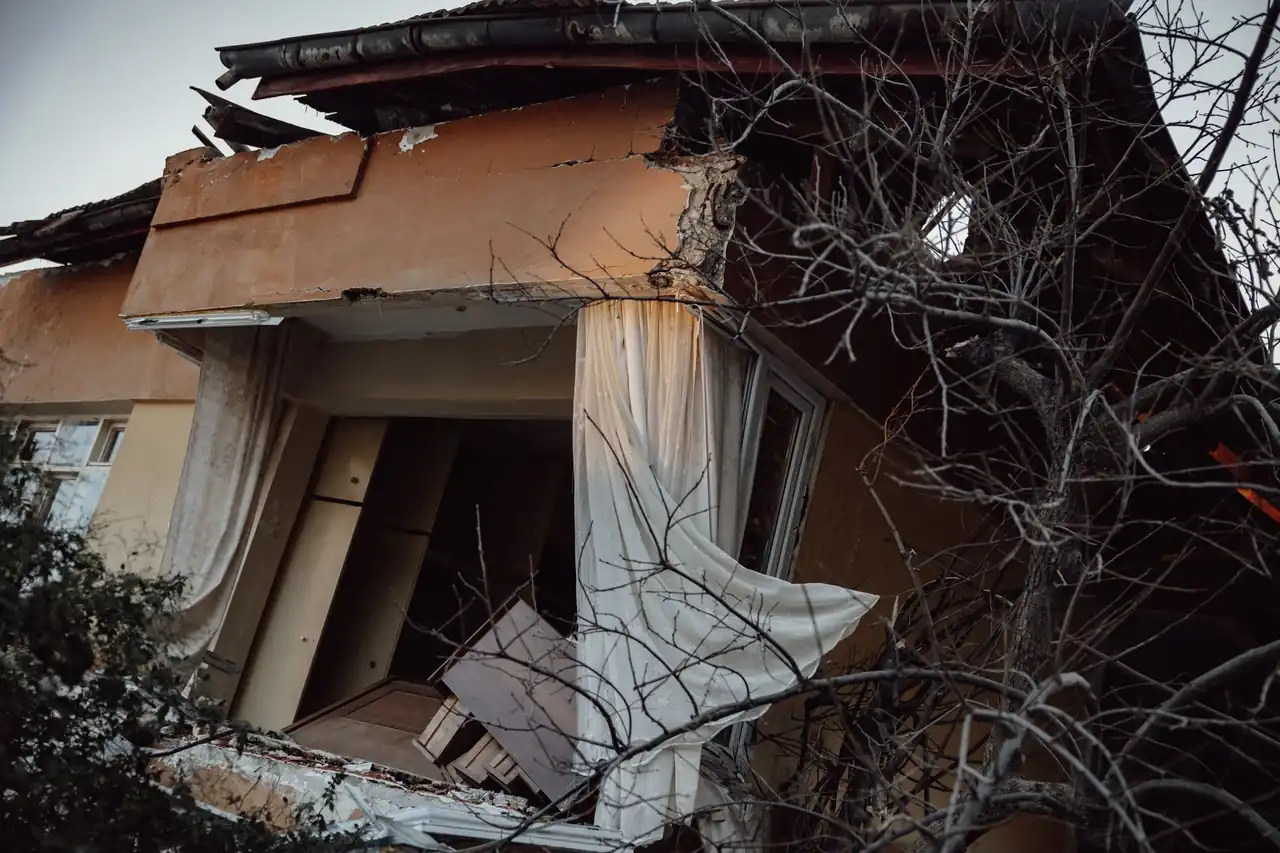
Extraction is only half the job. Our drying team uses air movers, dehumidifiers, and moisture meters to pull water from framing and subfloor until your Rocky Mount basement hits dry standard.
View service
Our line is answered 24/7, and we dispatch crews day and night across Rocky Mount and Nash County. Call and we will ask a few questions about the source and the rooms affected, then give you a real arrival window. If you are not sure whether you need extraction, call anyway - we will tell you straight.