Focused arrival windows
Useful updates and clear arrival timing.
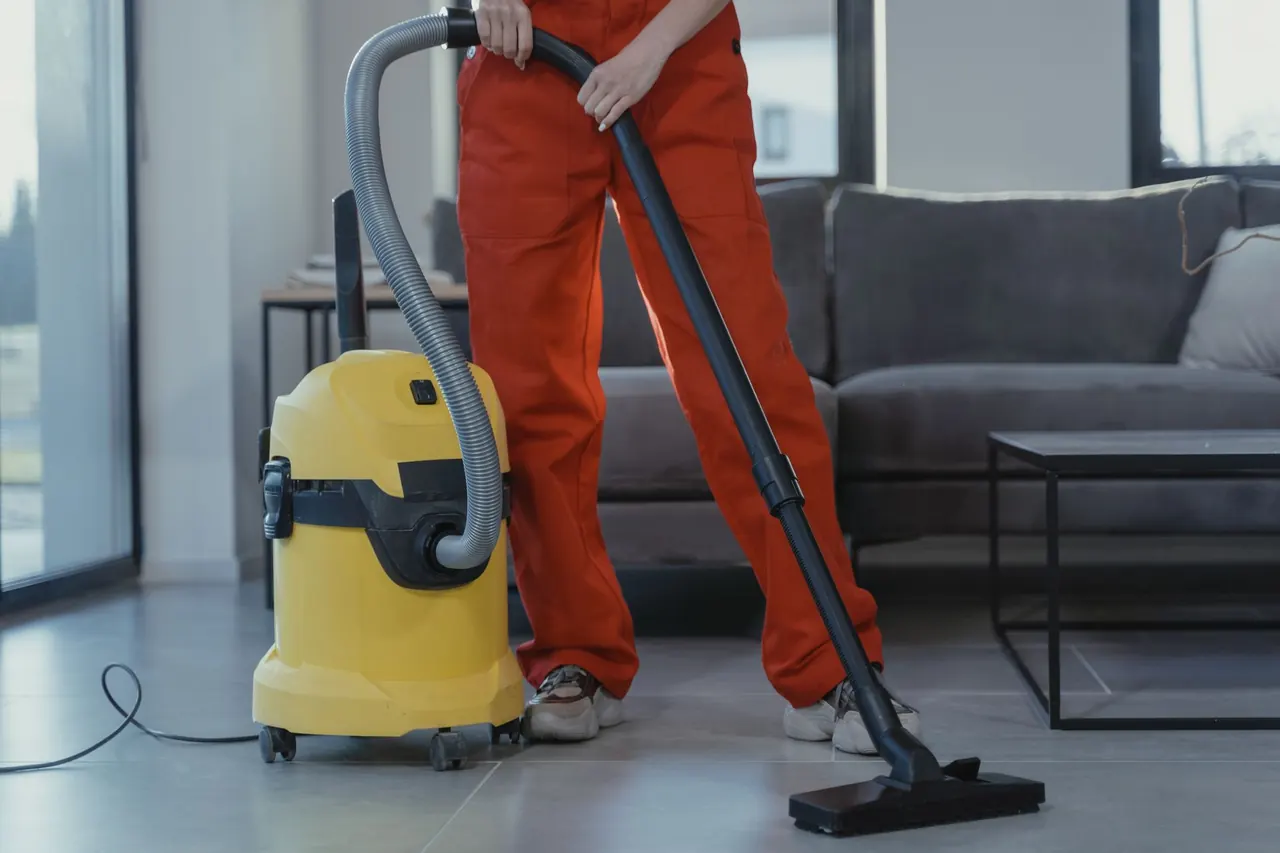
Emergency Water Removal Rocky Mount NC is a 24/7 service that pulls standing water out of your home before it destroys floors, walls, and framing. We run truck-mounted extractors and commercial dehumidifiers across Nash County, from Downtown to West Haven. When a pipe bursts at 2 a.m. or a sump pump quits mid-storm, call us and we roll.
Useful updates and clear arrival timing.
Review the approach and price before deciding.
Equipped vehicles and respectful cleanup.
Neighbors serving neighbors with follow-through.
Every Emergency Water Removal Rocky Mount NC job includes the full extraction and drying process, from the first moisture reading to the final report. We do not charge extra for nights, weekends, or holidays. If we need to add equipment mid-job, we call you first with the price.
A live dispatcher answers your call any time of day or night. We ask what happened, how much water, and what type of flooring, then send the right crew and equipment. Most Rocky Mount addresses see a truck within 60 minutes.
We use a thermal imaging camera and moisture meter to find every wet zone, including hidden water behind walls and under floors. We photograph everything and log readings for your insurance claim before extraction begins.
Our truck-mounted water extractor pulls 12 to 15 gallons per minute through extraction hoses. For deep water, we use a submersible pump first. We extract from carpet, hardwood, tile, concrete, and crawl spaces using the right tool for each surface.
We position air movers every 10 to 16 feet and run Dri-Eaz and Phoenix dehumidifiers to pull moisture from the air. A hygrometer and infrared thermometer track progress daily until your structure hits dry standard, usually in 3 to 5 days.
After extraction, we apply antimicrobial solution to wet surfaces to prevent mold growth. For sewage backups and storm flooding, we use hospital-grade sanitizers and follow IICRC AMRT protocols to keep your family safe.
On the last day, we take final moisture readings and compare them to dry standard. You get a complete report with photos, readings, and a mold-prevention checklist. If anything is still wet, the equipment stays another day at no charge.
Share what is happening and receive a clear next step from the local team.
Emergency Water Removal Rocky Mount NC is the process of extracting standing water from a flooded home or business, then drying the structure so mold never gets a foothold. We start with a moisture meter and thermal imaging camera to map exactly where water traveled - under hardwood, inside wall cavities, behind baseboards. Then a truck-mounted water extractor pulls hundreds of gallons out through extraction hoses, followed by air movers and dehumidifiers running until the hygrometer reads dry. Most residential jobs take 3 to 5 days from first call to final moisture check.
In Rocky Mount, water damage rarely waits for a convenient moment. Summer thunderstorms dump 2 to 3 inches in an hour and overwhelm sump pumps in Riverside and South Rocky Mount. Winter freezes split copper lines in older Mill Village homes. A toilet overflow or appliance leak in a Downtown storefront can soak 500 square feet of carpet before you notice. When you search for emergency water removal in Rocky Mount NC near me, you want a crew that knows these neighborhoods and arrives with the right equipment, not a shop vac and a promise.
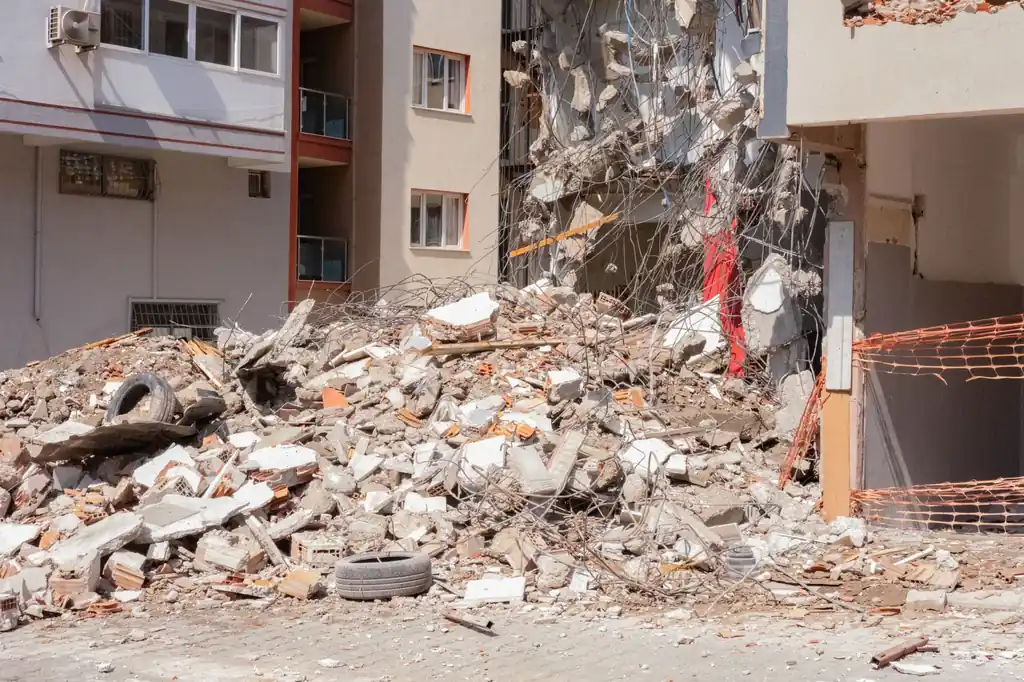
You call +1 (252) 385-6067 and speak to a live dispatcher, not a call center. We ask three questions: what happened, how much water, and what type of flooring. Within 15 minutes, a crew is loaded with a submersible pump, extraction hoses, and drying equipment and headed to your address.
On arrival, we walk the space with a thermal imaging camera and moisture meter to find hidden water behind walls and under floors. We mark wet zones with tape, photograph everything for your insurance claim, and give you a written scope before any equipment comes off the truck.
A truck-mounted water extractor removes standing water at 12 to 15 gallons per minute. For deep water in a crawl space or basement, we drop a submersible pump first. We use a weighted extraction tool on carpet and a floor drying mat system on hardwood to pull water from below the surface.
We position air movers every 10 to 16 feet and run commercial dehumidifiers to pull moisture out of the air. A hygrometer and infrared thermometer track temperature and humidity daily. Most structures reach dry standard in 3 to 5 days, depending on how long the water sat.
On the last day, we take moisture readings in every affected room and compare them to dry standard. If anything is still wet, the equipment stays another day at no extra charge. You get a final report with photos, readings, and a mold-prevention checklist for your records.

Pulls 12 to 15 gallons per minute through extraction hoses. This is the workhorse for carpet, hardwood, and concrete floors.
Drops into deep water in basements and crawl spaces to remove the bulk of the water before extraction begins.
Finds hidden water behind walls, under floors, and in ceilings by reading temperature differences on surfaces.
Measures moisture content in materials and humidity in the air. We use these to set drying goals and confirm when the job is done.
Commercial-grade dehumidifiers that pull moisture from the air. We run these alongside air movers to dry the structure.
A heavy roller that presses water out of carpet and pad. It removes water a standard wand cannot reach.
Sits on top of hardwood floors and pulls moisture up through the seams without sanding or removing boards.
The industry standard for water damage restoration. It defines how to classify water, how much drying equipment to use, and when a structure is dry. We follow it on every job and document our readings against it.
We use a thermal imaging camera and moisture meter to draw a map of every wet zone before we start. This tells us where to place equipment and gives your insurance adjuster a clear picture of the damage.
We check moisture readings every day and adjust equipment placement as needed. If a wall is drying slower than expected, we add air movers or make small vent holes to speed it up.
After extraction, we apply antimicrobial solution to wet surfaces. This stops mold spores from colonizing while the structure dries. For sewage backups, we use hospital-grade sanitizer and follow IICRC AMRT protocols.
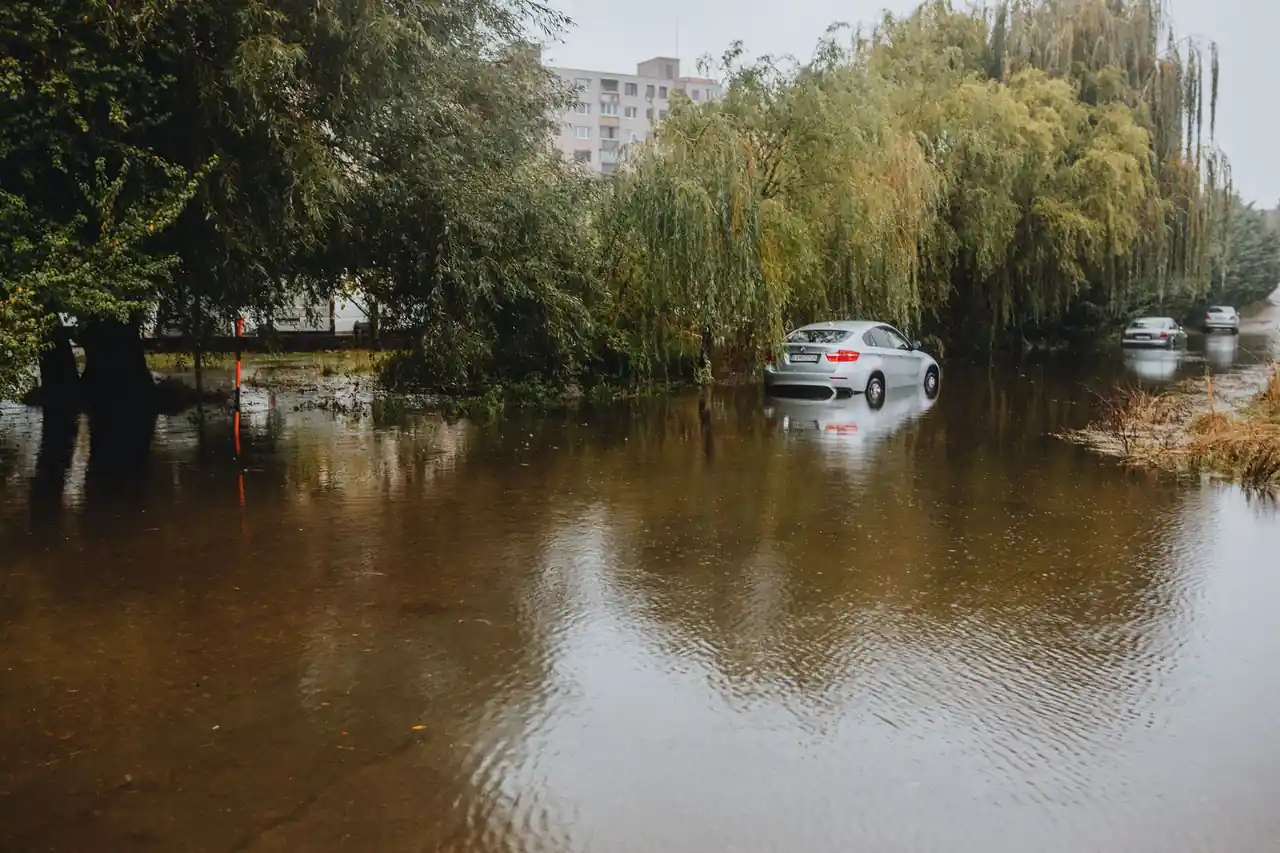
Call us immediately. We dispatch a crew within the hour, shut off the water if you have not already, and extract standing water with a truck-mounted extractor. We set air movers and dehumidifiers to dry the cabinets and flooring overnight. You wake up to a dry kitchen and drying equipment running, not a mold problem. Most kitchen floods are dried in 3 to 4 days.
We drop a submersible pump to remove the bulk of the water, then extract the rest from the concrete and any carpet. We remove saturated insulation, dry the joists, and check the sump pump for the cause of failure. Your basement is dry in 3 to 5 days, and we give you a written recommendation for a battery backup sump pump to prevent a repeat.
We extract the water, lift the carpet to dry the pad and subfloor, and treat the area with antimicrobial solution. If the water is contaminated, we follow sewage backup protocols with full PPE and hospital-grade sanitizer. Your store reopens the next day with dry carpet and no odor. We document the damage for your commercial insurance claim.
We tarp the roof to stop more water from entering, extract from the attic floor, and remove saturated insulation. We dry the ceiling from below with directed air and dehumidification, and check for hidden moisture in the walls. The ceiling is saved in most cases, and your attic is dry within 4 days. We provide a full report for your storm damage claim.
Rocky Mount sits in the Tar River basin, and that shapes every water damage call we run. Summer thunderstorms drop 2 to 3 inches in an hour, and the clay soil does not drain fast. Sump pumps in Riverside and South Rocky Mount work overtime, and when one fails, basements flood. Winter brings a different problem: freezes split copper lines in older Mill Village and Downtown homes, often at 2 a.m. when nobody is awake to shut off the water. The building stock matters too. Homes built before 1980 often have galvanized pipes that corrode from the inside, and crawl spaces without vapor barriers that stay damp year-round. We know which neighborhoods flood first and which pipe materials fail. When you call for urgent water extraction in Rocky Mount, North Carolina, we bring the right equipment for the building, not a one-size-fits-all kit.
Low-lying streets near the Tar River flood first during summer storms. Sump pump failures are common here, and basements take on water fast.
Older mill homes with galvanized pipes and uninsulated crawl spaces. Winter freezes split lines, and crawl space water intrusion is a year-round issue.
Commercial storefronts with flat roofs and older plumbing. A single toilet overflow can soak 300 square feet of carpet before anyone notices.
Established neighborhood with mature trees. Root intrusion into sewer lines causes backups, and roof leaks are common after storms.
Mix of older and newer homes. We see appliance leaks and HVAC condensate line failures, especially in homes with second-floor laundry rooms.
Overwhelms sump pumps and drainage, sending water into basements and crawl spaces. We stage extra submersible pumps and dehumidifiers during storm season.
Burst pipes are the most common winter call. We keep extraction equipment ready for 2 a.m. dispatches and know which neighborhoods have the oldest plumbing.
Water pools around foundations instead of soaking in, increasing the risk of foundation seepage and crawl space flooding. We check the source before we dry.
Slows drying and raises mold risk. We run dehumidifiers longer and monitor humidity daily to keep the structure below the mold threshold.
A supply line under the kitchen sink burst at 2 a.m. By morning, water had spread across 400 square feet of hardwood and into the cabinets. The homeowner called us at 6 a.m., and we were on-site by 7.
We extracted 60 gallons, set 6 air movers and 2 dehumidifiers, and dried the hardwood with a floor drying mat system. By day 4, moisture readings were back to dry standard. The homeowner kept the original oak floor.
Maintenance: We recommended replacing the old supply line with braided stainless and installing a leak detector under the sink. Both are inexpensive and prevent a repeat.
A summer storm knocked out power, and the sump pump failed. The basement took on 2 inches of water across 600 square feet, soaking carpet, drywall, and stored boxes. The homeowner called us at 11 p.m.
We dropped a submersible pump and removed 500 gallons in 45 minutes. We extracted the carpet, removed saturated drywall, and dried the concrete and joists. By day 5, the basement was dry and ready for repairs.
Maintenance: We installed a battery backup sump pump and recommended a water alarm. The homeowner now has 8 hours of backup power if the grid goes down again.
A toilet supply line failed overnight in a Downtown Rocky Mount office. Water soaked 300 square feet of carpet and seeped under the baseboards into the adjacent suite. The tenant found it at 8 a.m.
We extracted the water, lifted the carpet to dry the pad and subfloor, and treated the area with antimicrobial solution. By day 3, the carpet was dry and the office reopened. The insurance claim covered the full scope.
Maintenance: We replaced the toilet supply line with a braided stainless model and installed a water alarm in the restroom. The tenant now checks the line every six months.
Water damage shows up in different ways depending on the season and the building. These are the calls we get most often from Rocky Mount homeowners and business owners, and how we handle each one.
A burst pipe can dump 10 gallons per minute, soaking cabinets, flooring, and the ceiling below within an hour. Mold starts in 24 to 48 hours. We shut off the water, extract standing water with a truck-mounted extractor, and dry the cabinets, flooring, and subfloor. We use thermal imaging to find hidden moisture behind walls and under cabinets, then document everything for your insurance claim.
When a sump pump quits, a Rocky Mount basement can take on 500 gallons in a few hours. The water wicks into drywall, insulation, and stored belongings. We drop a submersible pump to remove deep water fast, then switch to a truck-mounted extractor for the final inch. We remove saturated insulation, dry the joists and subfloor, and recommend a battery backup system to prevent the next flood.
Sewage is category 3 contaminated water. It carries bacteria and viruses that can make your family sick, and it soaks into porous materials that cannot be saved. Our IICRC AMRT technicians suit up in full PPE, extract the water, and remove contaminated materials. We sanitize with hospital-grade antimicrobial solution and verify the space is safe before we finish. We document everything for your insurance claim.
Storm-driven rain pushes through shingles and into your attic, then down through insulation and ceiling drywall. By the time you see the stain, water has been traveling for hours. We extract water from the attic floor, remove saturated insulation, and dry the ceiling from below. If the roof is still leaking, we tarp it to stop more water from coming in. We photograph the damage for your insurance adjuster.
$500 - $3,500 for most residential jobs
Emergency water removal in Rocky Mount costs $500 to $3,500 for most residential jobs, with the average around $1,800. The price depends on how much water, what type of flooring, and how many rooms are affected. We give you a written price before we start, and we bill your insurance directly when you file a claim. Our rates follow Xactimate, the same pricing software your adjuster uses, so there are no surprises. Call +1 (252) 385-6067 for a free estimate over the phone.
You are paying for equipment that pulls 12 to 15 gallons per minute, IICRC-certified technicians, and daily monitoring until your structure is dry. That is what prevents mold and saves your floors. A cheap extraction that leaves moisture behind costs more in the long run.
A single-room toilet overflow might be 50 gallons and cost $500 to $900. A flooded basement with 500 gallons across 800 square feet can hit $3,000 or more. The more water, the longer extraction and drying take.
Carpet is the easiest to extract and dry. Hardwood requires a floor drying mat system and takes longer. Tile and concrete hold water in the subfloor, which adds drying time and equipment.
Clean water from a supply line is category 1 and costs the least to handle. Sewage backup is category 3 and requires PPE, antimicrobial treatment, and disposal of contaminated materials, which adds to the cost.
Water travels. A leak in an upstairs bathroom can soak the ceiling, walls, and flooring below. Each additional room adds extraction time, drying equipment, and monitoring.
Most jobs dry in 3 to 5 days. If the structure was wet for a week before you called, drying can take 7 to 10 days, which means more equipment rental and more monitoring visits.
Most homeowner policies cover sudden water damage like a burst pipe or appliance leak. We document everything in Xactimate and bill your carrier directly, so you often pay only your deductible.
Water Recovery Network is a Rocky Mount-based water damage company with IICRC-certified technicians and a fleet of truck-mounted extractors. We have dried out homes and businesses across Nash County, from Downtown storefronts to crawl spaces in Stoneybrook. Our team holds IICRC WRT, ASD, and AMRT certifications, and we follow the ANSI/IICRC S500 standard on every job. We are licensed, insured, and bonded in North Carolina, and we work directly with insurance adjusters so you are not stuck in the middle.
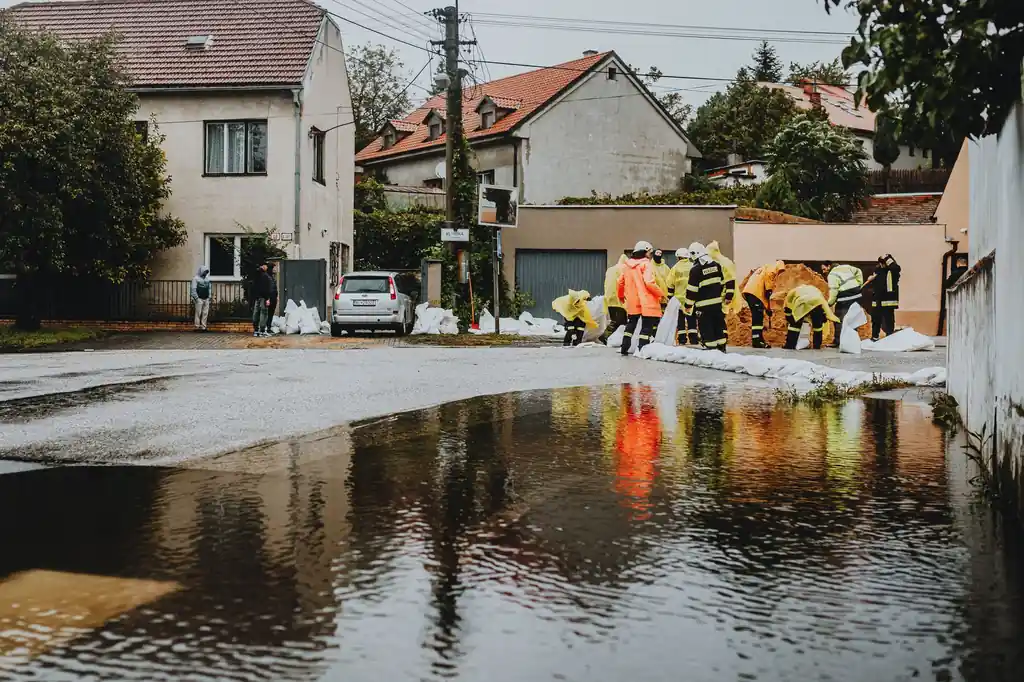
Our sump pump quit during a storm and the basement had 3 inches of water by morning. Water Recovery Network was here in 40 minutes, pumped it out, and set up dryers. They saved the carpet and the drywall. The insurance report was so clean the adjuster approved it without a single question. I cannot recommend them enough.
A pipe burst under our kitchen sink at 2 a.m. I called and a real person answered. The crew arrived within the hour, extracted the water, and had drying equipment running before sunrise. They saved our hardwood floors - three other companies told us we would need to replace them. Worth every penny.
We manage six commercial properties downtown. When a toilet overflow flooded a tenant's office, Water Recovery Network handled the extraction and drying over a weekend so the business could reopen Monday. They documented everything for our insurance and billed directly. They are our first call now.
Most residential jobs run $500 to $3,500, with the average around $1,800. The price depends on how much water, what type of flooring, and how many rooms are affected. A single-room toilet overflow might be $500 to $900. A flooded basement with 2 inches of water across 800 square feet can hit $3,000 or more. We give you a written price before we start, and we bill your insurance directly when you file a claim.
We can be on-site within 60 minutes for most Rocky Mount addresses. Extraction itself takes 1 to 3 hours for a typical residential job, depending on volume. A truck-mounted extractor pulls 12 to 15 gallons per minute, so even a flooded basement with 500 gallons is out in under an hour. The drying phase takes 3 to 5 days after that.
Urgent water extraction Rocky Mount is the same-day removal of standing water using truck-mounted equipment, not a shop vac. You need it any time water is sitting on your floor for more than an hour. Mold starts in 24 to 48 hours, and hardwood floors cup in 72 hours. If you have a pipe burst, sewage backup, or storm flooding, call us immediately - waiting even a few hours increases the damage and the cost.
Water Recovery Network offers 24/7 emergency water removal in Rocky Mount NC, including nights, weekends, and holidays. Call +1 (252) 385-6067 and a live dispatcher answers. We serve all Rocky Mount ZIP codes - 27801, 27803, and 27804 - plus Nash County and the surrounding area. We do not use an answering service; you talk to a real person who can dispatch a crew immediately.
Not seeing your question? Our local team can help you understand urgency, scheduling and what to expect.
Ask the local team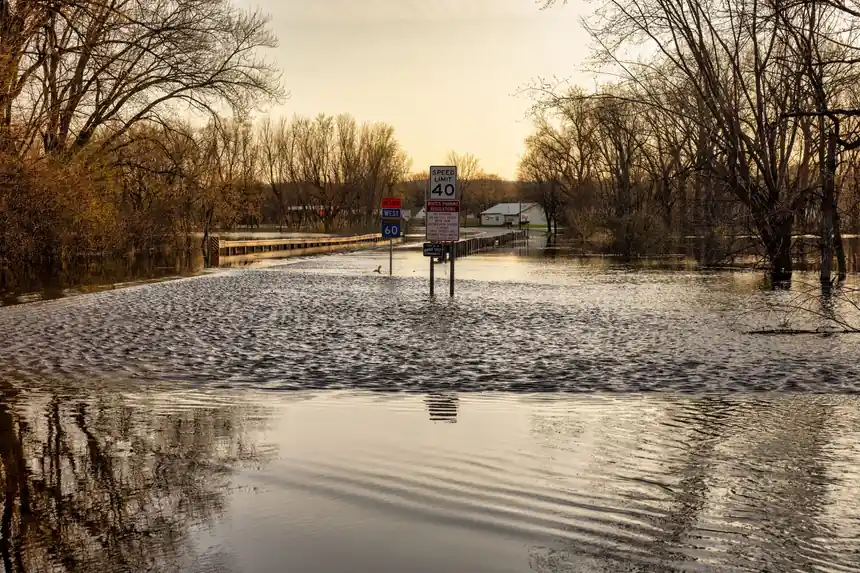
When water is still standing, emergency water extraction is the first step. We use truck-mounted extractors and submersible pumps to pull water out of carpet, hardwood, and crawl spaces before it spreads. This is the core of our Emergency Water Removal Rocky Mount NC service.
View service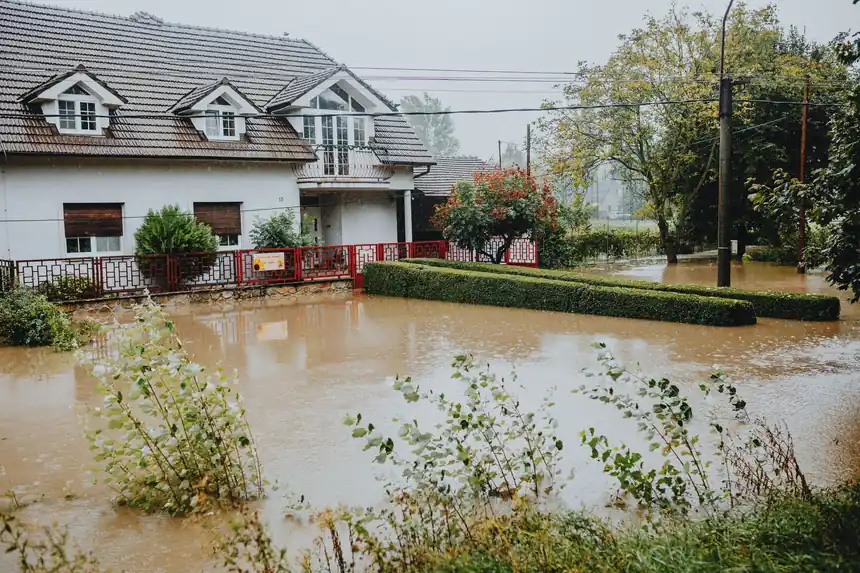
After extraction, restoration puts your home back together - drywall, paint, flooring, trim. We handle both the emergency call and the rebuild, so you are not managing two contractors. Available 24/7 across Rocky Mount and Nash County.
View service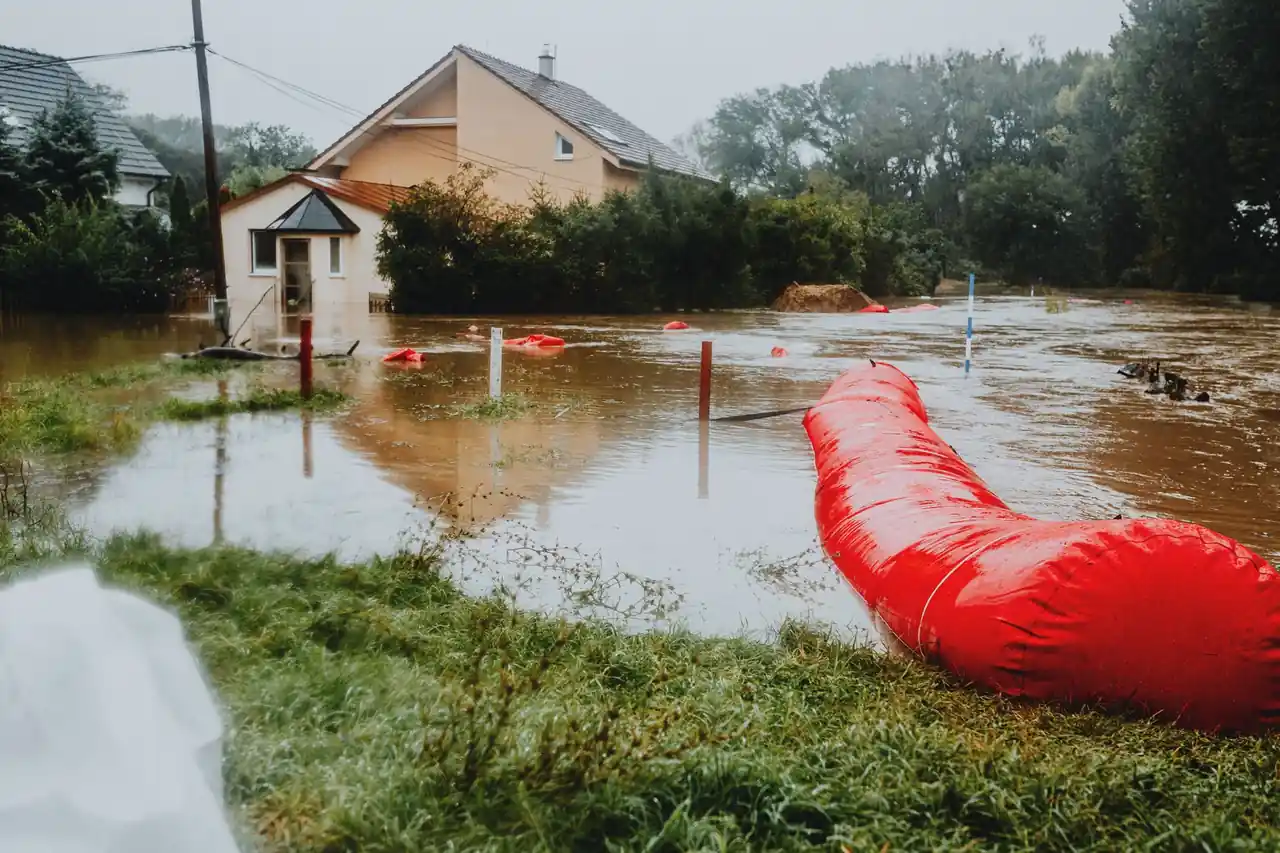
Basements in older Rocky Mount homes flood fast when sump pumps fail or foundation cracks open. We pump out standing water, extract from concrete and carpet, and dry the space with commercial dehumidifiers to prevent mold in the joists and insulation.
View service
Extraction removes the water you can see; drying removes the moisture you cannot. We pair air movers with Dri-Eaz and Phoenix dehumidifiers, tracking progress with hygrometers until your structure hits dry standard. Most jobs dry in 3 to 5 days.
View service
Our line is answered 24/7, and we dispatch crews day and night across Rocky Mount and Nash County. Call and we will ask a few questions about the source and the rooms affected, then give you a real arrival window. If you are not sure whether you need extraction, call anyway - we will tell you straight.