Focused arrival windows
Useful updates and clear arrival timing.
When a sewer line backs up into your Rocky Mount home, every hour counts. Our Sewage Backup Water Extraction Rocky Mount NC team pulls contaminated water, removes waste, and sanitizes the affected area so your family can safely return. We handle toilet overflows, pipe bursts, and flooded basements across Nash County, and we're on call 24/7 for emergencies.
Useful updates and clear arrival timing.
Review the approach and price before deciding.
Equipped vehicles and respectful cleanup.
Neighbors serving neighbors with follow-through.
Every sewage backup job is different, but here is what our standard scope covers. If your job needs something beyond this, we tell you before we start, not after.
We pump standing sewage water with a submersible pump, then run a truck-mounted extractor over carpet and a wet/dry vacuum in corners. A typical residential job pulls 50 to 200 gallons before the floor is dry enough to treat.
Sewage leaves behind solids, ruined carpet, and soaked padding. We bag it all in sealed disposal bags and haul it off. We also remove any drywall that wicked contaminated water above the flood line.
Every surface the sewage touched gets EPA-registered antimicrobial solution. That includes flooring, baseboards, wall cavities, and the subfloor. We do not skip the hidden spots, because that is where mold starts.
We set air movers and dehumidifiers, then monitor with a moisture meter and hygrometer twice daily. Most rooms dry in three to five days. We adjust equipment placement each visit based on real readings.
We photograph every affected room, log moisture readings, and build the scope in Xactimate. Your adjuster gets a clean file with photos, readings, and the drying log, which speeds up the claim.
We do not pull equipment until moisture readings match a dry standard for your home. You get a final report with photos, the drying log, and confirmation that the space is dry and sanitized.
Share what is happening and receive a clear next step from the local team.
Sewage Backup Water Extraction Rocky Mount NC is the process of removing Category 3 contaminated water, solids, and waste from a home or business, then sanitizing and drying every affected surface. It is not a shop-vac job. Raw sewage carries bacteria, viruses, and parasites that soak into drywall, carpet, and subfloor within hours. We use truck-mounted extractors, submersible pumps, and antimicrobial solution to pull the water out and kill what's left behind.
In Rocky Mount, sewage backups spike after heavy rain when the city's older clay and cast-iron lateral lines surcharge. Homes in Mill Village and Downtown Rocky Mount with original plumbing see it most. If you're searching for sewage backup water extraction in Rocky Mount NC near me at 2 a.m., that usually means a toilet overflow or a floor drain pushing waste into a finished basement. We answer the phone and roll a truck.
You call, we ask three questions: where is the water, is it still coming in, and is anyone sick or elderly in the home. We dispatch a crew immediately and give you a realistic arrival window. While you wait, we tell you to shut off the water supply if you can reach it and stay out of the affected room.
On arrival, we walk the space with a moisture meter, thermal imaging camera, and hygrometer to map how far the contamination traveled. We check the basement, crawl space, and wall cavities. You get a written scope and price before we start pulling water.
We pump standing water with a submersible pump, then run a truck-mounted water extractor over carpet and a wet/dry vacuum in tight corners. Solid waste and saturated absorbent pads go into sealed disposal bags. A typical residential job pulls 50 to 200 gallons.
Every affected surface gets antimicrobial solution. We set air movers and dehumidifiers, then monitor with a moisture meter twice daily. Most rooms dry in three to five days. We adjust equipment placement each visit based on readings, not a preset schedule.
We do not pull equipment until moisture readings match a dry standard for your area. You get a final report with photos, readings, and the drying log. If your insurance adjuster needs anything else, we send it directly.

Pulls large volumes of sewage water from carpet and hard flooring fast. It is the workhorse on every job and cuts extraction time compared to portable units.
Pumps standing water out of basements and crawl spaces before we run the extractor. It handles the volume so the extractor can focus on residual moisture.
Finds hidden wall water damage behind drywall and under flooring without tearing the room apart. We use it to map the true extent of the contamination.
Measures moisture content in framing, drywall, and subfloor, and tracks relative humidity in the drying chamber. We log readings twice daily until the space hits a dry standard.
Presses down on carpet and padding to pull sewage water from the deepest fibers. It is the difference between saving a subfloor and replacing it.
Forces dry air under hardwood and tile to dry the subfloor without removing the finished floor. It is a key tool when we are trying to save a floor.
Create airflow and pull moisture from the air after extraction. We use Dri-Eaz and Phoenix Restoration Equipment units and monitor them daily.
The industry standard for water damage restoration. It defines how we classify water, set up a drying chamber, and verify that a structure is dry before we pull equipment.
Sewage is Category 3 water, which means it is grossly contaminated. We seal the work zone with plastic sheeting, wear full PPE, and treat every touched surface with antimicrobial solution.
We build the scope in Xactimate, the same software most insurance adjusters use. That means your claim file lines up with what the adjuster expects to see, which speeds approval.
We take moisture meter and hygrometer readings twice a day and adjust equipment placement based on the numbers. We do not pull equipment on a preset schedule.
Call us immediately. Do not run a household fan or mop it up. We dispatch a crew, pull the water, remove the contaminated carpet, and treat the subfloor with antimicrobial solution. The hallway is dry and sanitized in three days, and the contaminated carpet is gone before bacteria reach the subfloor.
We pump the standing water, extract from carpet and drywall, cut out contaminated material, and dry the framing. We document the whole job in Xactimate for your insurance claim. The basement is dry in four to five days, and your adjuster has a clean file to process the claim.
We pump the water, remove contaminated debris, treat the soil and joists, and set dehumidifiers. We also flag the cracked lateral so your plumber can repair it before the next backup. The crawl space is dry and treated, and the odor that was rising into the living room is gone.
We work after hours, extract the water, sanitize the floors and walls, and dry the space so you can pass inspection and reopen. We document everything for your records. The kitchen is dry and sanitized, and you are back open without losing a full day of business.
Rocky Mount has a mix of older homes with original clay and cast-iron sewer laterals and newer builds on the edges of town. The older lines are the ones that surcharge after a heavy rain, which is why we see so many sewage backups in Mill Village, Downtown Rocky Mount, and the blocks around Bunn Road. When the city sewer line backs up, waste water comes through the lowest drain in the house, usually a basement floor drain or a first-floor toilet. We treat every one of those calls as Category 3 from the start, because that is what it is. Our crews know the ZIP codes we work most, 27801, 27803, and 27804, and we know which neighborhoods have crawl spaces that flood first. If you need emergency water removal from sewage backup Rocky Mount, call us and we will give you a real arrival window, not a four-hour block.
Older homes with original clay sewer laterals that surcharge after heavy rain. Basement floor drains are usually the first place sewage shows up.
A mix of commercial and residential buildings with aging plumbing. Sewage backups here often affect shared walls and need careful documentation for multiple owners.
Many homes here have finished basements with carpet and drywall. When a sewer line backs up, the finished space is what takes the hit.
Lower-lying lots that see storm surcharge during heavy rain. Sewage and storm water mix, which means the job is Category 3 even if it looks like rainwater.
These lines crack and root-intrude over time, which lets sewage back up into the home. We see it most in older Rocky Mount neighborhoods and treat every backup as contaminated.
When the city sewer line fills up, waste water pushes back through the lowest drain. We respond after storms and handle the mixed storm and sewage water as Category 3.
A high water table slows structural drying. We run dehumidifiers longer and monitor moisture readings daily until the space hits a dry standard.
A toilet overflowed at 11 p.m. and sent sewage water into the hallway carpet and a bedroom closet. The homeowner had mopped some of it up, which spread contamination. Carpet was soaked, baseboards were wicking water, and the smell was strong.
We pulled 40 gallons of water, removed the contaminated carpet and padding, treated the subfloor and baseboards with antimicrobial solution, and dried the space in three days. Moisture readings matched a dry standard on the final visit.
Maintenance: Keep an eye on the toilet flange and wax ring. If the toilet rocks at all, replace the ring before it fails again. We also recommended a sewer line camera inspection to check for root intrusion.
A city sewer surcharge pushed waste water through a basement floor drain. The finished basement had carpet, drywall, and furniture. The flood line reached 14 inches up the drywall, and the room smelled like a sewer.
We pumped 120 gallons, extracted from the carpet, cut and removed two feet of contaminated drywall, treated the framing and subfloor, and dried the space in five days. The final report documented everything for the insurance claim.
Maintenance: Install a backwater valve on the sewer lateral to stop the next surcharge from entering the basement. We also recommended a sump pump with a battery backup for storm season.
A cracked sewer lateral let waste water seep into a crawl space. The soil was saturated, joists were wicking water, and the smell was rising into the living room. The homeowner had not been in the crawl space in months.
We pumped the standing water, removed contaminated debris, treated the soil and joists with antimicrobial solution, and ran desiccant dehumidifiers for four days. The crawl space hit a dry standard and the odor was gone.
Maintenance: Repair the cracked lateral and add a moisture barrier over the crawl space soil. Check the space twice a year for standing water, especially after heavy rain.
Sewage backups show up in different ways, but they all need the same fast response. Here are the most common problems we handle for Rocky Mount homeowners.
Category 3 water soaks into grout, baseboards, and carpet within hours. If it sits overnight, bacteria reach the subfloor and the repair bill doubles. We pull the water, remove contaminated carpet and padding, treat the subfloor with antimicrobial solution, and dry the space with targeted air movers. Most single-bathroom jobs are dry in three days.
Finished basements have carpet, drywall, and furniture. Sewage water wicks up drywall at about an inch per hour, so a 12-inch flood line can mean cutting drywall two feet up. We pump the standing water, extract from carpet and subfloor, cut and remove contaminated drywall, and treat the framing. We document everything for your insurance claim and dry the space in four to five days.
Crawl spaces are dark, humid, and hard to dry. Sewage water there feeds mold fast, and the smell rises into the living space above. We pump the water, remove contaminated debris, treat the soil and joists with antimicrobial solution, and set desiccant dehumidifiers. We monitor until the crawl space hits a dry standard.
Storm water mixed with sewage is still Category 3. Homeowners often assume it is just rainwater and mop it up, which spreads contamination through the house. We test for contamination, treat the job as sewage from the start, and extract, sanitize, and dry the whole affected area. We also check the foundation for cracks that let the water in.
$1,200 - $3,800 depending on scope
Sewage backup water extraction in Rocky Mount runs $1,200 to $3,800 for most residential jobs in 2026. The low end is a single bathroom contained to one room. The high end is a finished basement with carpet, drywall, and a crawl space. We give you a written scope and price before we start, and the number we quote is the number you pay. No after-hours surcharge, no surprise equipment fees.
The price covers extraction, waste disposal, antimicrobial treatment, structural drying, daily monitoring, and a final verification report. Doing it right the first time costs less than tearing out mold six months later.
A toilet overflow might be 20 gallons. A flooded basement can be 200 or more. More water means more extraction time, more disposal, and more drying equipment.
Carpet, padding, and drywall that soaked up sewage water have to be removed and disposed of. The more material we have to cut out, the higher the labor and disposal cost.
One bathroom is a small job. A basement plus a hallway plus a closet is a bigger scope with more surfaces to sanitize and more equipment to set.
Most rooms dry in three to five days. Crawl spaces and basements with a high water table take longer, which means more days of equipment and monitoring.
Crawl space jobs take longer because of limited access and the need for desiccant dehumidifiers. If we have to work in a tight space, that adds labor time.
Most homeowner policies cover sudden sewage backups if you have the water backup endorsement. We document the job in Xactimate so your claim reflects the real scope.
Our technicians hold IICRC WRT (Water Restoration Technician) and IICRC AMRT (Applied Microbial Remediation Technician) certifications, which cover exactly the Category 3 sewage work your home needs. We follow the ANSI/IICRC S500 Standard for water damage restoration and OSHA 10 safety protocols on every job. Because we work Rocky Mount and Nash County daily, we know which neighborhoods have clay laterals, which crawl spaces flood first, and how to document a claim so it moves.
Our sewer line backed up into the basement at 11 p.m. on a Sunday. Water Recovery Network answered on the first ring and had a crew here in about an hour. They pumped out the water, pulled the ruined carpet, and sanitized everything. By Thursday the basement was dry and the readings were back to normal. Fair price, no surprises.
A toilet overflow sent sewage into two rooms. I was panicking. The crew sealed off the area with plastic, wore full suits, and treated everything with antimicrobial solution. They documented the whole job for my insurance and even talked to my adjuster. The claim went through without a fight.
We manage several older buildings downtown with original plumbing. When a tenant's unit flooded with sewage, Water Recovery Network handled the extraction and drying on a tight schedule so we could re-rent the unit. They worked around the tenants, kept the work zone sealed, and sent a clean final report.
Most residential sewage backup jobs in Rocky Mount run $1,200 to $3,800 depending on how far the water spread and whether flooring has to be removed. A single toilet overflow contained to one bathroom is on the low end. A finished basement with carpet, drywall, and a crawl space is on the high end. We give you a written scope before we start.
Yes. Sewage is Category 3 water, which means it contains bacteria, viruses, and parasites that can cause serious illness. Never mop it yourself or run a household fan over it. Our technicians wear full PPE, seal the work zone with plastic sheeting, and apply EPA-registered antimicrobial solution to every surface the water touched.
Extraction and waste removal usually take two to four hours for a typical home. Structural drying takes three to five days after that, with daily moisture checks. We do not pull equipment until readings hit a dry standard for your home. You get a final report with the drying log when we finish.
We do. Water Recovery Network answers calls 24/7 and dispatches crews across Rocky Mount, Nash County, and the surrounding area. Call +1 (252) 385-6067 and we will give you an arrival window. For same-day sewage backup water extraction Rocky Mount NC, call before noon and we can usually be on-site the same afternoon.
Not seeing your question? Our local team can help you understand urgency, scheduling and what to expect.
Ask the local team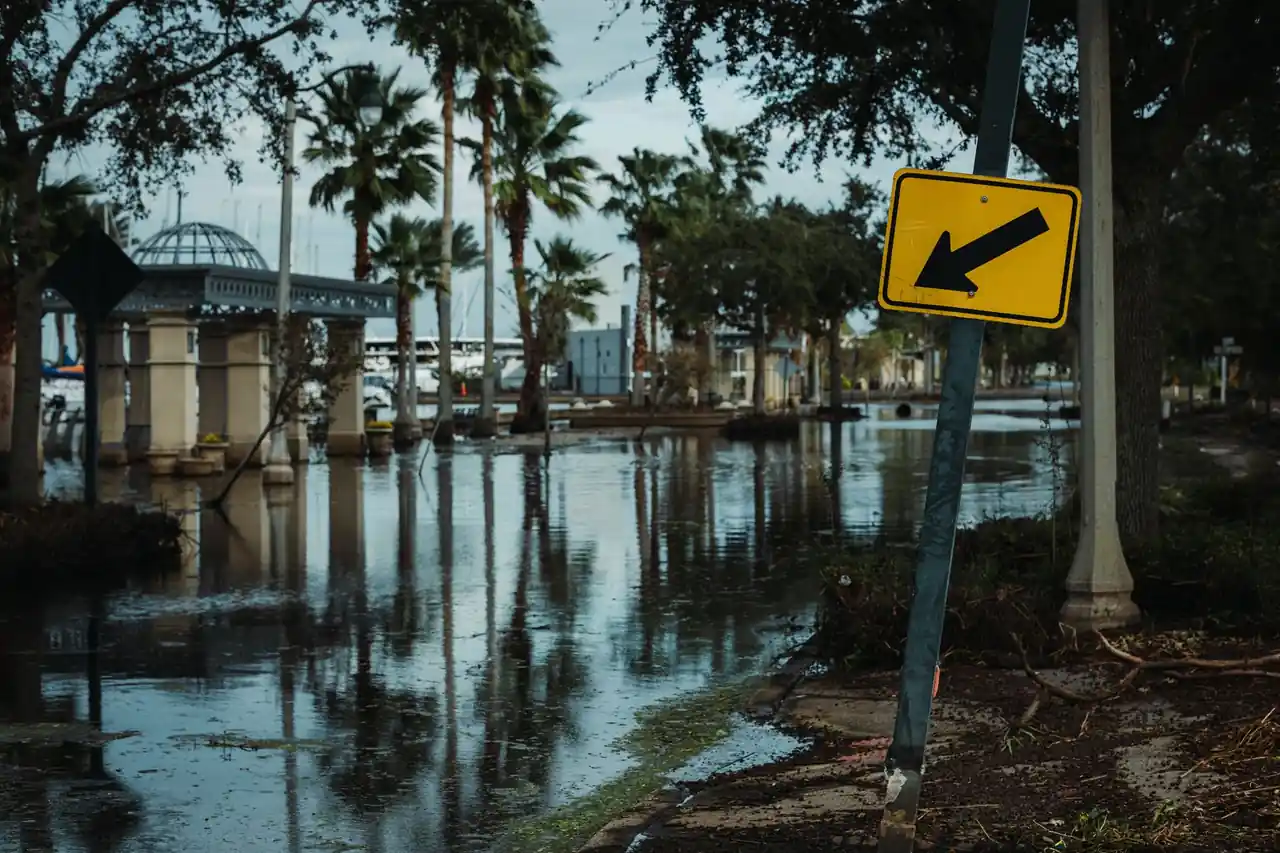
When a pipe bursts or an appliance fails, our emergency water extraction crew pulls standing water fast. It is the first step before any sewage-specific sanitizing, and we run both on the same truck.
View service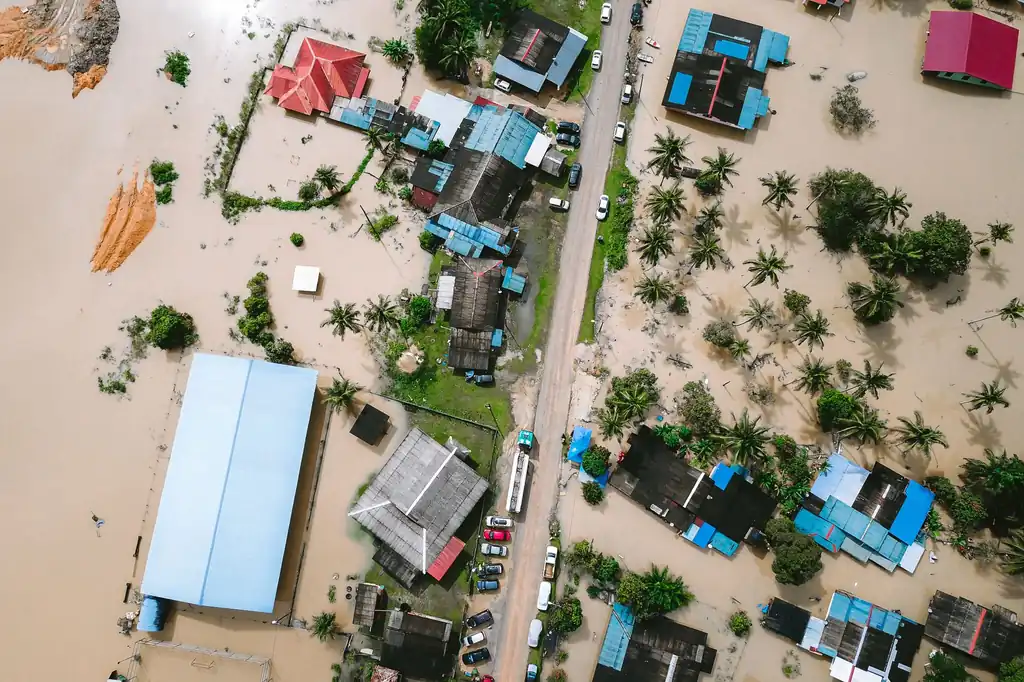
Sewage backups rarely happen at a convenient hour. Our 24/7 water damage restoration line dispatches a crew any time, day or night, so your Rocky Mount home is not sitting in contaminated water until morning.
View service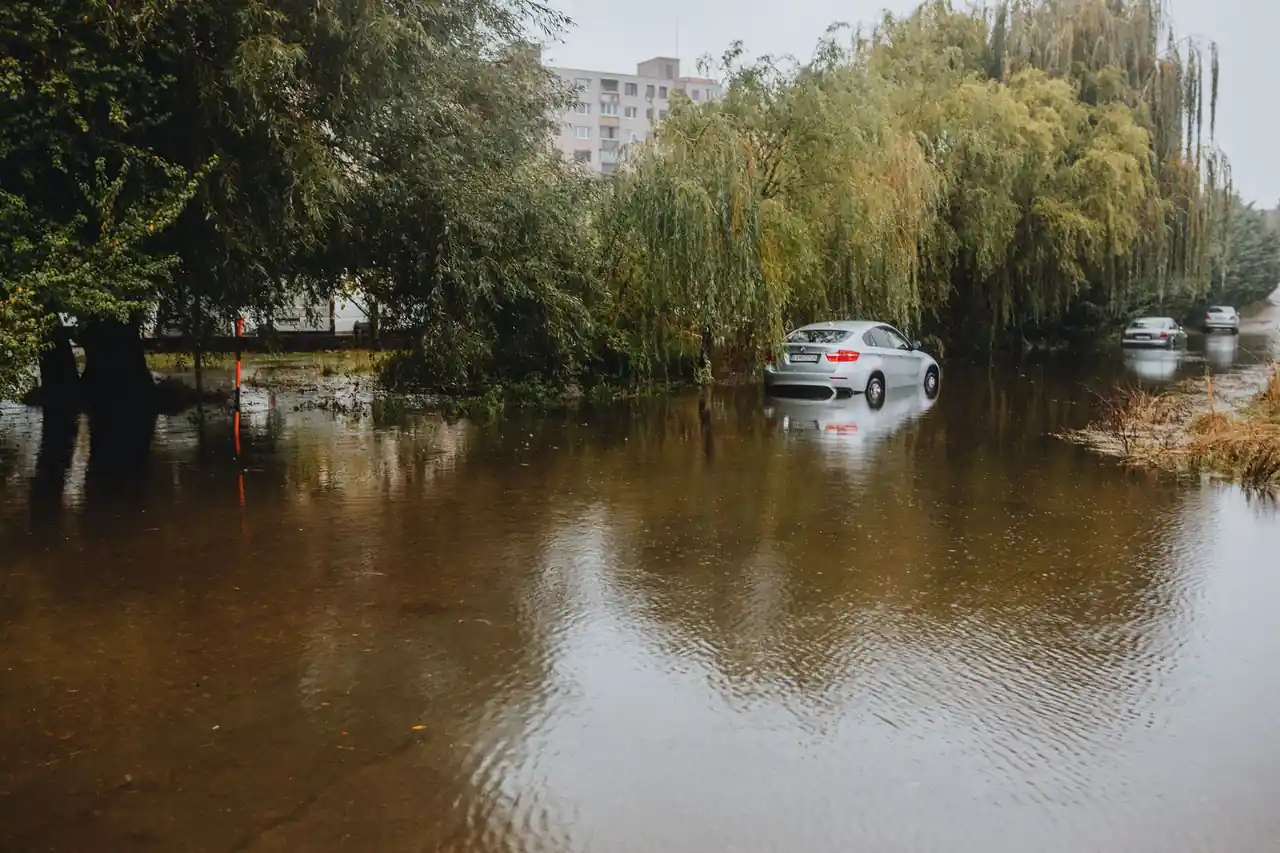
A sewage backup often floods a finished basement first. We pump, extract, and dry basement floors, walls, and stored contents, then sanitize the whole space before we set equipment back down.
View service
Emergency water removal covers the initial pump-out when water is still rising. We bring submersible pumps and truck-mounted extractors to get the volume down before we switch to sewage-specific treatment.
View service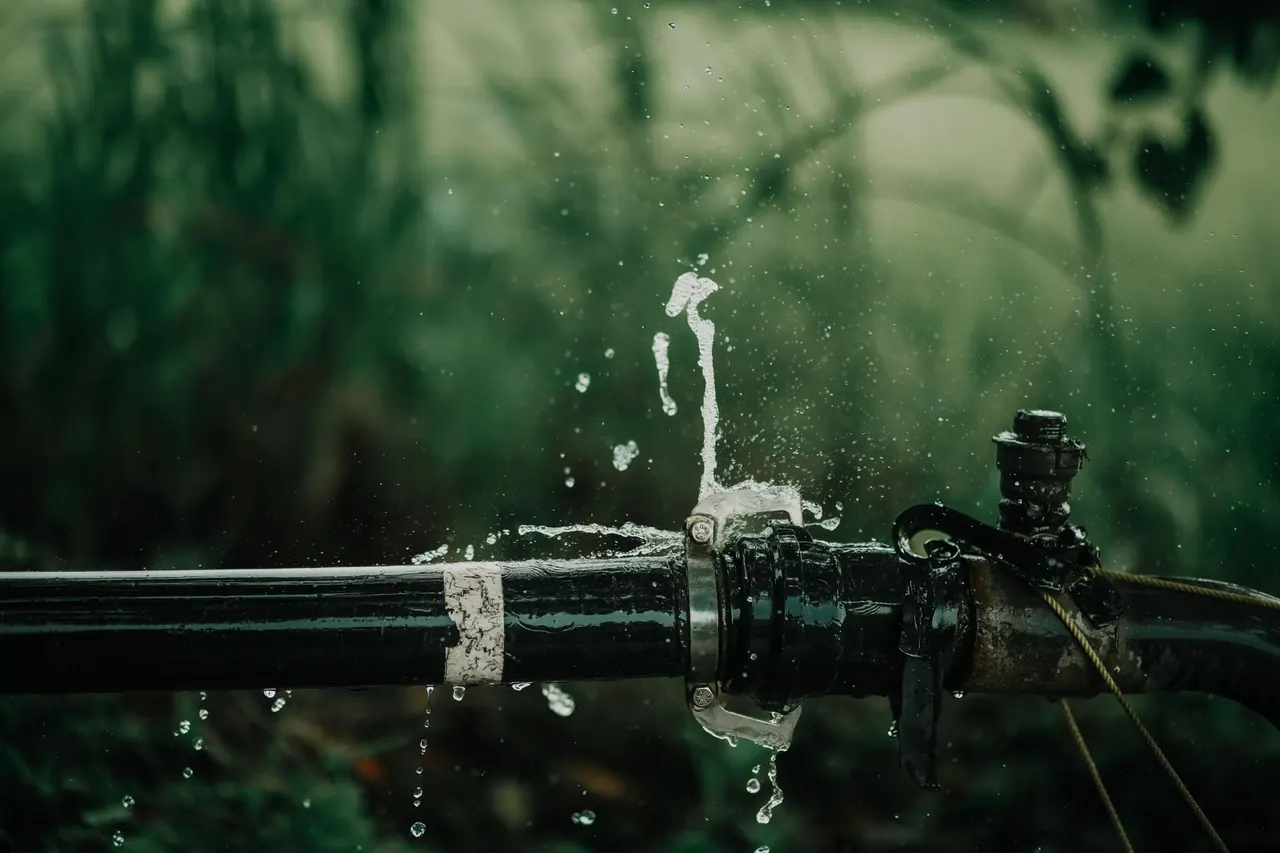
Our line is answered 24/7, and we dispatch crews day and night across Rocky Mount and Nash County. Call and we will ask a few questions about the source and the rooms affected, then give you a real arrival window. If you are not sure whether you need extraction, call anyway - we will tell you straight.