Focused arrival windows
Useful updates and clear arrival timing.
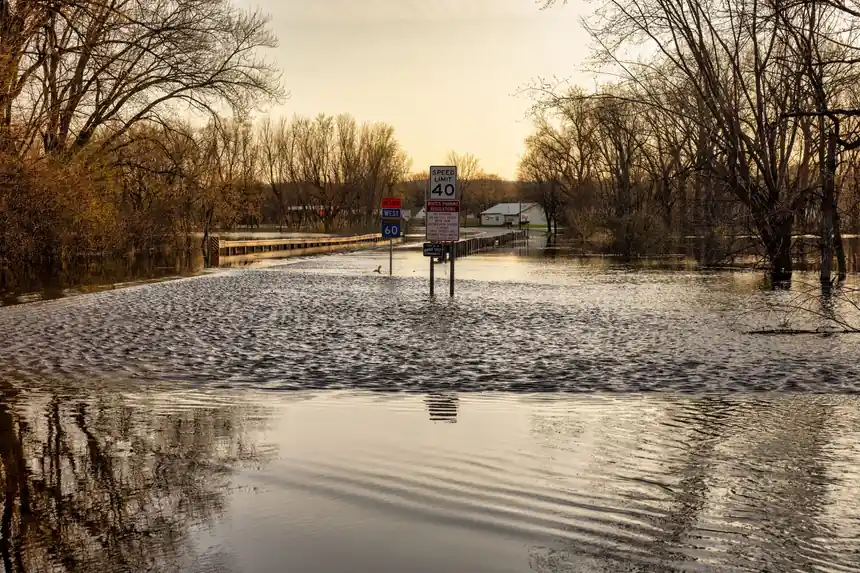
When water stains spread across your ceiling, you need Ceiling Water Extraction Rocky Mount NC fast. Our IICRC-certified team finds the source, extracts standing water, and dries your ceiling and attic before mold sets in. We serve homeowners and businesses across Rocky Mount, NC, with same-day ceiling water removal in Rocky Mount. Call now and we'll be on our way.
Useful updates and clear arrival timing.
Review the approach and price before deciding.
Equipped vehicles and respectful cleanup.
Neighbors serving neighbors with follow-through.
Every ceiling water extraction job includes a full inspection, water removal, drying setup, and documentation. We don't nickel-and-dime you for equipment or after-hours calls. Here's what you get when you hire us.
We use thermal imaging cameras and moisture meters to map every wet area in your ceiling, attic, and walls. You get a clear report of what's wet and how far the water traveled before we start extraction.
Our truck-mounted water extractors and portable units remove standing water from ceiling cavities, insulation, and framing. We use weighted extraction tools for tight spaces and submersible pumps for attic pools.
We place Dri-Eaz dehumidifiers and B-Air air movers to dry the structure. If water reached your subfloor, we install a floor drying mat system. Equipment runs 3 to 5 days with daily moisture monitoring.
After extraction, we apply antimicrobial solution to ceiling cavities and framing to prevent mold growth. This is especially important in Rocky Mount's humid climate, where mold can start within 24 hours.
We photograph moisture readings, log equipment placement, and prepare a scope using Xactimate. You get a complete package to submit to your insurance company, which speeds up claim approval.
Share what is happening and receive a clear next step from the local team.
Ceiling Water Extraction Rocky Mount NC is the process of removing trapped water from ceilings, attics, and the structural cavities above them after a leak, burst pipe, or roof failure. Water pools in insulation, drywall, and joists, so we use thermal imaging cameras and moisture meters to map every wet pocket before we cut or drill. Then truck-mounted water extractors and portable units pull the bulk water out, and we set air movers and dehumidifiers to dry the framing. Skipping this step lets water wick into walls and floors, turning a two-day job into a two-week rebuild.
In Rocky Mount, ceiling leaks spike after summer storms and winter freezes. Older homes near Downtown and Mill Village often have original plumbing that fails at joints, while newer builds in Northgreen and Stoneybrook deal with HVAC condensation and roof flashing leaks. If you search for ceiling water extraction in Rocky Mount NC near me, you need a crew that knows these local failure points. We handle everything from a slow drip above a bedroom to a full ceiling collapse in a commercial space, and we document every step for your insurance claim.

You call, we answer. We ask where the leak is, how long it's been active, and whether the ceiling is sagging. That tells us what equipment to load. We give you an arrival window and stay on the line with safety instructions, like shutting off the water supply if a pipe burst is the cause.
Our IICRC WRT technician walks the space with a thermal imaging camera and moisture meter. We check the ceiling, attic, walls, and floor below. You get a clear picture of how far the water traveled and what needs extraction. This takes 20 to 30 minutes on a typical residential job.
We deploy truck-mounted water extractors for high-volume removal, then switch to portable units and weighted extraction tools for tight ceiling cavities. A submersible pump handles any standing water in the attic. We work in sections, checking moisture levels as we go, so nothing gets missed.
Once the bulk water is out, we set air movers and dehumidifiers to dry the framing, drywall, and insulation. We use a floor drying mat system when water reached the subfloor. Equipment runs 3 to 5 days, and we monitor readings daily with a hygrometer and infrared thermometer.
We don't pack up until moisture levels match dry-standard baselines. You get a final report with before-and-after readings, photos, and equipment logs. If any material can't be saved, we tell you upfront and coordinate with your insurance adjuster. Most jobs wrap in under a week.
High-capacity extraction for large ceiling leaks and flooded attics. Removes hundreds of gallons quickly.
Detects hidden moisture behind ceiling drywall and in wall cavities without demolition.
Measures moisture content in drywall, wood, and air to confirm drying progress.
Pulls moisture from the air to dry ceiling cavities and prevent secondary damage.
Circulates air across wet surfaces to speed evaporation and drying.
Presses water out of carpet and padding below ceiling leaks.
Dries subfloors and hardwood without causing warping or buckling.
The industry standard for water damage restoration. We follow it for every ceiling water extraction job, from moisture mapping to final drying verification.
We use infrared cameras to see temperature differences caused by moisture. This lets us find hidden water behind ceilings and walls without cutting into them.
When water is trapped above a sagging ceiling, we drill small holes to relieve pressure and allow extraction. This prevents a full collapse and lets us dry the cavity.
After extraction, we apply EPA-registered antimicrobial solution to ceiling cavities and framing. This prevents mold growth in Rocky Mount's humid climate.

We tarp the roof if needed, extract water from the ceiling and attic, and set drying equipment. We work with your roofer to fix the source before we finish drying. Your ceiling dries in 3 to 5 days, and you avoid mold and structural damage. We document everything for your insurance claim.
We clear the line, extract water from the ceiling cavity, and dry the drywall and insulation. We use moisture meters to confirm the ceiling is dry before we leave. You avoid a ceiling replacement and mold growth. The repair is covered by most homeowner policies.
We extract the water, sanitize the area with antimicrobial solution, and dry the ceiling and subfloor. We check for hidden moisture in walls and flooring. Your ceiling and floor dry without warping or odor. We provide documentation for your insurance claim.
We work after hours to extract water, set drying equipment, and minimize disruption. Our truck-mounted extractors handle large volumes quickly. Your business reopens the next morning with drying equipment in place. We monitor moisture daily until the ceiling is dry.
Rocky Mount's climate swings from humid summers to freezing winters, and both extremes cause ceiling leaks. Summer storms drive rain through aging roof flashing, while winter freezes burst pipes in attics. Older homes near Downtown and Mill Village often have original galvanized plumbing that fails at joints, and newer builds in Northgreen and Stoneybrook deal with HVAC condensation and roof leaks. We know these local patterns, so we stock the right equipment for each scenario. When you call for water removal from ceiling Rocky Mount NC, we arrive with truck-mounted extractors, submersible pumps, and drying equipment sized for your home. We also follow North Carolina building codes for any repairs, and we work with local insurance adjusters who know our documentation. Whether you're in ZIP 27803, 27804, or 27801, we're your neighbors.
Historic homes with original plumbing and flat roofs that are prone to ponding and leaks.
Older mill houses with galvanized pipes that corrode and burst, often causing ceiling leaks.
Newer construction with HVAC systems in attics, where condensation line clogs are common.
Two-story homes where upstairs bathroom leaks travel quickly to first-floor ceilings.
Heavy rain overwhelms roof flashing and causes ceiling leaks. We see a spike in calls from June through September.
Temperatures below 28°F for more than six hours can freeze pipes in attics. When they thaw, water pours through ceilings.
Rocky Mount's average humidity is 70% or higher. Wet ceiling cavities can grow mold in 24 to 48 hours, so fast extraction is critical.
A pipe burst in the attic of a 1920s home near Downtown Rocky Mount. Water soaked the ceiling drywall and insulation, causing a large sag and water stains across two rooms.
We extracted 40 gallons of water, dried the ceiling cavity in four days, and replaced only the damaged drywall section. The homeowner avoided a full ceiling replacement and mold remediation.
Maintenance: We recommended insulating attic pipes and installing a water leak detector. The homeowner also scheduled annual plumbing inspections to catch corrosion early.
A clogged HVAC condensation line soaked the ceiling in a Northgreen home over several weeks. The drywall was soft, and mold was starting to grow on the paper backing.
We cleared the line, extracted water from the ceiling cavity, applied antimicrobial solution, and dried the area in three days. The drywall was saved, and mold testing came back clear.
Maintenance: We showed the homeowner how to flush the condensation line monthly and recommended a float switch to shut off the HVAC if the line clogs again.
A summer storm tore flashing from a commercial building in South Rocky Mount. Water poured through the ceiling above a retail space, soaking tiles, insulation, and inventory.
We tarped the roof, extracted 120 gallons of water, and dried the ceiling and subfloor in five days. The business reopened the next morning with drying equipment running.
Maintenance: We coordinated with a roofer to replace the flashing and recommended annual roof inspections before storm season.
Ceiling leaks don't fix themselves. Here are the most common problems we see and how we solve them.
Stains mean water is actively pooling above the drywall. Ignoring it leads to sagging, collapse, and mold growth that can cost thousands to remediate. We find the source with thermal imaging, extract the trapped water, and dry the ceiling cavity. If the drywall is salvageable, we dry it in place. If not, we remove and replace it as part of the repair.
A sagging ceiling is a structural warning. The drywall can collapse under the weight, and the water behind it is feeding mold and rot in the joists above. We relieve the pressure by extracting water through controlled drain holes, then use truck-mounted extractors to remove the bulk. After drying, we assess the joists and drywall for repair or replacement.
A musty smell means mold is already growing in the ceiling cavity or insulation. Left alone, it spreads through your HVAC system and affects indoor air quality. We locate the mold with moisture meters and thermal cameras, extract any remaining water, apply antimicrobial solution, and dry the area. If mold is extensive, we coordinate with a licensed remediator.
A burst pipe can release hundreds of gallons into your ceiling and attic in minutes. The water damages insulation, drywall, and framing, and can short electrical fixtures. We shut off the water, extract it with truck-mounted units, and dry the structure. We also check for hidden moisture in walls and floors. Our team is available 24/7 for emergency pipe burst water extraction.
$500 - $2,500 depending on scope
Ceiling water extraction cost in Rocky Mount, North Carolina depends on how much water is trapped, how many rooms are affected, and whether mold treatment is needed. Most residential jobs run $500 to $2,500. A small ceiling leak might cost $500 to $900, while a burst pipe that floods an attic and ceiling across multiple rooms can reach $2,500 or more. We provide a written estimate before we start, and we bill your insurance directly when coverage applies. Our pricing is transparent, with no hidden fees for equipment or after-hours calls.
Fast ceiling water extraction prevents mold, structural damage, and costly repairs. The $500 to $2,500 you spend now can save you $10,000 or more in reconstruction and mold remediation later.
A single small ceiling leak costs less than a burst pipe that floods an entire attic. More water means more extraction time and more drying equipment.
If water traveled from the ceiling into walls and floors, we need to dry multiple areas. Each additional room adds equipment and monitoring time.
If mold is already growing, we apply antimicrobial solution and may need to remove contaminated materials. This adds cost but prevents a larger remediation job.
Ceilings with limited attic access or heavy insulation take longer to inspect and extract. We use specialized tools to minimize demolition.
Most homeowner policies cover sudden ceiling water damage, like a burst pipe. We document everything and bill your insurer directly to reduce your out-of-pocket cost.

Water Recovery Network has handled ceiling water extraction across Nash County and the Rocky Mount area for years. Our technicians hold IICRC WRT, ASD, and AMRT certifications, and we follow the ANSI/IICRC S500 Standard for every job. We've extracted water from ceilings damaged by burst pipes, roof leaks, HVAC condensation, and storm-driven rain. We know the building stock here, from historic Downtown homes to newer construction in West Haven, and we know how water behaves in each. When you call, you get a crew that's already solved your problem a hundred times.
A pipe burst in my attic at 11 p.m. and water was pouring through the ceiling by midnight. Water Recovery Network showed up in 40 minutes. They extracted the water, set up dryers, and had my ceiling dry in four days. The insurance paperwork they gave me made the claim easy. Highly recommend.
My HVAC condensation line clogged and soaked the ceiling in my hallway. I called three other companies before Water Recovery Network. They were the only ones who answered on a Sunday. The technician used a thermal camera to find all the wet spots and saved my drywall. Fair price, no surprises.
We had a roof leak that damaged ceilings in two units. Water Recovery Network handled both in one day. They were professional, cleaned up after themselves, and worked directly with our insurance adjuster. I've used them twice since for other properties. They're my go-to for ceiling water removal in Rocky Mount.
Most residential ceiling water extraction jobs in Rocky Mount run $500 to $2,500, depending on how much water is trapped and how many rooms are affected. A single small ceiling leak might cost $500 to $900, while a burst pipe that floods an attic and ceiling across multiple rooms can reach $2,500 or more. We provide a written estimate before work begins, and we bill your insurance directly when coverage applies.
Common causes in Rocky Mount include roof flashing failures after storms, HVAC condensation lines backing up, and burst pipes in attics during winter freezes. Older homes near Downtown and Mill Village often have original plumbing that fails at joints. If you see a water stain spreading, shut off your water supply and call us. We'll find the source with thermal imaging and moisture meters, then extract the water before it reaches your walls.
The extraction itself usually takes 2 to 4 hours for a typical residential ceiling leak. Drying the structure takes 3 to 5 days with air movers and dehumidifiers running continuously. We monitor moisture levels daily and adjust equipment as needed. You can usually stay in your home during the process, though we may recommend avoiding the affected room while equipment is running.
Water Recovery Network provides 24/7 emergency ceiling water removal across Rocky Mount and Nash County. We answer the phone around the clock and dispatch a crew immediately. Our trucks carry truck-mounted water extractors, submersible pumps, and drying equipment, so we start work as soon as we arrive. Call +1 (252) 385-6067 for same-day service.
Not seeing your question? Our local team can help you understand urgency, scheduling and what to expect.
Ask the local team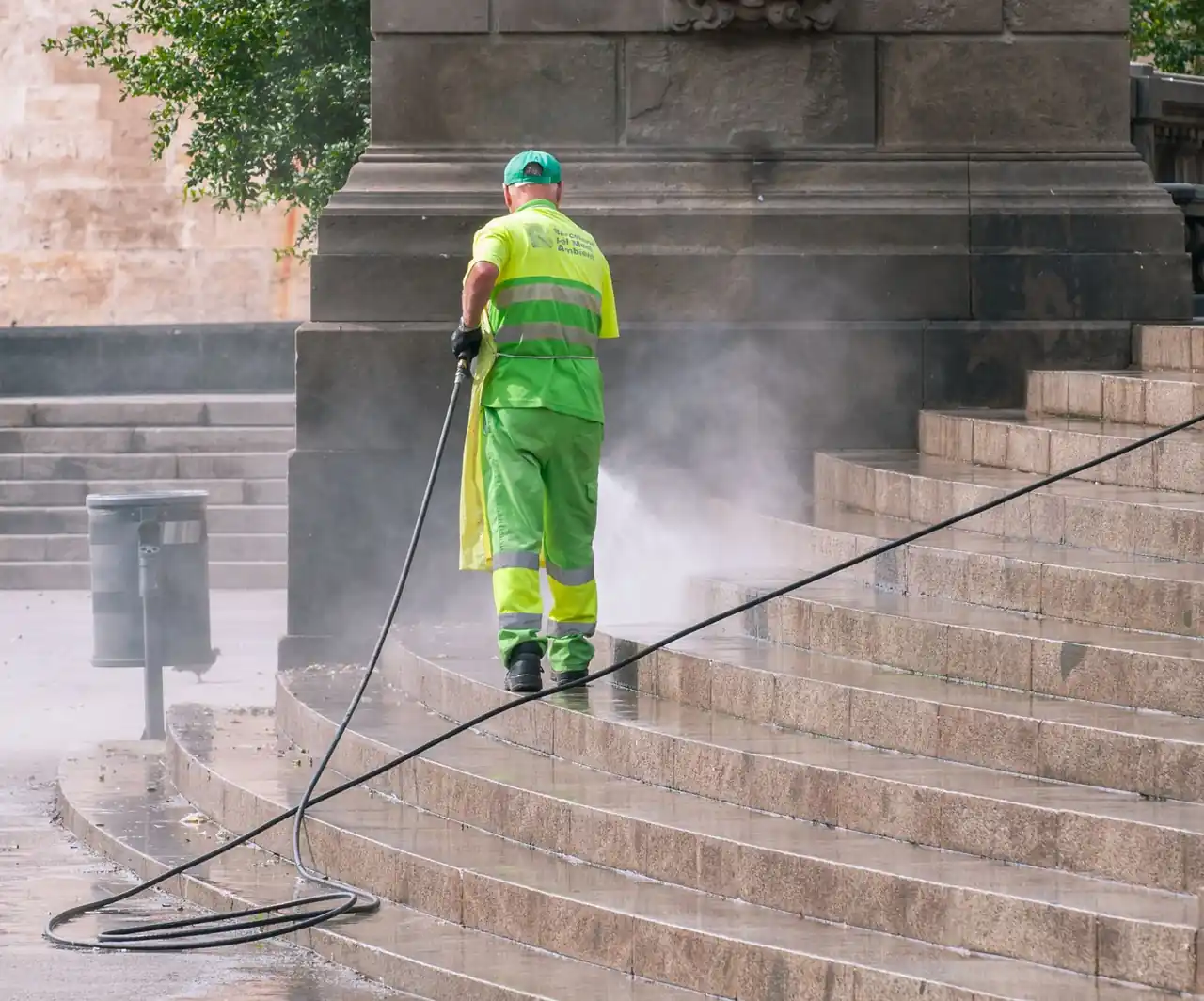
When water is actively pouring through your ceiling, every minute counts. Our emergency water extraction crew responds 24/7 across Rocky Mount to stop the flow, extract standing water, and prevent structural collapse. We handle burst pipes, roof leaks, and storm damage.
View service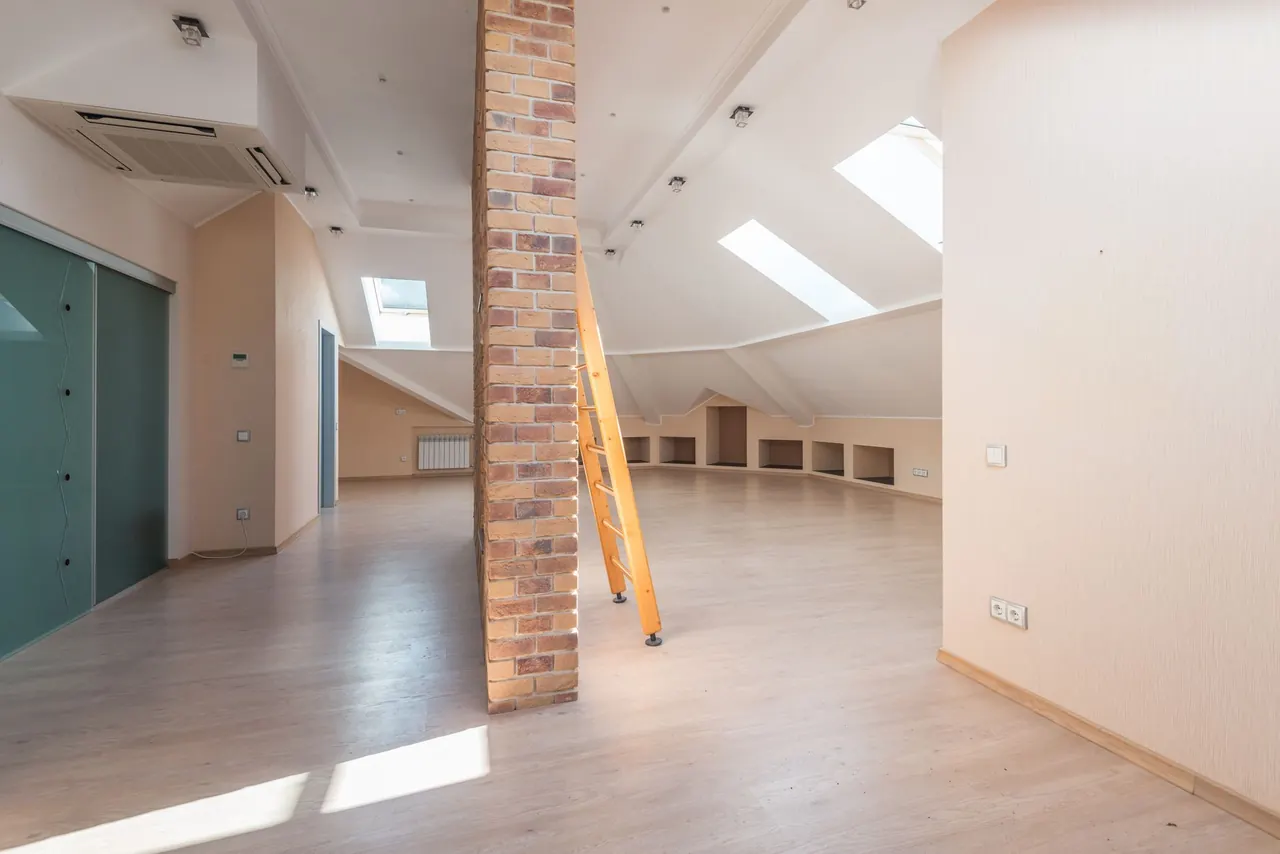
Ceiling water damage often spreads to walls, floors, and insulation. Our 24/7 water damage restoration service covers the full recovery, from extraction and drying to repairs and mold prevention. We work directly with your insurance company to streamline the claim.
View service
If your ceiling leak originated from a flooded basement or crawl space, we handle both. Our flooded basement water removal service uses submersible pumps and truck-mounted extractors to clear standing water fast, then we dry the space to prevent mold and structural damage.
View service
Ceiling leaks can escalate into full emergencies when water reaches electrical fixtures or causes sagging. Our emergency water removal team is on call 24/7 in Rocky Mount. We extract water, stabilize the ceiling, and set drying equipment to protect your home.
View service
Our line is answered 24/7, and we dispatch crews day and night across Rocky Mount and Nash County. Call and we will ask a few questions about the source and the rooms affected, then give you a real arrival window. If you are not sure whether you need extraction, call anyway - we will tell you straight.