Focused arrival windows
Useful updates and clear arrival timing.

Air Mover & Dehumidifier Rental Rocky Mount NC puts commercial drying equipment on your wet floor the same day you call. We serve homeowners, landlords, and property managers dealing with pipe bursts, flooded basements, and storm damage. Our team delivers air movers and dehumidifiers, sets them up, and monitors moisture until your structure is dry.
Useful updates and clear arrival timing.
Review the approach and price before deciding.
Equipped vehicles and respectful cleanup.
Neighbors serving neighbors with follow-through.
Every rental includes delivery, setup, daily monitoring, and pickup. We also provide the moisture readings you need for insurance. Here is what you get when you rent from us.
We bring the air movers and dehumidifiers to your Rocky Mount address, carry them inside, and position them for optimal airflow. We connect drain hoses and check that every unit runs before we leave.
A technician returns every 24 hours with a moisture meter and hygrometer. We log readings, adjust equipment placement, and tell you how the drying is progressing. You get a written record at the end.
We supply commercial-grade units from Dri-Eaz, Phoenix Restoration Equipment, and B-Air. Each air mover pushes 2,500 to 3,000 CFM. Dehumidifiers pull 70 to 150 pints per day, depending on the model and the job.
We include extraction hoses, absorbent pads, and plastic sheeting when needed. For crawl spaces, we bring a desiccant dehumidifier and sump pump hoses. You do not need to buy anything extra.
When the job is done, we provide a report with daily moisture readings, equipment logs, and photos. This document is formatted for Xactimate and accepted by major insurance carriers serving Nash County.
Share what is happening and receive a clear next step from the local team.
Air Mover & Dehumidifier Rental Rocky Mount NC is a drying equipment service that places high-velocity air movers and refrigerant or desiccant dehumidifiers inside wet buildings to pull moisture out of floors, walls, and subfloors. We pair each setup with a moisture meter and hygrometer reading so you know exactly where the drying stands. Air movers push 2,500 to 3,000 CFM across wet surfaces while dehumidifiers pull 70 to 150 pints of water per day from the air.
Rocky Mount sits in Nash County along the Tar River, where a pipe burst, roof leak, or sump pump failure can soak a crawl space or finished basement fast. We bring truck-mounted water extractor units and portable water extraction units to pull standing water first, then leave drying equipment behind. If you search for air mover and dehumidifier rental in Rocky Mount at 2 a.m. after a toilet overflow, we answer and roll.
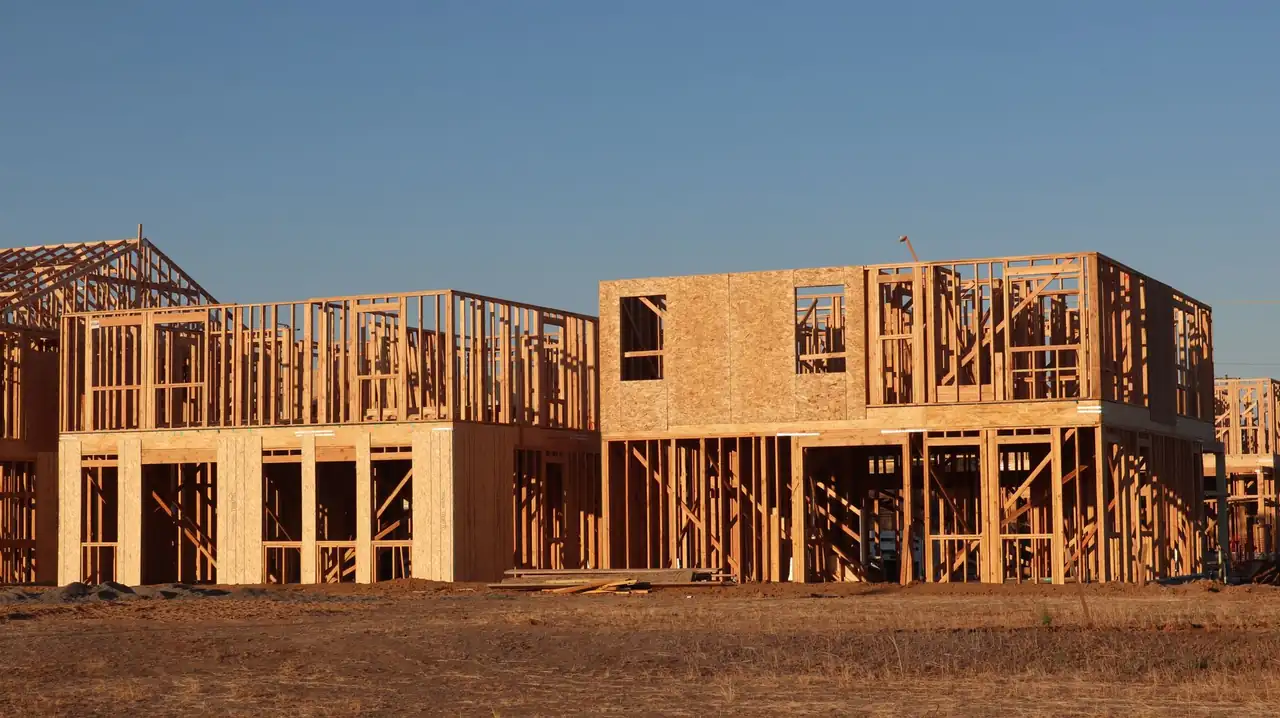
You call us at +12523856067 and describe the water problem. We ask about the source, the square footage, and whether the water is clean or contaminated. Within 60 minutes we have a technician on site with a moisture meter and infrared thermometer to map the wet area.
Before any drying equipment goes down, we pull standing water with a truck-mounted water extractor or submersible pump. For carpet and pad, we use a weighted extraction tool. This step usually takes 1 to 3 hours depending on volume, and it cuts drying time dramatically.
We place air movers every 10 to 16 feet along walls, angled to create a vortex that lifts moisture off the floor and into the air stream. In a 500-square-foot room, that means 4 to 6 air movers. We check each unit with a hygrometer before we leave.
We position a Dri-Eaz or Phoenix Restoration Equipment dehumidifier in the center of the wet zone and run a drain hose to a sink or sump pump. For crawl spaces, we use a desiccant dehumidifier that works in cooler temperatures. We set the target relative humidity at 40 to 50 percent.
We return every 24 hours to log moisture readings. A typical job runs 3 to 5 days. Once the moisture meter reads dry on all materials, we remove the equipment, clean the dehumidifier filters, and give you a final report you can hand to your insurance adjuster.
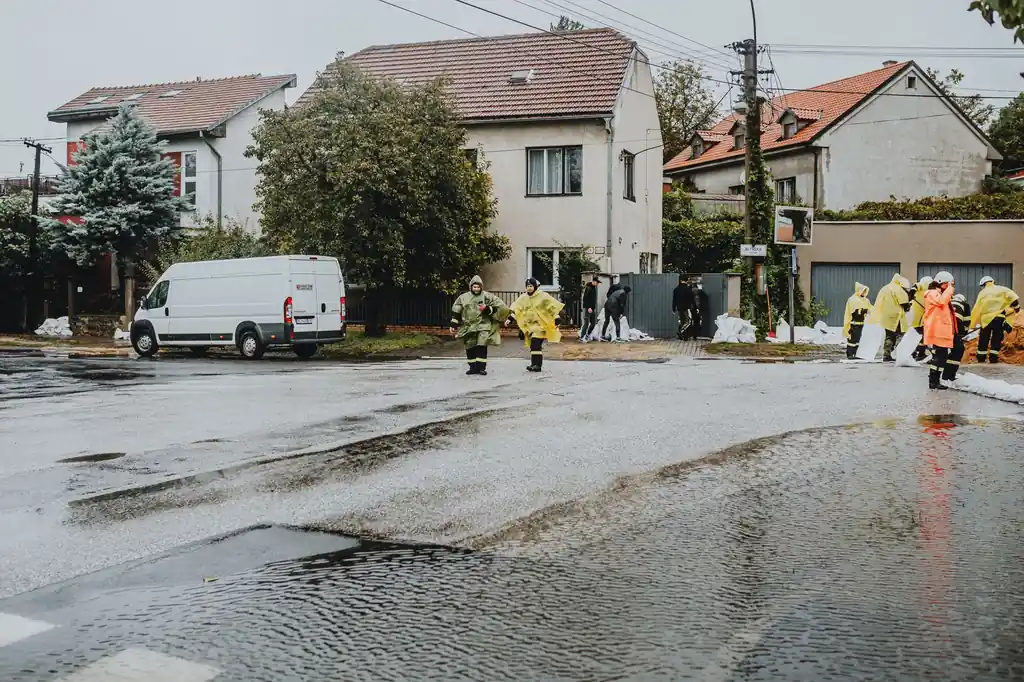
High-velocity fans that push 2,500 to 3,000 CFM across wet floors and walls to evaporate moisture into the air stream.
Refrigerant and desiccant units that pull 70 to 150 pints of water per day from the air, keeping humidity below 50 percent.
We use these to measure moisture content in drywall, wood, and concrete, and to track relative humidity in the drying chamber.
Reveals hidden water behind walls and under floors without cutting into the structure, so we place equipment exactly where it is needed.
Pulls hundreds of gallons of standing water fast. We use it before setting air movers to remove the bulk of the water.
For hardwood and subfloor drying, these mats pull moisture out of the wood slowly to prevent cupping and warping.
Used in flooded basements and crawl spaces to remove standing water before we set drying equipment.
We follow this standard for water damage drying. It tells us how many air movers and dehumidifiers to place based on the size of the wet area, the material type, and the class of water loss.
We take temperature and relative humidity readings daily to calculate the drying potential of the air. If the numbers stall, we adjust equipment or add more units.
For Category 3 water like sewage backup, we set up plastic sheeting containment and apply antimicrobial solution to affected framing before we start drying.
We log every moisture reading, photograph the setup, and provide a final report formatted for Xactimate. Your insurance adjuster gets the data they need to approve the claim.
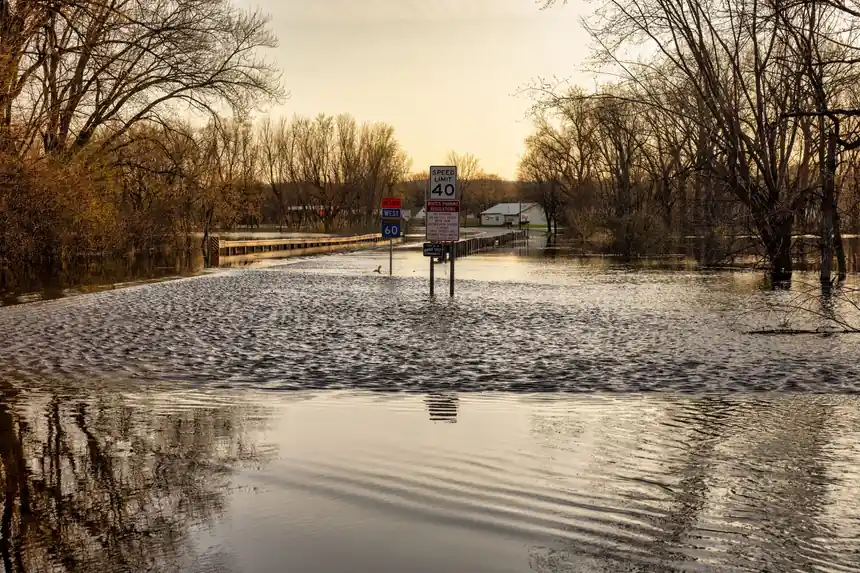
We respond 24/7, shut off the water if needed, extract with a portable water extraction unit, and set air movers and a dehumidifier. We also check the walls with a moisture meter. Your kitchen floor and cabinets dry in 3 days instead of warping over two weeks.
We pump out the standing water with a submersible pump, remove any wet boxes, and set up 8 air movers and 2 dehumidifiers. We monitor humidity levels daily. The basement is dry in 4 days, and you avoid a mold problem that would cost thousands to fix.
We extract the water, lift the vinyl flooring if needed, and place air movers to dry the subfloor. A dehumidifier pulls moisture from the air. The subfloor dries in 2 days, and you can reinstall flooring without replacing it.
We handle the extraction, set drying equipment, and coordinate with the tenant. We provide documentation for your insurance claim and monitor until dry. The unit is back to rent-ready condition in 3 days, and you avoid a costly mold remediation.
Rocky Mount's climate swings from humid summers to cold, wet winters, and that matters for drying equipment. In October, we are often drying homes after fall storms or early-season pipe bursts. The Tar River runs through Nash County, and low-lying neighborhoods like Riverside and Mill Village see crawl space water intrusion when the water table rises. Many homes here were built before 1980, with pier-and-beam foundations and original hardwood floors. Those materials need slower drying with a floor drying mat system and lower-velocity air movers to prevent cupping. We also check for lead paint before we cut into walls in older homes, and we follow EPA Lead-Safe Certification rules. If you need dehumidifier rental Rocky Mount NC homeowners trust, we size the equipment to your specific house, not a generic formula. We know the building stock in Downtown Rocky Mount, West Haven, and Northgreen, and we adjust our drying plan accordingly.
Many commercial buildings and older homes with plaster walls. Plaster dries slower than drywall, so we use lower-velocity air movers and longer drying times.
Historic mill homes with pier-and-beam foundations. Crawl space water intrusion is common, and we often use a desiccant dehumidifier in these spaces.
Close to the Tar River, this neighborhood sees water table rises after heavy rain. Sump pump failure is a frequent call, and we keep submersible pumps ready.
A mix of ranch-style homes and newer builds. Pipe bursts in winter are common, and we respond with truck-mounted extraction and same-day equipment delivery.
Drying takes longer because the air already holds moisture. We run dehumidifiers continuously and may add a second unit to hit our target humidity.
Hardwood needs slow drying to prevent cupping. We use a floor drying mat system and monitor moisture content daily until it reaches normal levels.
Moisture lingers in crawl spaces. We use desiccant dehumidifiers that work in cooler temperatures and run air movers to dry joists and insulation.
When temperatures drop below freezing, pipes in unheated spaces burst. We extract the water fast and set drying equipment before the next cold snap.
A supply line burst under the kitchen sink overnight. Water spread across 400 square feet of hardwood and soaked the lower cabinets. The homeowner called us at 6 a.m.
We extracted 15 gallons of water, set 4 air movers and 1 dehumidifier, and dried the hardwood over 5 days. Moisture readings dropped from 28 percent to 9 percent. The floor did not cup.
Maintenance: We recommended a water alarm under the sink and annual inspection of supply lines. The homeowner now checks under the sink monthly.
A sump pump failed during a fall storm, leaving 3 inches of water in a 600-square-foot finished basement. Carpet and drywall were soaked, and humidity was at 85 percent.
We pumped out the water, removed the carpet and pad, and set 6 air movers and 2 dehumidifiers. After 4 days, humidity dropped to 42 percent and the drywall was dry.
Maintenance: We installed a new sump pump and a battery backup. The homeowner tests the pump every quarter before storm season.
A roof leak during a storm soaked the attic insulation and stained the ceiling in two rooms. The homeowner noticed the stain but did not know the attic was wet.
We used a thermal imaging camera to trace the leak, removed wet insulation, and set 3 air movers in the attic and 1 dehumidifier below. The structure dried in 3 days.
Maintenance: We recommended a roof inspection and repair. The homeowner now checks the attic after every major storm.
We see the same water damage scenarios across Rocky Mount every week. Here are the most common, and how we fix them with air movers and dehumidifiers.
Standing water soaks drywall, carpet, and framing. Mold can start in 24 hours, and the repair bill climbs fast. We extract the water with a truck-mounted unit, remove wet carpet and pad, and set 6 to 8 air movers plus 2 dehumidifiers. We monitor daily and dry the basement in 3 to 4 days.
Water rises in the crawl space or basement within hours. Insulation and joists stay wet, leading to rot and musty odors. We pump out the water with a submersible pump, then install a desiccant dehumidifier and air movers. We check the sump pump and discharge line before we leave to prevent a repeat.
Water travels along rafters and drips into insulation. By the time you see the stain, the attic framing is already wet. We use a thermal imaging camera to trace the leak, extract water from the ceiling, and set air movers in the attic and dehumidifiers below. We dry the structure in 3 to 5 days.
Category 3 water contaminates the subfloor and nearby walls. Without fast drying, bacteria and mold spread. We contain the area with plastic sheeting, extract the water, apply antimicrobial solution, and set air movers and a dehumidifier. The subfloor dries in 2 to 3 days.
$450 - $1,850 depending on scope and duration
Typical 2026 pricing in Rocky Mount runs $35 to $65 per day per air mover and $75 to $125 per day per dehumidifier, plus a setup fee. A standard 3-day job in a 500-square-foot room costs $450 to $850 total. The price depends on how many units you need, how long the job runs, and whether we handle extraction first. We give you a written estimate before we unload anything, and daily monitoring is included. If you need air mover rental services North Carolina homeowners can afford, we keep our rates competitive and transparent.
Renting professional drying equipment costs a fraction of replacing a moldy subfloor or warped hardwood. Our pricing includes delivery, setup, daily monitoring, and pickup, so there are no surprise charges.
A larger area needs more air movers and dehumidifiers. A 1,200-square-foot basement might need 8 air movers and 2 dehumidifiers, while a bathroom needs 2 and 1.
Most jobs run 3 to 5 days. Hardwood floors and concrete slabs can take 7 to 10 days. We charge per day, so a longer job costs more.
Category 1 water from a clean pipe burst is simpler. Category 3 water from sewage backup requires containment, antimicrobial solution, and more equipment, which raises the cost.
If standing water is present, we need to extract it before setting drying equipment. This adds a step and a fee, but it cuts drying time significantly.
A crawl space or attic takes longer to set up than a ground-floor room. We factor in the labor and any special equipment like a desiccant dehumidifier.

A pipe burst under our kitchen sink at 11 p.m. Water Recovery Network had a truck here in 40 minutes. They extracted the water, set four air movers and a dehumidifier, and checked readings every day for four days. The floor dried without cupping. They even gave us a report for our insurance.
We manage six rental units near Downtown Rocky Mount. When a tenant's toilet overflow soaked two rooms, Water Recovery Network delivered dehumidifiers and air movers the same afternoon. They monitored the job daily and picked up the equipment on time. Our repair costs were lower because they dried it right.
Storm damage flooding put two inches of water in our fellowship hall. The crew from Water Recovery Network pumped it out, set up eight air movers and two dehumidifiers, and worked around our Sunday schedule. The hall was dry in four days. They were professional and kept us informed the whole time.
Most residential jobs run $35 to $65 per day per air mover and $75 to $125 per day per dehumidifier, plus a setup fee. A typical 3-day drying job in a 500-square-foot room costs $450 to $850 total. We give you a written estimate before we unload equipment, and the price includes daily monitoring.
You can rent a commercial dehumidifier directly from us. We deliver Dri-Eaz and Phoenix Restoration Equipment units to your door, set them up, and monitor them daily. We serve all of Rocky Mount, including ZIP codes 27803, 27804, and 27801. Call +12523856067 and we will have a unit on site the same day.
Run air movers continuously for 3 to 5 days on a typical water loss. The exact time depends on the material. Drywall dries in 2 to 3 days, hardwood floors take 4 to 7 days, and concrete slabs can take 7 to 10 days. We check moisture readings every 24 hours and tell you when to shut them down.
We do. Water Recovery Network provides 24/7 emergency air mover rental Rocky Mount homeowners and businesses can count on. We answer the phone around the clock, and our trucks carry air movers, dehumidifiers, and submersible pumps. Call +12523856067 and we will dispatch a technician immediately.
Not seeing your question? Our local team can help you understand urgency, scheduling and what to expect.
Ask the local team
We pull standing water with a truck-mounted water extractor before we set air movers. This step removes the bulk of the water and cuts drying time by a full day or more on most Rocky Mount jobs.
View serviceOur round-the-clock crew handles the full restoration, from extraction to drying to repairs. When you rent air movers and dehumidifiers from us, you get a team that can also replace damaged drywall and trim.
View service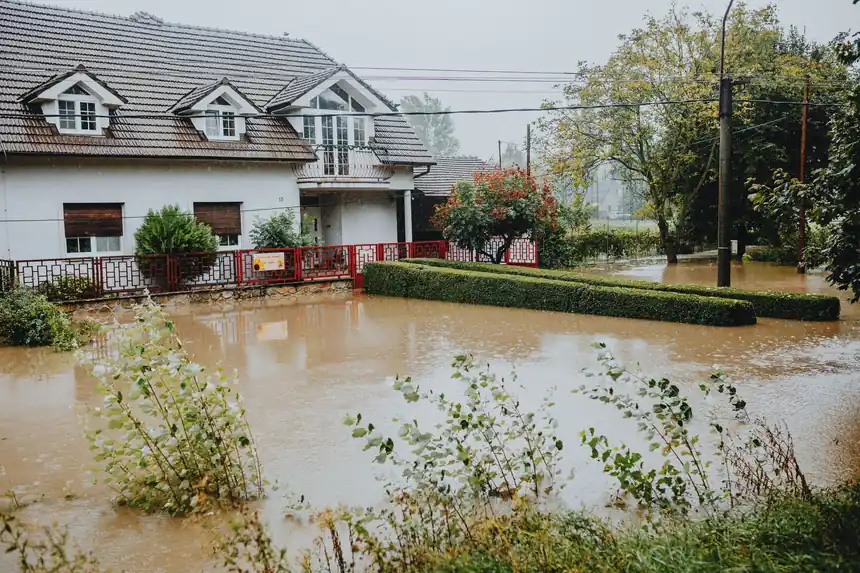
A flooded basement in Rocky Mount often needs a submersible pump and a portable water extraction unit. We remove the water, then leave dehumidifiers running to dry the concrete and framing before mold sets in.
View service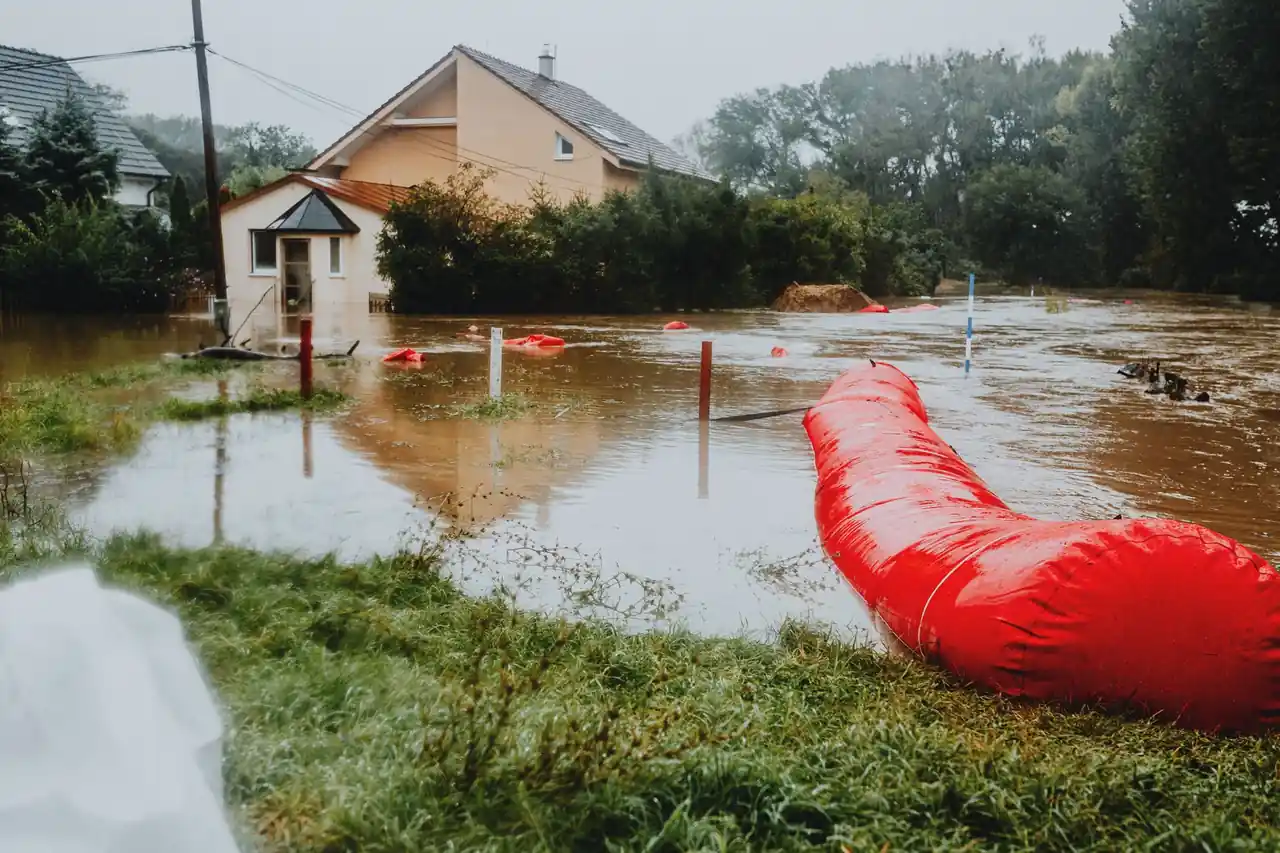
When a pipe burst or appliance leak dumps water on your floor, we respond in under an hour. We extract the water, set drying equipment, and monitor until your home is dry.
View serviceOur line is answered 24/7, and we dispatch crews day and night across Rocky Mount and Nash County. Call and we will ask a few questions about the source and the rooms affected, then give you a real arrival window. If you are not sure whether you need extraction, call anyway - we will tell you straight.