Focused arrival windows
Useful updates and clear arrival timing.
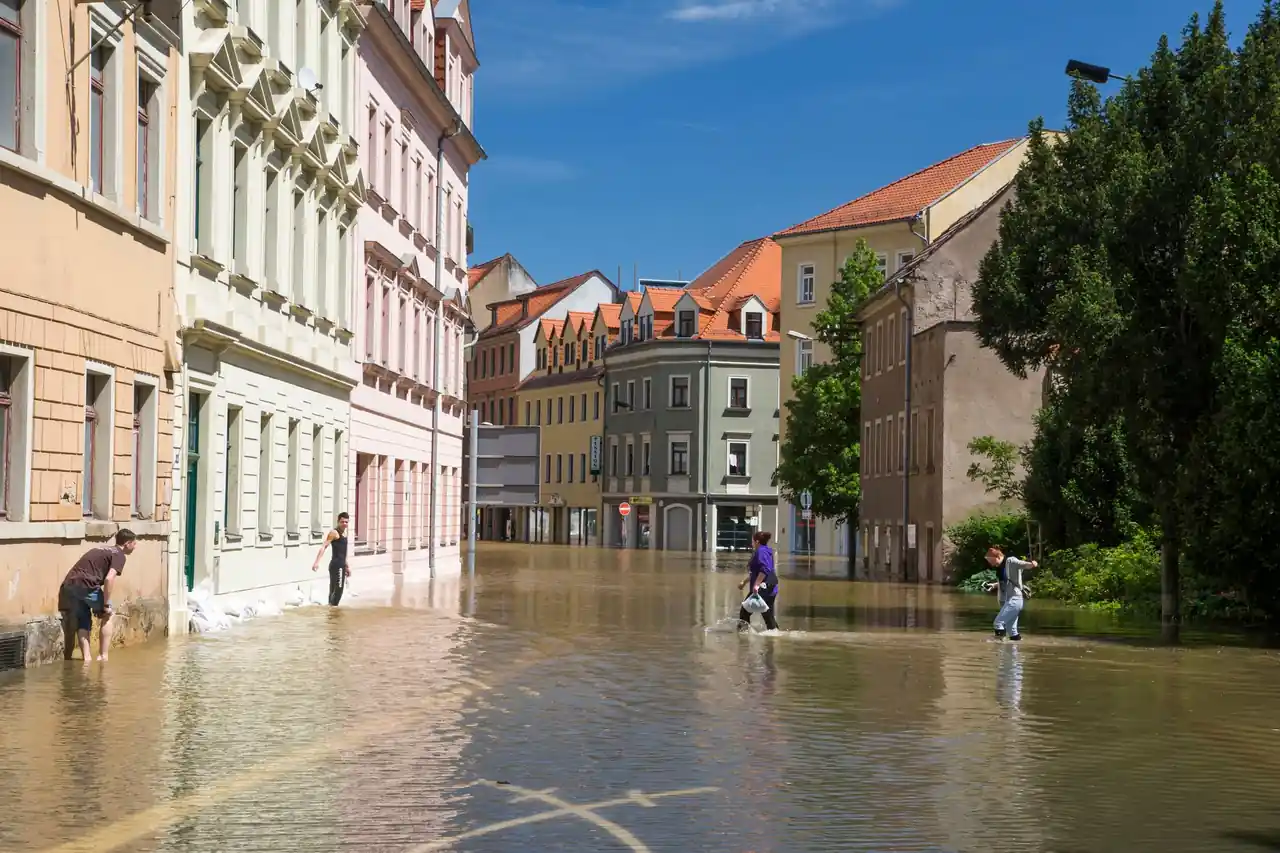
When water is trapped inside your walls, every hour counts. Our team delivers Wall Water Extraction Rocky Mount NC homeowners and business owners can count on - day or night. We use truck-mounted extractors, thermal imaging cameras, and moisture meters to find hidden water, pull it out, and dry the cavity before mold takes hold. If you're searching for wall water removal in Rocky Mount, we're ready now.
Useful updates and clear arrival timing.
Review the approach and price before deciding.
Equipped vehicles and respectful cleanup.
Neighbors serving neighbors with follow-through.
Every wall water extraction job includes the core steps to get your walls dry and safe. Here's what's covered and what may be an add-on depending on the damage.
We use a thermal imaging camera, moisture meter, and hygrometer to find every wet zone in the wall. You get a clear map of the damage before we cut anything.
We pull standing water from inside the wall using a truck-mounted extractor or portable unit. Access holes are small and placed to minimize drywall damage.
After extraction, we apply antimicrobial solution to the wet framing and drywall edges. This stops mold and bacteria from colonizing the cavity while it dries.
We set air movers and dehumidifiers to dry the wall cavity and surrounding materials. A floor drying mat system handles water that reached the subfloor.
We check moisture readings every day and adjust equipment until the wall hits dry standard. You get a written summary with photos at the end.
We document everything in Xactimate-compatible format - photos, readings, and extraction data. That makes your claim easier to file and more likely to be approved.
Share what is happening and receive a clear next step from the local team.
Wall Water Extraction Rocky Mount NC is the process of removing trapped water from inside wall cavities - behind drywall, insulation, and framing - using specialized extraction equipment and controlled drying. Water gets into walls through burst pipes, roof leaks, toilet overflows, and appliance failures. It doesn't drain on its own. We use a thermal imaging camera to map the moisture, then a truck-mounted water extractor or portable unit to pull standing water out through small access points. A moisture meter and hygrometer confirm the wall is dry before we close anything up.
In Rocky Mount, wall water intrusion shows up year-round. Summer storms push water through roof leaks and window seals. Winter freezes split copper pipes in older homes near Downtown Rocky Mount and Mill Village. We also see a lot of hidden wall water damage after slow appliance leaks that ran for weeks before anyone noticed. If you need water removal from walls Rocky Mount NC, call us at +1 (252) 385-6067 - we handle Nash County and all of Rocky Mount, NC.
You call +1 (252) 385-6067. We ask where the water is, how long it's been there, and whether the source is stopped. If it's a burst pipe, we walk you through shutting off the main. We dispatch a crew immediately - 24/7, including holidays.
A technician arrives and walks the affected area with a moisture meter, hygrometer, and thermal imaging camera. We mark wet zones on the wall and check adjacent rooms, floors, and ceilings. You get a clear picture of the damage before we start extracting.
We set up a truck-mounted water extractor or portable unit and pull water from the wall cavity through small access holes. For heavier saturation, we use a submersible pump or weighted extraction tool. Most residential wall extractions take two to four hours.
We place air movers and dehumidifiers to dry the wall cavity, framing, and surrounding materials. A floor drying mat system handles water that migrated to the subfloor. We check moisture readings daily and adjust equipment until the wall hits dry standard.
Before we pack up, we take final moisture readings and compare them to a dry baseline. You get a written summary with photos. If the wall needs patching or painting, we tell you what to schedule. We don't leave until the numbers say dry.
Pulls large volumes of water from wall cavities fast. We use it on heavy saturation jobs where a portable unit would take too long.
Finds hidden moisture behind drywall without cutting. It shows us exactly where the water is so we extract only what's wet.
Measures moisture content in drywall, framing, and air. We use these daily to track drying progress and confirm when the wall is dry.
Circulates air through the wall cavity to speed evaporation. We position them to dry the framing and drywall edges evenly.
Pulls moisture from the air so the wall can keep drying. Without dehumidification, the water just moves around the room.
Dries the subfloor when water has run down inside the wall. It saves finished flooring that would otherwise need to come out.
Removes standing water from wall cavities and low spots before we start extraction. We use it when water is too deep for a standard extractor.
The industry standard for water damage restoration. We follow it for extraction, drying, and documentation. It tells us how dry is dry and when to stop.
We scan the wall with an infrared camera to find temperature differences that indicate moisture. This lets us extract from the right spots without tearing out drywall unnecessarily.
If the drywall is too saturated to dry in place, we remove the affected section with a clean cut. We remove only what's wet and leave the rest intact.
After extraction, we apply antimicrobial solution to the wet framing and drywall edges. This stops mold and bacteria from growing while the cavity dries.
We take readings every day and log them. If the wall isn't drying fast enough, we add equipment. We don't guess - the numbers tell us when the job is done.
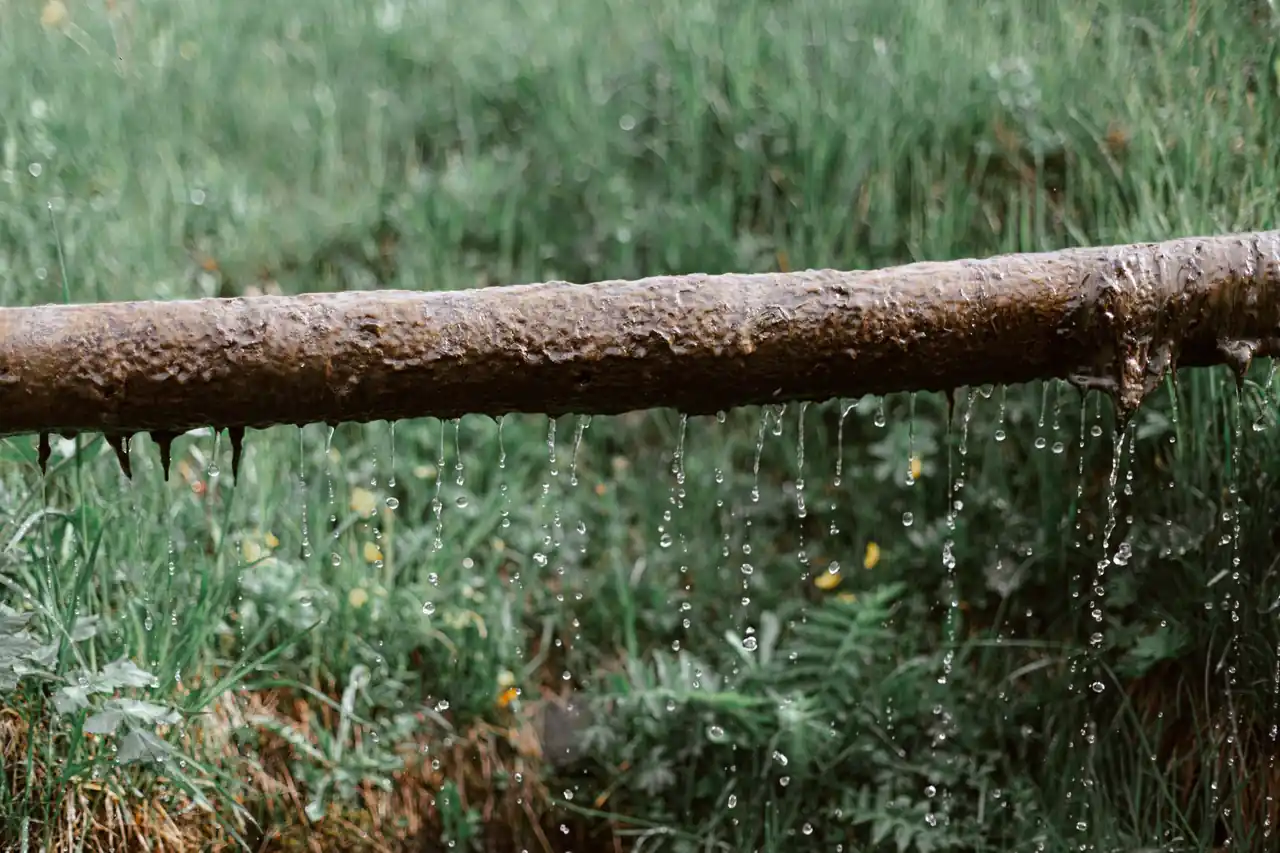
We dispatch immediately, shut off the water if you haven't, and extract from the wall cavity. We set drying equipment before we leave and check it daily until dry. Your kitchen wall is dry in three to four days, and you avoid a mold remediation job that would cost several thousand dollars.
We trace the leak upward, extract from the ceiling and wall, and document the source for your roofer or plumber. We dry both cavities in one setup. The stain stops spreading, the wall dries, and you have photos and readings to support your insurance claim.
We use thermal imaging to find the full wet zone, extract from the wall, and set a floor drying mat system for the subfloor. We check moisture daily. The baseboard and drywall are saved, the subfloor dries, and you avoid replacing the wall and floor.
We extract from the wall cavity, check the adjacent rooms and floor, and set up drying equipment. We document the storm damage for your insurance adjuster. The wall dries in three to five days, and your claim includes the full scope of damage.
Rocky Mount sits in Nash County, and our local conditions shape how wall water extraction works here. Summer thunderstorms push water through roof leaks and window seals in older homes near Downtown Rocky Mount and Mill Village. Winter freezes split pipes in crawl spaces and exterior walls - we see a spike in calls every January and February. The housing stock ranges from 1920s plaster-and-lath to modern drywall, and each behaves differently when wet. Plaster holds water longer and needs extended drying. Modern drywall wicks faster but dries quicker if we get to it early. We also deal with high humidity in spring and fall, which slows drying unless we run dehumidifiers aggressively. If you need emergency water removal from walls Rocky Mount, we know what your walls are made of and how they'll respond. We follow the ANSI/IICRC S500 Standard on every job and document everything for your insurance claim.
Older homes with plaster-and-lath walls. Plaster holds water longer, so we extend drying time and check readings daily.
Many finished basements. When basement walls get wet, water wicks up into the living space above. We extract from both levels.
Crawl space homes near the river. High water tables push moisture into the lower wall cavities. We check the crawl space on every call here.
Two-story homes with shared interior walls. A leak upstairs can soak a wall that backs up to a closet or hallway. We check both sides.
Historic homes with original wood framing. Wet framing needs careful drying to prevent rot. We monitor moisture content closely.
Copper pipes in uninsulated exterior walls split when temperatures drop below freezing. We see a surge of burst pipe calls in January and February. Fast extraction prevents mold and saves drywall.
Heavy rain pushes water through worn flashing and shingles. The leak soaks the wall cavity behind the ceiling. We extract and dry before the next storm hits.
Humidity slows wall drying. We run dehumidifiers continuously and check readings daily to make sure the cavity hits dry standard on schedule.
Water in the crawl space wicks up into the walls above. We extract from the crawl space and the wall cavity in the same visit to stop the spread.
A supply line burst behind a kitchen wall at 2 a.m. Water ran into the hallway and soaked the baseboard and subfloor. The homeowner shut off the main but couldn't stop the wall from staying wet.
We extracted 18 gallons from the wall cavity, set three air movers and one dehumidifier, and dried the wall in three days. Moisture readings dropped from 28% to 11%. No mold, no drywall replacement.
Maintenance: We recommended insulating the exterior pipe and leaving cabinet doors open during freezes. The homeowner also added a water alarm under the sink.
A slow leak behind the washing machine ran for weeks. The baseboard was buckling and the drywall felt soft. The homeowner thought it was just a stain.
Thermal imaging found moisture in two wall cavities. We extracted, applied antimicrobial, and dried the subfloor with a mat system. The wall dried in four days and we saved the drywall and baseboard.
Maintenance: We suggested replacing the washing machine supply hoses every five years and checking the drain pan monthly. A $20 hose beats a $2,000 wall repair.
A summer storm pushed water through a roof leak and down inside the wall. The ceiling showed a stain and the wall below was damp. The homeowner called us the next morning.
We extracted from the wall cavity, dried the ceiling and wall in five days, and documented the leak path for the roofer. Moisture readings returned to baseline. The insurance claim covered the full scope.
Maintenance: We told the homeowner to have the roof flashing inspected annually and to check the attic after every major storm. Catching the next leak early saves the wall.
Trapped water in walls doesn't fix itself. Here are the problems we see most often and what happens if you wait.
Water runs behind drywall for weeks, soaking insulation and framing. By the time you see a stain, mold has already started and the drywall may need full replacement. We use thermal imaging to find the wet zone, extract the water, and dry the cavity. Catching it early can save the drywall and prevent a mold remediation bill that runs thousands more.
A burst pipe dumps gallons into the wall cavity in minutes. Water spreads to adjacent rooms, floors, and ceilings. Without fast extraction, mold starts in 24 to 48 hours. We shut off the water, extract from the wall with a truck-mounted unit, and set drying equipment the same visit. Most freeze-related wall extractions in Rocky Mount are dry within four days.
Storm water runs down inside the wall, saturating insulation and framing. The leak may stop when the rain stops, but the moisture stays and feeds mold. We extract from the wall cavity, document the leak path for your roofer, and dry the framing. We also check the ceiling and floor below for water that traveled.
Water from an upstairs bathroom can soak a wall that backs up to a closet or hallway. The visible puddle dries, but the wall stays wet and starts to smell. We check both sides of the wall with a moisture meter, extract from the wet cavity, and apply antimicrobial solution. This prevents the musty odor that comes from hidden mold.
$350 - $1,200 for most residential wall water extraction jobs
Wall water extraction cost in Rocky Mount, North Carolina depends on how many wall cavities are wet, how long the water has been there, and whether the drywall can be saved. Typical 2026 pricing runs $350 to $1,200 for residential jobs. A single small wall from a toilet overflow might be $350 to $500. A whole-room extraction after a pipe burst can hit $1,200. We give you a firm price before we start, and we bill your insurance directly when the damage is covered.
The cost of wall water extraction is a fraction of what mold remediation runs. Catching it early and drying the wall properly saves you thousands. We give you a firm price before we start and document everything for your insurance claim.
Each wall cavity takes time to extract and dry. One wall is a small job. Four walls with shared framing takes longer and uses more equipment.
Clean water from a supply line is the simplest. Gray water from a washing machine or dishwasher needs antimicrobial treatment. Black water from sewage requires removal of affected materials.
Water that's been sitting for weeks has soaked deeper into framing and insulation. It takes longer to dry and may require drywall removal. Fast calls cost less.
If the drywall is structurally sound, we dry it in place and save it. If it's crumbling or sagging, we remove and replace the affected section. That adds material and labor.
Walls behind cabinets, appliances, or finished built-ins take longer to access. We work around obstacles, but it adds time to the job.
We don't charge extra for nights, weekends, or holidays. The price is the same at 2 a.m. as it is at 2 p.m. Water emergencies don't wait, and neither do we.
Our technicians hold IICRC WRT (Water Restoration Technician) and IICRC ASD (Applied Structural Drying) certifications, and we follow the ANSI/IICRC S500 Standard for every water extraction job. We've worked in Rocky Mount's older housing stock - the plaster walls near Five Points, the crawl spaces in Riverside, the finished basements in West Haven. We know how water moves through these homes because we've dried hundreds of them. When you call, you get a crew that has seen your exact problem before.
A pipe burst behind our kitchen wall at 11 p.m. Water Recovery Network answered on the first ring and had a crew here in about an hour. They cut a small access hole, pulled the water out with a truck-mounted extractor, and set up dehumidifiers. Three days later the wall was dry. No mold. Insurance covered most of it.
Our washing machine leaked behind the wall for who knows how long. We didn't notice until the baseboard started buckling. They used a thermal camera to find all the wet spots, extracted from two walls, and dried everything out. Honest pricing and they showed me the moisture readings before and after.
We manage several rentals in Rocky Mount. When a tenant's toilet overflowed into a shared wall, Water Recovery Network handled the extraction and drying on both sides. They documented everything for our insurance and kept us updated daily. That's rare. We use them for all our water issues now.
Most residential wall water extraction jobs in Rocky Mount run $350 to $1,200 in 2026, depending on how many wall cavities are wet and how long the water has been sitting. A single small wall from a toilet overflow might be $350 to $500. A whole-room extraction after a pipe burst can hit $1,200. We give you a firm price before we start.
We extract standing water first with a truck-mounted or portable extractor, then set air movers and dehumidifiers to dry the cavity. We use a moisture meter and hygrometer daily to track progress. Most walls dry in three to five days. If the drywall is too damaged, we remove and replace it. We follow the ANSI/IICRC S500 Standard throughout.
The extraction itself usually takes two to four hours for a typical residential wall. Drying takes longer - three to five days with equipment running. You don't have to be home the whole time. We check readings daily and let you know when the wall hits dry standard so you can schedule any patching or painting.
We do. Water Recovery Network answers calls 24/7 for emergency water removal from walls Rocky Mount homeowners and businesses need. Call +1 (252) 385-6067 any time - nights, weekends, holidays. We serve all of Rocky Mount, Nash County, and surrounding areas. Most addresses see a crew within 60 to 90 minutes.
Not seeing your question? Our local team can help you understand urgency, scheduling and what to expect.
Ask the local teamWhen water is still rising, emergency water extraction is the first step. We pull standing water from floors and walls before it spreads. If your wall water extraction Rocky Mount job started as a flooded room, this is where we begin.
View service
Wall water extraction is often the first phase of a larger restoration. We handle the full scope - extraction, drying, repairs, and reconstruction - so you're not coordinating three different contractors. One call covers it all.
View service
Basement flooding pushes water into the lower wall cavities. We extract from the floor and the walls in one visit. If your basement walls are wicking moisture, we treat them before mold sets in.
View service
Any water emergency - burst pipe, appliance leak, storm flooding - starts with getting the water out. Our emergency crews carry the same extraction equipment we use for wall water extraction, so we can handle both in one trip.
View serviceOur line is answered 24/7, and we dispatch crews day and night across Rocky Mount and Nash County. Call and we will ask a few questions about the source and the rooms affected, then give you a real arrival window. If you are not sure whether you need extraction, call anyway - we will tell you straight.