Focused arrival windows
Useful updates and clear arrival timing.
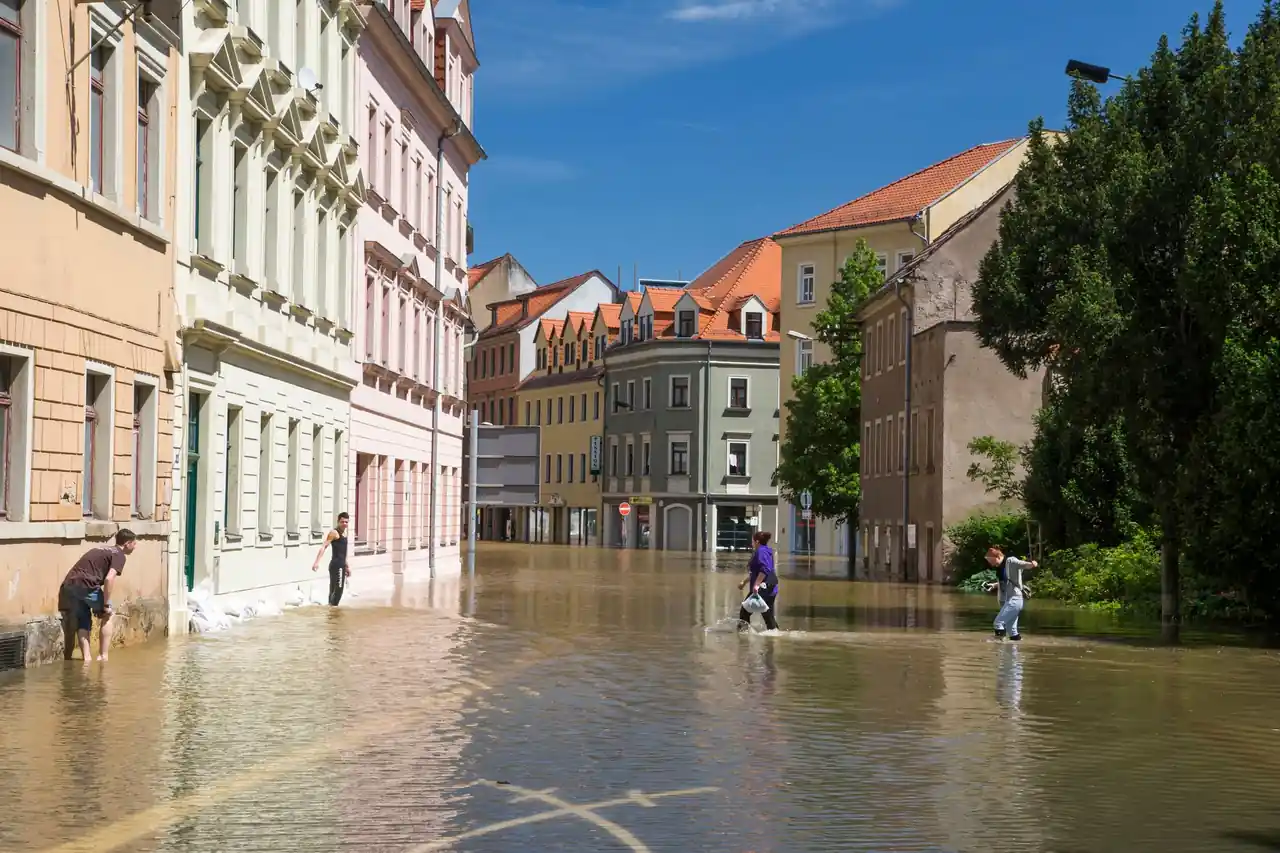
When a pipe bursts or a storm floods your basement, Structural Drying & Dehumidification Rocky Mount NC is the service that pulls hidden moisture out of floors, walls, and crawl spaces. We handle residential and commercial drying across Nash County. Our IICRC-certified technicians use truck-mounted extractors and commercial dehumidifiers to dry your property fast, before mold takes hold. Call us 24/7 for same-day emergency service.
Useful updates and clear arrival timing.
Review the approach and price before deciding.
Equipped vehicles and respectful cleanup.
Neighbors serving neighbors with follow-through.
Every structural drying job is different, but here's what you can expect when you hire us. We handle the full process from extraction to final moisture check. We also document everything for your insurance claim. Add-ons like mold remediation or carpet replacement are quoted separately if needed.
We use moisture meters, thermal imaging cameras, and hygrometers to find every wet area. We map the moisture and show you the scope. This step ensures we don't miss hidden water behind walls or under floors.
We remove standing water with truck-mounted extractors, portable units, and submersible pumps. For carpets, we use weighted extraction tools. We also remove saturated absorbent pads and debris. Extraction is the first step to fast drying.
We place air movers and commercial dehumidifiers strategically to dry the structure. We may use floor drying mats for hardwood and plastic sheeting for containment. Equipment runs 24/7 until moisture levels return to normal.
We check moisture readings every day and adjust equipment as needed. We track humidity levels and document progress. You get updates on how drying is going and when we expect to finish. This ensures your home dries completely.
We apply antimicrobial solution to affected framing, drywall, and subfloor. This stops mold and bacteria from growing during the drying process. It's a key step for any water damage, especially sewage backups or storm flooding.
When drying is complete, we provide a written report with moisture readings and photos. This report is useful for your insurance claim. We also walk you through what to watch for and how to prevent future water damage.
Share what is happening and receive a clear next step from the local team.
Structural drying is the controlled process of removing moisture from building materials like drywall, subfloor, hardwood, and framing after a water leak or flood. We use air movers, dehumidifiers, and moisture meters to pull water out of the structure itself, not just the surface. The goal is to return your home to its normal moisture content, usually between 12 and 15 percent for wood framing, before mold has a chance to grow. We follow the ANSI/IICRC S500 standard on every job.
Rocky Mount sees its share of water damage. Older homes near Downtown and Mill Village have original plumbing that can fail without warning. Summer storms push water through crawl spaces in Riverside and South Rocky Mount. Winter freezes crack pipes in West Haven and Englewood. When that happens, you need a dehumidification company Rocky Mount NC that can respond fast. We offer emergency structural drying near me Rocky Mount residents can count on, day or night.
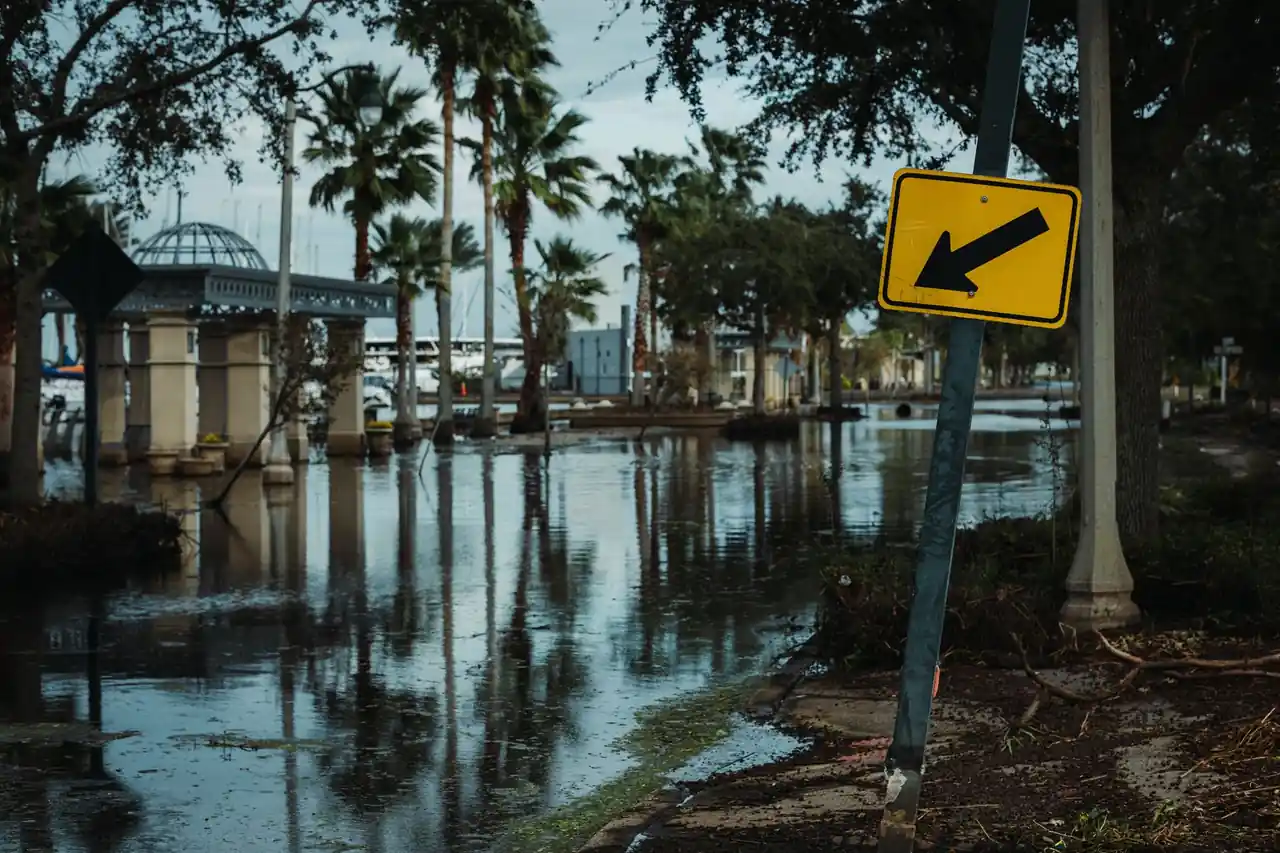
You call us at +1 (252) 385-6067. We ask what happened, where the water is, and how long it's been sitting. We dispatch a crew immediately, 24/7. Most calls in Rocky Mount get a technician on-site within 60 to 90 minutes. We bring extraction equipment and drying gear on the first trip.
We walk the property with a moisture meter, thermal imaging camera, and hygrometer. We map every wet area, including hidden spots behind walls and under floors. We also check humidity levels in each room. You get a clear picture of the scope before we start any work.
We remove standing water using truck-mounted water extractors, portable units, and submersible pumps for deep water. For carpet and pad, we use a weighted extraction tool to pull water from the backing. Extraction usually takes one to three hours depending on volume. We haul away any absorbent pads and debris.
We set up air movers, commercial dehumidifiers, and floor drying mats to dry the structure. We may also use plastic sheeting to contain moisture and desiccant dehumidifiers for tight spaces. Equipment runs 24/7 for three to five days on average. We monitor moisture daily and adjust equipment as needed.
We take final moisture readings and compare them to dry standard. When your wood framing reads 12 to 15 percent and humidity is normal, we remove the equipment. We provide a written drying report with photos for your insurance claim. Then we walk you through what to watch for next.

Powerful extraction for large volumes of standing water. It removes water from carpets, hardwood, and concrete quickly, reducing drying time.
Commercial-grade dehumidifier that pulls moisture from the air, helping wet materials release their water. We use these in basements, crawl spaces, and living areas.
High-velocity air movers that evaporate moisture from surfaces. We place them strategically to create airflow across walls, floors, and ceilings.
Detects hidden moisture behind walls, under floors, and in ceilings without tearing out materials. It helps us find water you can't see.
Measures moisture content in wood, drywall, and concrete. We use it to map wet areas and track drying progress daily.
Dries hardwood floors from the surface down without causing cupping. We use mats with air movers to pull moisture out of the wood.
Removes deep standing water from basements and crawl spaces. It's the first tool we use when water is more than an inch deep.
We follow this industry standard for water damage restoration. It guides how we classify water, inspect for moisture, and dry different materials. Following S500 ensures a thorough, documented dry-out.
We map moisture at the start and check it daily. We adjust equipment placement and run times based on readings. This method ensures we dry the structure completely, not just the surface.
For contaminated water or mold risk, we set up plastic sheeting to contain the area. We apply antimicrobial solution to affected materials. This method protects your health and stops mold growth.
For crawl spaces and tight areas, we use desiccant dehumidifiers. They pull moisture from the air using a chemical process, which works well in low temperatures. This method dries hard-to-reach spaces.
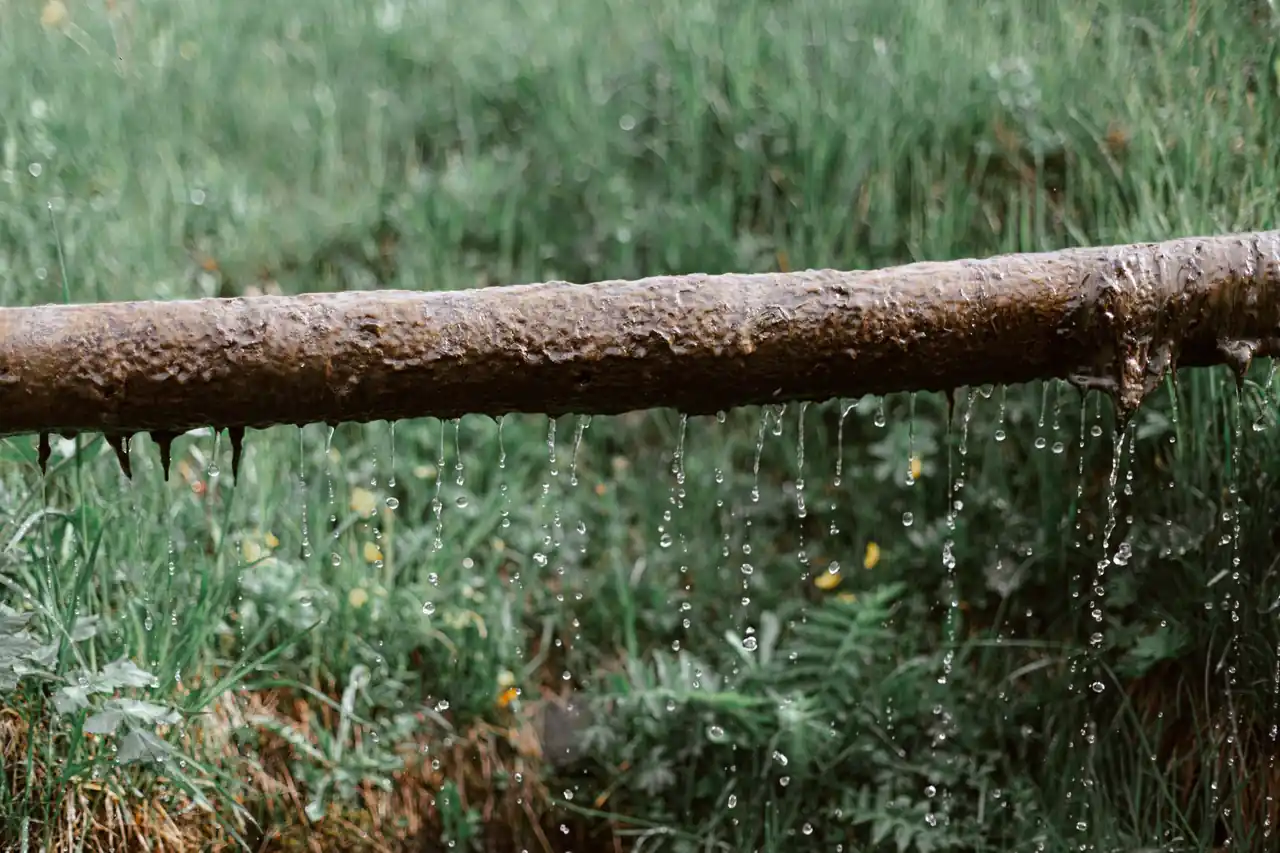
We arrive within 90 minutes, shut off the water, and extract standing water. We set up air movers and dehumidifiers to dry the cabinets, flooring, and subfloor. We monitor moisture daily until dry. Your kitchen is dry in three days. No mold, no warped cabinets, and your insurance claim is documented.
We pump out the water with submersible pumps, extract from concrete and framing, and set up desiccant dehumidifiers. We also check for cracks and recommend a sump pump backup. Your basement is dry in four days. Stored items are saved, and you have a plan to prevent future flooding.
We extract water from the carpet and pad, remove saturated pad, and dry the subfloor with air movers and dehumidifiers. We apply antimicrobial solution to prevent mold. The unit is dry in two days. The tenant moves back in, and you avoid a mold claim.
We use thermal cameras to find hidden moisture, extract water from insulation and framing, and dry the attic and ceiling with air movers and dehumidifiers. We also repair the leak source. Your attic and ceiling are dry in five days. No mold growth, and the repair is documented for insurance.
Rocky Mount's climate and housing stock shape how we approach structural drying. Summers are humid, which slows drying and increases mold risk. Winters bring freezing nights that burst pipes in older homes. Many houses in Downtown Rocky Mount and Mill Village have crawl space foundations and original plumbing. We adjust our drying strategy for these conditions. For example, we use desiccant dehumidifiers in crawl spaces because they work better in cool, damp environments. We also know which neighborhoods flood first, like Riverside and South Rocky Mount near the Tar River. If you need emergency dehumidification Rocky Mount, we're ready. We also follow North Carolina building codes and ANSI/IICRC S500 standards on every job. Our local experience means we dry your home faster and prevent problems before they start.
Older homes with crawl spaces and original plumbing. We often find hidden moisture in wall cavities after pipe leaks.
Close to the Tar River, this area floods during heavy storms. We see crawl space water intrusion and basement flooding here often.
Mix of older and newer homes. Freezing pipes in winter are a common call. We recommend pipe insulation for vulnerable lines.
Slab-on-grade homes where water can seep under flooring. We use thermal cameras to find hidden moisture in these properties.
Humidity slows drying and increases mold risk. We run dehumidifiers longer and monitor moisture more frequently to compensate.
Freezing pipes burst and cause sudden water damage. We respond 24/7 and prioritize these emergency calls to prevent extensive damage.
Storm water can flood basements and crawl spaces quickly. We stock extra pumps and dehumidifiers during storm season to handle the surge.
Crawl spaces trap moisture and are hard to dry. We use desiccant dehumidifiers and moisture barriers to dry them completely.
A pipe burst under the kitchen sink at 2 a.m., sending water across the hardwood floor and into the cabinets. The homeowner called us immediately. Water had been sitting for about an hour.
We extracted 15 gallons of water, set up 6 air movers and 2 dehumidifiers, and dried the kitchen in three days. Moisture readings returned to normal (12% in wood). The hardwood floor did not cup or buckle.
Maintenance: We recommended insulating exposed pipes and installing a water leak sensor under the sink. The homeowner also scheduled an annual plumbing inspection.
A summer storm dumped three inches of rain, and the basement flooded with two inches of water. The homeowner had stored boxes and furniture down there. Water had been standing for six hours.
We pumped out the water, extracted from the concrete floor, and set up a desiccant dehumidifier. Drying took four days. We saved most of the stored items and prevented mold growth. Moisture levels returned to normal.
Maintenance: We recommended installing a sump pump with a battery backup and sealing foundation cracks. The homeowner also raised stored items off the floor.
A slow plumbing leak soaked the crawl space insulation and framing. The homeowner noticed a musty smell and high humidity inside the house. The crawl space had been wet for weeks.
We removed wet insulation, extracted water from the soil and framing, and installed a desiccant dehumidifier. Drying took five days. We also laid a moisture barrier. The musty smell disappeared, and humidity dropped from 85% to 50%.
Maintenance: We recommended annual crawl space inspections and keeping gutters clean to divert water away from the foundation.
From burst pipes to flooded basements, we've seen it all. Here are the most common water problems we solve for Rocky Mount homeowners and how we fix them.
Standing water soaks cabinets, flooring, and drywall within hours. Mold can start growing in 24 to 48 hours. If ignored, the subfloor and framing can rot, leading to costly structural repairs. We shut off the water, extract standing water with truck-mounted extractors, and dry the structure with air movers and dehumidifiers. We also check for hidden moisture behind cabinets and under floors. Most burst pipe jobs dry in three to four days.
Basement flooding can ruin stored items, damage the foundation, and create a damp environment that invites mold. Water can seep into concrete and stay trapped for weeks if not dried properly. We pump out standing water with submersible pumps, extract from concrete and framing, and set up desiccant dehumidifiers to dry the space. We also check for cracks and recommend drainage solutions. Drying typically takes four to six days.
A wet crawl space raises humidity in your entire home, causing musty odors, warped floors, and higher energy bills. It also creates ideal conditions for mold and wood rot. We remove standing water, extract from the soil and framing, and install a desiccant dehumidifier to dry the space. We also lay moisture barriers to prevent future intrusion. Most crawl spaces dry in three to five days.
Water from a roof leak can travel down inside walls, soaking insulation and framing without visible signs. By the time you notice a stain, mold may already be growing behind the drywall. We use thermal imaging cameras to find hidden moisture, then drill small holes to extract water and inject drying air. We dry the wall cavity completely and apply antimicrobial solution. We also repair the roof leak source.
$1,200 - $3,500 depending on scope
We know cost is a concern, so we're upfront about pricing. Most residential structural drying jobs in Rocky Mount range from $1,200 to $3,500 in 2026. The final price depends on square footage, water category, and how long the moisture has been sitting. We provide a written estimate before we start, and we bill insurance directly. Our pricing is competitive, and we never charge for hidden fees. If you're comparing dehumidification company Rocky Mount NC options, ask for a detailed estimate.
Professional drying prevents mold, rot, and structural damage that can cost tens of thousands to fix. Our pricing reflects the equipment, expertise, and documentation required to dry your home correctly the first time.
The larger the area, the more equipment and time required. A single room might cost $800 to $1,200, while a whole-house dry-out can run $3,500 or more.
Clean water (category 1) is cheaper to dry than contaminated water (category 2 or 3). Sewage backups require antimicrobial treatment and disposal, which adds cost.
Water that has been sitting for days or weeks can soak deeper into materials. Longer drying times mean more equipment rental and labor, increasing the total cost.
Hardwood, drywall, and carpet each dry differently. Hardwood may require floor drying mats, while carpet may need replacement. These material-specific methods affect price.
Most homeowner policies cover sudden water damage. We bill directly to your insurance, so you may only pay your deductible. We document everything to support your claim.
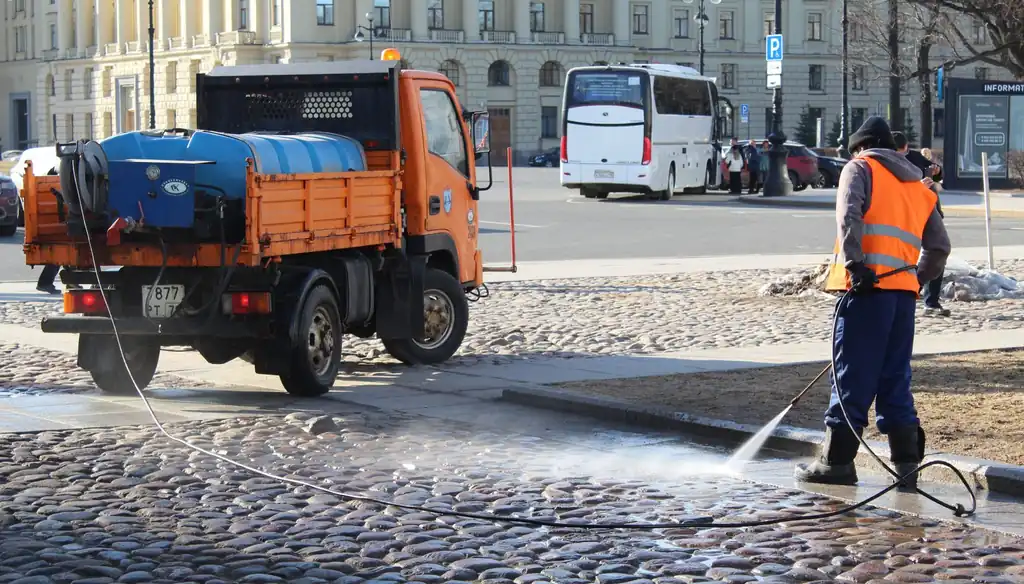
Our team holds IICRC WRT (Water Restoration Technician) and IICRC ASD (Applied Structural Drying) certifications. We've dried hundreds of homes and businesses across Nash County, from flooded basements in Englewood to burst pipes in Five Points. We know how Rocky Mount homes are built, from older crawl space foundations to newer slab-on-grade construction. That local experience means we find hidden moisture faster and dry it right the first time.
A pipe burst under our kitchen sink at 2 a.m. Water Recovery Network arrived in about an hour. They extracted the water, set up dehumidifiers and air movers, and checked moisture every day. Our hardwood floors dried without cupping. They also handled the insurance paperwork. I can't recommend them enough.
We manage several rental properties in Downtown Rocky Mount. When a tenant's toilet overflowed, Water Recovery Network dried the unit in three days. They were professional, on time, and kept us updated. The moisture readings were documented for our records. We use them for all our water issues now.
After a storm, our crawl space was full of water. The crew pumped it out and set up a desiccant dehumidifier. They also installed a moisture barrier to prevent future problems. The price was fair, and they explained everything. Our crawl space is dry and smells clean now.
Most residential drying jobs in Rocky Mount run between $1,200 and $3,500, depending on square footage, water category, and how long the moisture has been sitting. A single-room dry-out with minimal water might cost $800 to $1,200. A flooded basement with contaminated water will cost more. We provide a written estimate before we start, and we bill insurance directly.
Most structural drying jobs take three to five days. Light water damage in one room can dry in two to three days. A flooded basement or crawl space with saturated framing might take five to seven days. We monitor moisture daily and adjust equipment. You'll know exactly how long your job will take after our initial inspection.
Structural drying is the overall process of removing moisture from building materials like drywall, wood, and concrete. Dehumidification is one part of that process. It removes moisture from the air so wet materials can release their water. We use both together: air movers evaporate moisture from surfaces, and dehumidifiers pull that moisture out of the air. You need both to dry a structure properly.
Water Recovery Network offers 24/7 emergency structural drying in Rocky Mount and across Nash County. Call +1 (252) 385-6067 any time, day or night. We dispatch a crew immediately and typically arrive within 60 to 90 minutes. We handle everything from water extraction to final moisture checks. We also work with your insurance company to document the loss.
Not seeing your question? Our local team can help you understand urgency, scheduling and what to expect.
Ask the local team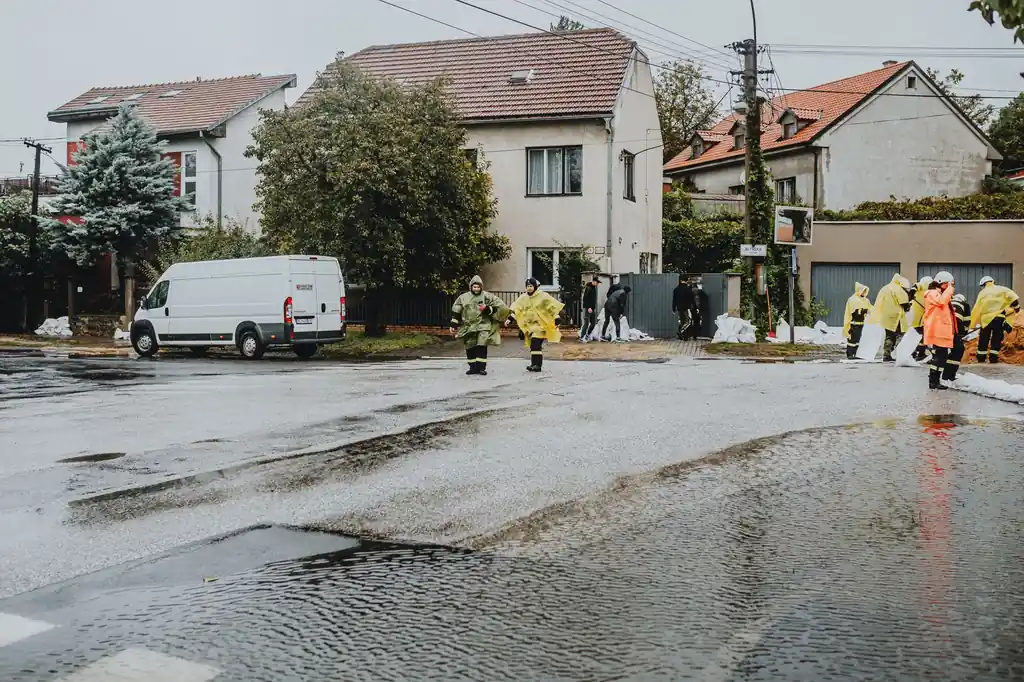
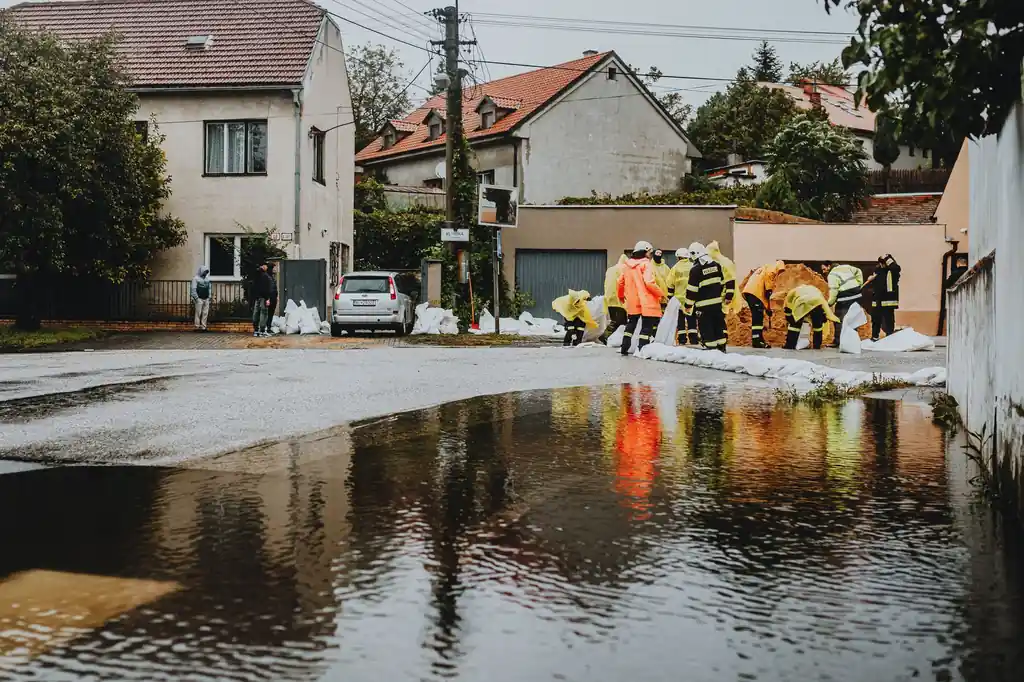
Before we can dry your structure, we have to remove the standing water. Our emergency water extraction service uses truck-mounted extractors and submersible pumps to pull water out fast. That's step one in any structural drying job in Rocky Mount.
View service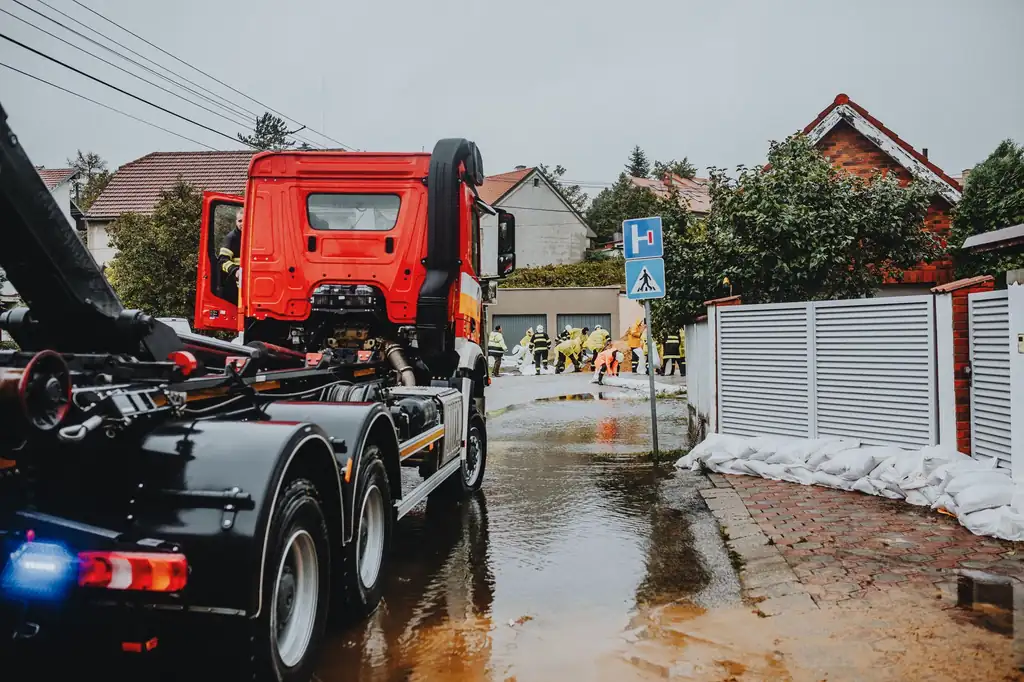
Structural drying is the core of water damage restoration. When you call us 24/7, we handle extraction, drying, dehumidification, and cleanup. We restore your home to pre-loss condition and document everything for your insurance claim.
View service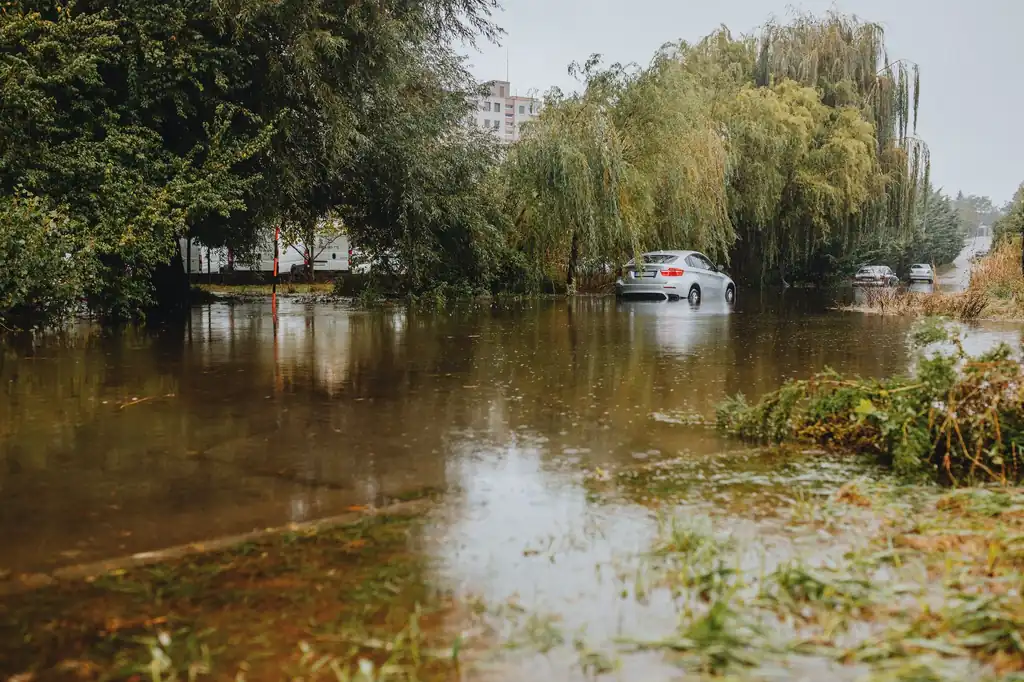
A flooded basement in Rocky Mount needs fast water removal before structural drying can begin. We pump out standing water, extract from concrete and framing, then set up dehumidifiers and air movers to dry the space completely.
View service
When water is actively flowing, every minute counts. Our emergency water removal crews stop the source, extract the water, and start structural drying immediately. We serve all of Rocky Mount and Nash County 24/7.
View service
Our line is answered 24/7, and we dispatch crews day and night across Rocky Mount and Nash County. Call and we will ask a few questions about the source and the rooms affected, then give you a real arrival window. If you are not sure whether you need extraction, call anyway - we will tell you straight.