How to dry out a wet crawl space after a storm in Riverside
Storm water in your Riverside crawl space needs to be out and dried within 24 to 48 hours. Here is the exact order of operations, plus when to call a pro.
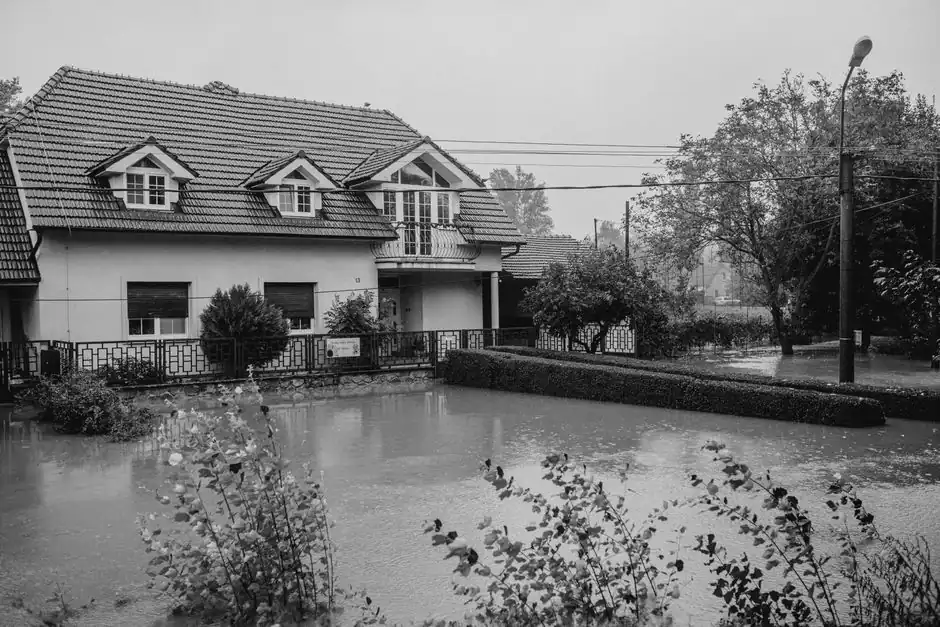
How to dry out a wet crawl space after a storm in Riverside comes down to three moves in this order: get the standing water out, force air and heat through the space until the wood reads dry on a meter, and stop the next storm from getting back in. Do those three things inside 24 to 48 hours and you usually save the joists, the subfloor, and the insulation. Miss that window and you are looking at mold, sagging floors, and a repair bill that runs into the thousands. This guide walks through the exact sequence we use on crawl space water removal calls across Rocky Mount and the Riverside area, what it costs in 2026, and the mistakes that turn a two-day job into a two-month one.
Why storm water ends up in a Riverside crawl space
Riverside sits low along the Tar River, and that geography decides where storm water goes. When a system drops two or three inches in a few hours, the ground is already saturated from the week before, so the water has nowhere to go but sideways and down. It finds the path of least resistance, and on most homes that path ends under the house.
There are four entry points we see over and over on crawl space flooding calls in Riverside:
- Poor grading. Soil that slopes back toward the foundation instead of away from it. A half-inch of fall across ten feet is the minimum, and a lot of older lots here do not have it.
- Clogged or buried foundation drains. The drain tile around the footing fills with silt and pine straw, then backs up during the first heavy band of rain.
- Failed vapor barrier. A torn or missing 6-mil poly liner lets groundwater wick straight up into the joists and insulation.
- Gutter discharge at the foundation. Downspouts that dump within two feet of the wall put hundreds of gallons right where you do not want them.
One more thing specific to this area: the soil here is heavy clay with a high water table in wet months. Clay does not drain. It holds. So a storm that would be a non-event on sandy ground becomes a standing-water event in a Riverside crawl space. If you want to know what a full-service response looks like when the water is already in, our team handles Emergency Water Extraction Rocky Mount NC calls around the clock, and crawl spaces are a big part of that work.
How do I dry out my wet crawl space after a storm in Riverside?
You dry out a wet crawl space after a storm in Riverside by removing the standing water first, then running high-volume air movers and a commercial dehumidifier until a moisture meter reads under 16% on the joists and subfloor. Do it in that order. Drying a space that still has an inch of water on the ground just moves moisture around.
Step 1: Kill the power and check for gas
Before you go under the house, shut off the breaker to any circuit that runs through the crawl space, and if you smell gas, get out and call the utility. Water and live wiring do not mix, and we have walked into spaces where a submerged junction box was still energized.
Step 2: Get the standing water out
A wet/dry shop vac handles puddles. It does not handle a crawl space with two inches of water across 900 square feet, which is roughly 1,100 gallons. For that you need a submersible pump or a truck-mounted extraction unit. Pump the bulk water to a discharge point at least 10 feet from the foundation so it does not run right back in.
If the water is more than a puddle, this is the point where most homeowners call us. Our Crawl Space Water Removal Rocky Mount NC crews pull the bulk water with truck-mounted units, then move straight into drying the same visit.
Step 3: Remove soaked insulation and debris
Batt insulation that has been wet for more than 24 hours is done. It loses its R-value, it holds moisture against the wood, and it grows mold. Pull it, bag it, and plan to replace it. Same for cardboard, stored boxes, and any wood scraps the previous owner left down there.
Step 4: Set up airflow and dehumidification
This is where the job is won or lost. You want air moving across every wet surface and a dehumidifier pulling that moisture out of the air. For a typical 1,000-square-foot crawl space, that means three to four air movers and one commercial LGR dehumidifier rated for the cubic footage. A household dehumidifier will not keep up. It will run for a week and still leave the joists at 22%.
Run the equipment continuously. Not eight hours a day. Continuously. We see homeowners shut it off at night to save on the power bill, and that single habit adds two or three days to the dry time.
Step 5: Meter the wood, do not guess
Buy a pin-type moisture meter. They run $40 to $80 and they are the only way to know when you are actually done. Check the joists, the subfloor, and the sill plate. Dry standard for structural wood in this climate is 12% to 15%. Anything above 16% is still wet, even if it feels dry to the touch.
How long does it take to dry a crawl space in Riverside NC?
A crawl space in Riverside NC takes three to five days to dry with professional equipment, and five to ten days with homeowner-grade fans and a residential dehumidifier. The variables that move that number are how much water came in, how long it sat, and how much ventilation the space has.
Here is what actually drives the timeline:
- Water volume. A puddle dries in a day. Two inches across the whole footprint adds two to three days.
- Time before extraction. Water that sat 48 hours has already wicked into the joists and the subfloor, so you are drying structure, not just air.
- Outdoor humidity. In a wet October like this one, outdoor air is at 80% relative humidity. Pulling that air in makes things worse, not better. You need closed drying with a dehumidifier.
- Insulation. Wet batt insulation traps moisture against the wood and can double the dry time if it is not removed.
If you want the drying done in three days instead of ten, the equipment matters more than the effort. Our Structural Drying & Dehumidification Rocky Mount NC setup is sized to the cubic footage of the space, and we meter it daily until it hits dry standard.
Can a wet crawl space cause mold in Riverside?
Yes. A wet crawl space in Riverside can grow visible mold in as little as 24 to 48 hours, and the species that show up here are the ones that thrive in warm, humid, dark spaces. The conditions under a Riverside house in October are close to ideal for mold growth: 70 to 80 degrees, 80%+ relative humidity, no sunlight, and a steady food source in the wood framing.
The mold itself is only half the problem. The other half is the air. Your crawl space is connected to your living space through every gap around plumbing penetrations, ductwork, and the floor. Stack effect pulls that humid, spore-laden air up into the house. That is why homeowners call us about a musty smell in the living room and we find the source under the floor.
If you see white or black fuzz on the joists, or you smell that damp-basement smell, you are past the DIY stage. Mold remediation is a separate scope from drying, and it needs to happen after the structure is dry, not before.
Common mistakes we see after every storm
We have walked into hundreds of wet crawl spaces in this area, and the same five mistakes show up again and again. Any one of them can turn a three-day dry into a two-week tear-out.
- Opening the crawl space vents to "air it out." In a North Carolina October, that pulls 80% humidity air into a space you are trying to dry. Keep the vents closed and use mechanical dehumidification.
- Running a box fan and calling it done. Air movement without dehumidification just redistributes moisture. You need both.
- Leaving wet insulation in place. It holds water against the wood and grows mold. Pull it.
- Not checking the HVAC ductwork. If you have flex duct running through the crawl space and it got wet, you are now blowing crawl space air into every room in the house.
- Stopping when it feels dry. Wood that feels dry can still be at 20% moisture content. Meter it or you are guessing.
One more: do not run a shop vac on a crawl space that has a sewage component. If the storm backed up the municipal line or your septic, that water is Category 3 and it needs a different response. Our Sewage Backup Water Extraction Rocky Mount NC team handles those calls with the right PPE and disposal, and it is not a DIY job.
Wet crawl space solutions Riverside homeowners should plan for
Drying the space is the emergency. Keeping it dry is the plan. Once the structure is back to 12% to 15% moisture content, these are the fixes that stop the next storm from repeating the problem.
- Regrade the soil so it falls away from the foundation at a minimum of 6 inches over the first 10 feet.
- Extend downspouts at least 6 to 10 feet from the wall, and add splash blocks or buried discharge lines.
- Install or repair a 6-mil to 12-mil vapor barrier across the entire crawl space floor, sealed at the seams and up the foundation walls.
- Add a crawl space dehumidifier on a humidistat set to 50% relative humidity. This is the single highest-return upgrade for a Riverside home.
- Clear the foundation drain or install a sump pump with a battery backup if the space floods more than once a year.
Typical 2026 pricing in this area for a full encapsulation with a dehumidifier runs $4,500 to $9,000 depending on square footage and how much repair the joists need. A standalone dehumidifier install is $1,200 to $2,000. Storm-driven crawl space water removal and drying, as a one-time emergency service, usually lands between $1,800 and $4,500.
When to call a professional
Call a professional when the water is deeper than a puddle, when it has been sitting more than 24 hours, when you see or smell mold, or when the water came in through a sewage line. Those four conditions put the job past what a shop vac and a box fan can fix.
We handle crawl space water removal across Rocky Mount and the surrounding communities, and we bring the extraction units, the air movers, the LGR dehumidifiers, and the moisture meters on the first visit. You get a clear price before we start, and we meter the wood daily until it is dry. If you are in the Riverside area and your crawl space took on water from this latest system, our emergency water removal Rocky Mount line is answered 24 hours a day.
Frequently Asked Questions
How do I dry out my wet crawl space after a storm in Riverside?
Pump or extract the standing water first, remove any soaked insulation, then run three to four air movers and a commercial LGR dehumidifier continuously until a moisture meter reads 12% to 15% on the joists and subfloor. That usually takes three to five days. Do not open the crawl space vents during a humid North Carolina fall.
How long does it take to dry a crawl space in Riverside NC?
Three to five days with professional equipment, five to ten days with homeowner-grade fans and a residential dehumidifier. Water that sat more than 48 hours, or a space with wet batt insulation still in place, pushes toward the longer end of both ranges.
Can a wet crawl space cause mold in Riverside?
Yes. Mold can start growing on wet crawl space framing in 24 to 48 hours. Riverside's warm, humid fall conditions and the dark, still air under the house are close to ideal for it. If you see fuzz on the joists or smell a musty odor upstairs, get the space dried and then assessed for mold.
Who offers crawl space water removal in Riverside NC?
Water Recovery Network provides crawl space water removal in Riverside and across Rocky Mount, with truck-mounted extraction, commercial dehumidification, and daily moisture readings. We answer calls 24 hours a day and can usually be on site the same day a storm passes.
Does homeowners insurance cover crawl space flooding after a storm?
It depends on the source. Water that entered from a storm-driven opening, a failed sump pump, or a burst pipe is often covered. Rising groundwater and surface flooding usually require a separate flood policy. Photograph everything before you move it and call your adjuster the same day.
Get help with Emergency Water Extraction in Rocky Mount
If your crawl space is holding water right now, every hour you wait is another hour of wicking into the joists and subfloor. We can have extraction equipment on site and start drying today.
Call Water Recovery Network at +1 (252) 385-6067 for crawl space water removal and structural drying across Rocky Mount and Riverside.